

Introduction to Pulverized Coal Pneumatic Conveying: Structural Design and Operational Principles
For industrial applications, the efficient and reliable transport of pulverized coal is crucial. This overview focuses on the structural design and operational principles of pneumatic conveying systems specifically tailored for coal powder. The following sections will explore the key components, working mechanisms, and practical considerations that define modern coal pneumatic conveying solutions.
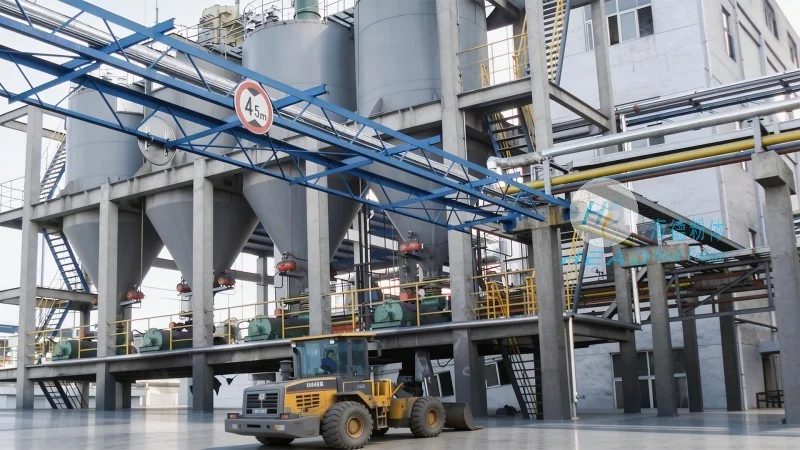
Key Components of Pulverized Coal Pneumatic Conveying Systems
The core of a coal pneumatic conveying system consists of several essential components that work in tandem to ensure effective material transport. These include the coal feeder, which accurately meters the coal powder into the system; the conveying pipeline, which may feature different diameters and bends to accommodate the path of the material; the air compressor or blower, responsible for generating the necessary airflow to move the coal particles; and the control valves and filters that regulate and clean the air stream. Each component is engineered to handle the specific properties of coal powder, such as its fine particle size and potential moisture content, ensuring optimal performance and minimal system downtime.
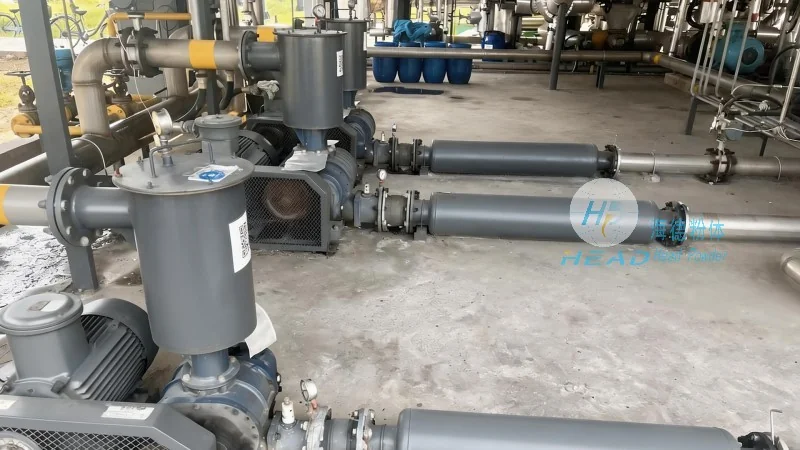
Working Principles of Pneumatic Conveying for Coal Powder
Pneumatic conveying operates on the principle of using air to transport solid particles. In the case of coal powder, the system typically employs a positive pressure or negative pressure (or a combination of both) approach. The positive pressure system forces air and coal particles through the pipeline, while the negative pressure system draws the material into the pipeline using a vacuum. The choice of system depends on factors like the distance to be covered, the volume of material, and the required system pressure. The coal powder is suspended in the air stream by the airflow velocity, which must exceed the settling velocity of the particles to prevent deposition and blockages. This suspension allows for smooth and continuous transport, making it suitable for long-distance and high-volume applications.
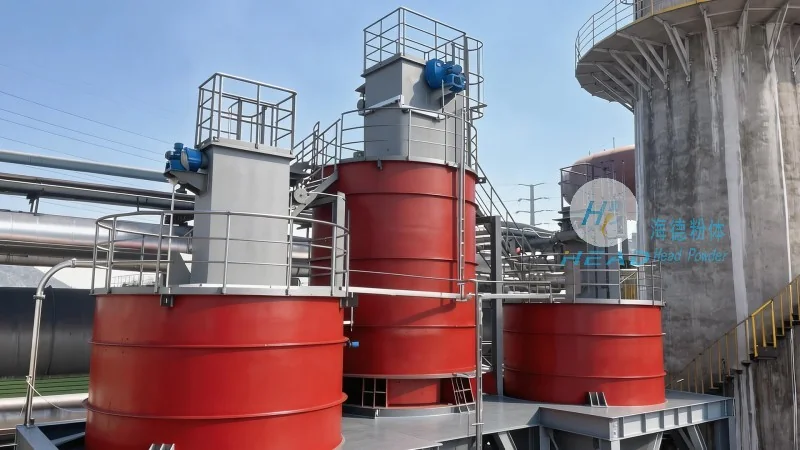
Structural Design Considerations for Coal Pneumatic Conveying
The structural design of coal pneumatic conveying systems is critical to their efficiency and longevity. The pipeline material is often selected from materials resistant to corrosion and abrasion, such as stainless steel or high-grade carbon steel, to withstand the abrasive nature of coal particles over extended periods. Bends and elbows are carefully designed with smooth transitions to minimize pressure losses and prevent particle accumulation. The system also incorporates check valves and airlocks to prevent backflow and ensure unidirectional material movement. Additionally, the integration of dust collection and filtration systems is essential to maintain air quality and comply with environmental regulations. These design elements collectively contribute to a robust and reliable system capable of handling the demands of coal powder transport in industrial settings.
Applications and Benefits of Pulverized Coal Pneumatic Conveying
Pulverized coal pneumatic conveying is widely used in various industrial sectors, including power generation, cement production, and chemical processing. The primary benefits of this technology include reduced labor costs due to automated material handling, minimized material loss and contamination, and improved safety by eliminating manual handling of coal powder. The system also offers flexibility in terms of layout and can be adapted to different plant configurations. Furthermore, the ability to transport coal powder over long distances without the need for intermediate storage or handling points enhances operational efficiency. These advantages make coal pneumatic conveying an attractive solution for modern industrial facilities seeking to optimize their material transport processes.
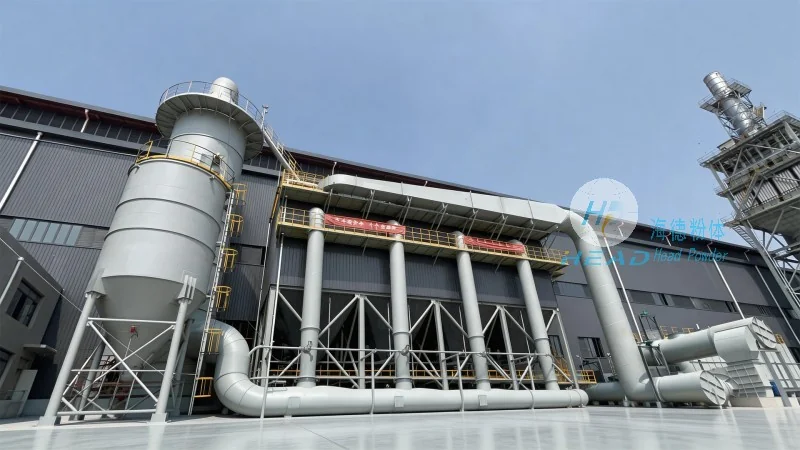
Conclusion and Company Overview
Efficient coal powder transport is essential for the smooth operation of industrial facilities, and pneumatic conveying systems offer a reliable and effective solution. The structural design and operational principles discussed here highlight the importance of each component in ensuring optimal performance. As a leading provider in the field, Shandong HeadPowder Engineering Co., Ltd. specializes in the design, manufacturing, and installation of advanced coal pneumatic conveying systems. With a focus on quality and innovation, the company delivers solutions tailored to the specific needs of its clients, ensuring long-term reliability and operational efficiency. Based in Shandong, China, HeadPowder Engineering continues to advance the technology of coal powder transport, supporting the energy and industrial sectors with cutting-edge solutions.