

Introduction to Micropowder Pneumatic Conveying: Structure and Principle Explanation
Micropowder pneumatic conveying is a specialized technology used for the transport of fine powders and granular materials through a pipeline using air or other gas as the conveying medium. This method is widely adopted in various industrial sectors due to its efficiency, flexibility, and ability to handle materials that are difficult to transport via traditional methods. The system operates by creating a pressure differential or using vacuum to move the material along the pipeline, ensuring a clean and dust-free process. As a key component in material handling, micropowder pneumatic conveying systems are designed to maintain material integrity and minimize product degradation during transport.
About Shandong HeadPowder Engineering Co., Ltd.
Shandong HeadPowder Engineering Co., Ltd., commonly known as headpowder, is a leading manufacturer and supplier of advanced pneumatic conveying solutions. With a strong presence in the industry, the company specializes in developing and implementing customized micropowder conveying systems tailored to the specific needs of clients. Headquartered in Shandong, China, the company leverages its expertise in engineering and material science to deliver high-quality, reliable equipment that meets international standards. The company's commitment to innovation and customer satisfaction has established it as a trusted partner for businesses seeking efficient and effective material handling solutions.
Structural Components and Working Principle
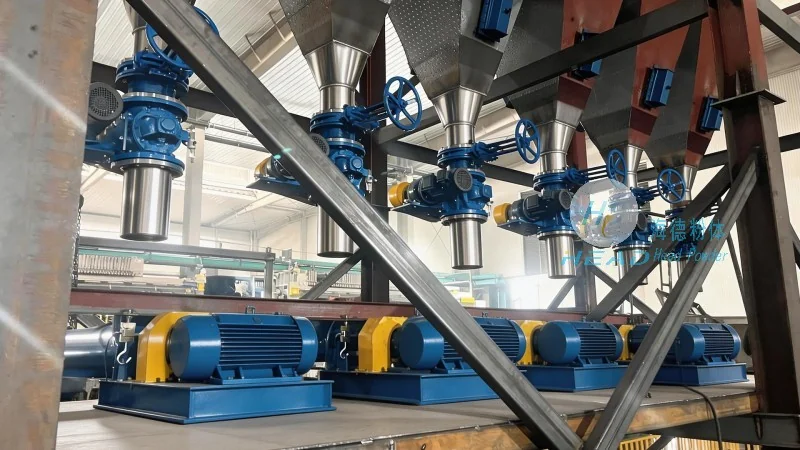
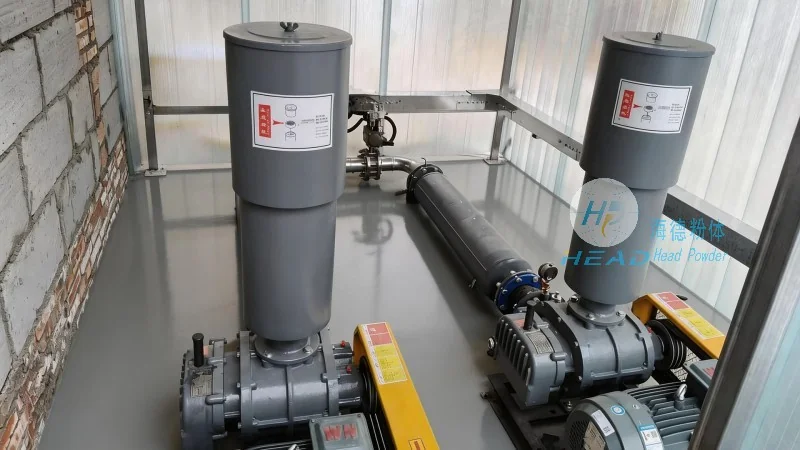
The core structure of a micropowder pneumatic conveying system typically includes several key components: a hopper for material storage, a feeder to control the flow rate, a conveying line (pipeline) for material transport, and a receiver for material discharge. The system may also incorporate additional elements such as filters, cyclones, and vacuum or pressure generators to optimize performance. The working principle revolves around the interaction between the material and the conveying medium. In pressure systems, compressed air is introduced into the hopper, creating a pressure that forces the material into the pipeline. In vacuum systems, a vacuum is created at the receiver end, drawing the material from the hopper through the pipeline. The design of the system ensures that the material is transported smoothly without clogging or degradation, maintaining the quality of the product throughout the process.
Key Features and Advantages
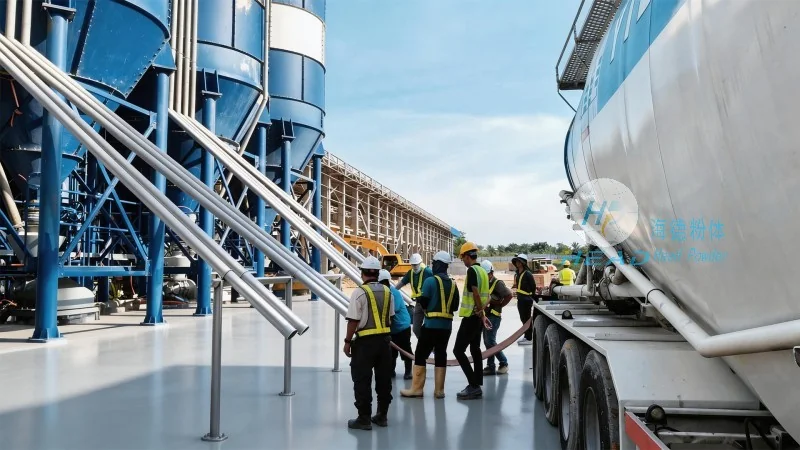
Micropowder pneumatic conveying systems offer several advantages over traditional transport methods. These include the ability to handle fine powders that are prone to caking or agglomeration, the elimination of manual handling, and the reduction of dust exposure for operators. The systems are also flexible, allowing for changes in material flow rates and pipeline configurations without significant modifications. Additionally, the enclosed nature of the system ensures environmental compliance and product safety, making it suitable for applications in pharmaceuticals, food processing, and chemical industries. The efficiency of the system in terms of energy consumption and material throughput further enhances its appeal to businesses looking to optimize their operations.
Applications in Industrial Settings
The versatility of micropowder pneumatic conveying makes it applicable across a wide range of industries. In the pharmaceutical sector, it is used for the transport of active pharmaceutical ingredients (APIs) and excipients, ensuring that the materials remain sterile and free from contamination. In the food industry, the system is employed for handling powdered ingredients like sugar, flour, and spices, maintaining product quality and preventing cross-contamination. The chemical industry utilizes micropowder conveying for the transport of catalysts, pigments, and other fine chemicals, where precision and material integrity are critical. Other applications include the handling of minerals, ceramics, and agricultural products, where the system's ability to handle abrasive and sensitive materials is advantageous. The adaptability of the system to different material types and process requirements makes it a preferred choice for industrial material handling.
Customization and Service Support
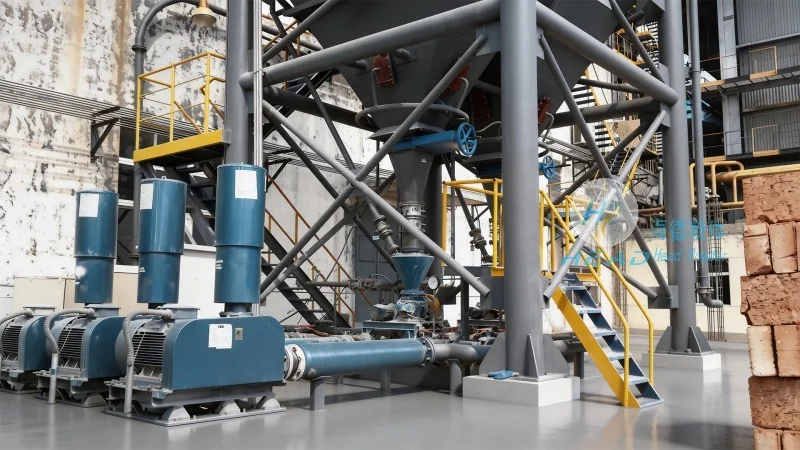
Shandong HeadPowder Engineering Co., Ltd. provides comprehensive customization services to meet the unique requirements of each client. The company works closely with customers to understand their specific material handling challenges and design a system that optimizes performance and efficiency. From initial consultation and system design to installation and maintenance, headpowder offers end-to-end support to ensure the successful implementation of the conveying system. The company's team of experienced engineers and technicians is equipped with the latest technology and knowledge to address any technical issues and provide timely solutions. This comprehensive service approach ensures that clients receive not only high-quality equipment but also reliable support throughout the lifecycle of the system.
Conclusion
Micropowder pneumatic conveying systems represent a sophisticated solution for the efficient and safe transport of fine powders and granular materials. With its ability to handle challenging materials and maintain product integrity, the technology is increasingly adopted across various industrial sectors. Shandong HeadPowder Engineering Co., Ltd. stands as a leading provider of these systems, leveraging its expertise and commitment to deliver customized solutions that meet the evolving needs of the industry. By focusing on innovation, quality, and customer satisfaction, the company continues to play a vital role in advancing material handling technologies and supporting the growth of its clients' businesses.