

[Powder Pneumatic Conveying: An Overview of Structure and Working Principles]
HeadPowder, a leading enterprise in the field of powder handling technology, specializes in the design, manufacturing, and application of pneumatic conveying systems. This article provides a comprehensive introduction to the structure and working principles of powder pneumatic conveying, highlighting the key components and operational mechanisms that enable efficient material transport in industrial settings.
Understanding Powder Pneumatic Conveying Systems
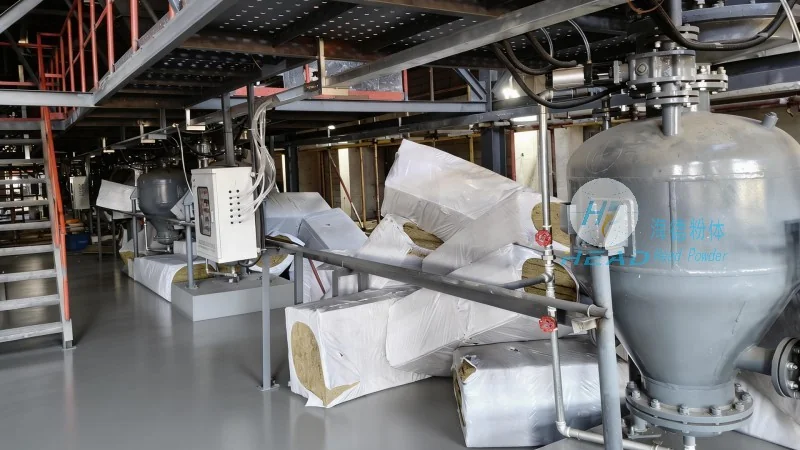
Powder pneumatic conveying is a method of transporting bulk solid materials, such as powders, granules, and fine particles, using a gas stream, typically air or other gases. This technology offers a flexible and efficient solution for moving materials over short to medium distances, often in industries like pharmaceuticals, food processing, chemical manufacturing, and mining. The system's design is tailored to handle various material characteristics, ensuring reliable and low-maintenance operation.
Core Components of a Powder Pneumatic Conveying System
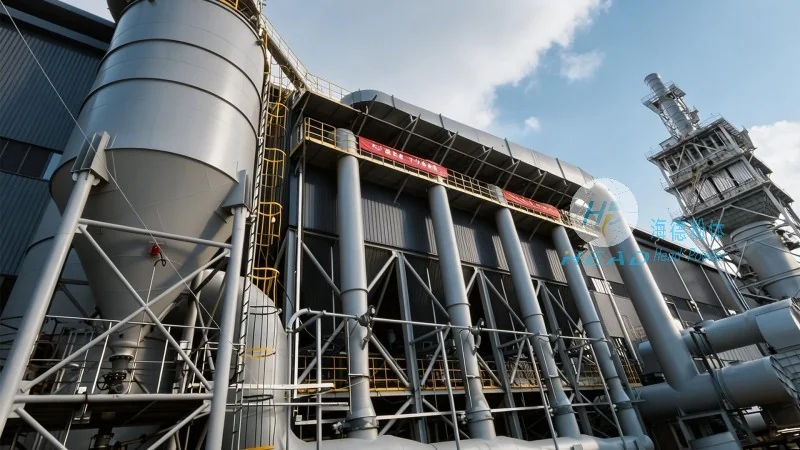
The fundamental structure of a powder pneumatic conveying system comprises several critical components that work in tandem to achieve material transport. These components include the material feed system, the conveying line, the air supply system, and the control mechanisms. Each component plays a vital role in ensuring the system operates smoothly and efficiently.
Material Feed System
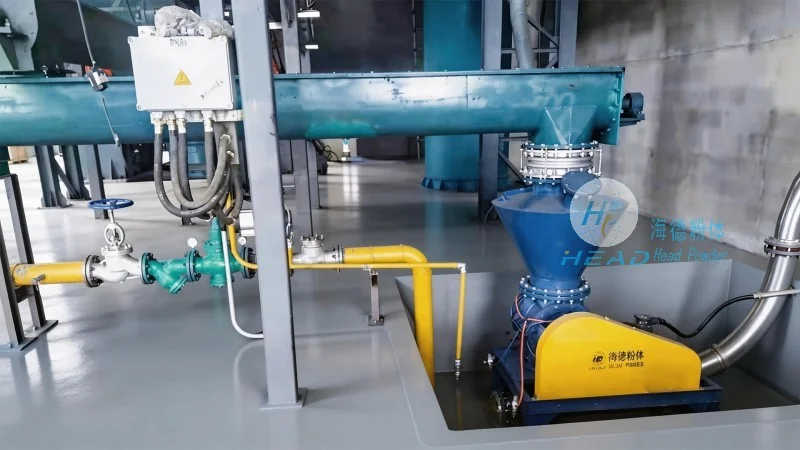
The material feed system is responsible for introducing the powder into the conveying line. It typically consists of a hopper or a feeder that can handle different powder types and flow rates. The design of the feeder, such as a rotary valve or a screw feeder, is crucial as it determines the uniformity of material discharge and prevents blockages. For HeadPowder's systems, the feed mechanism is engineered to maintain consistent material flow, minimizing variations that could affect the conveying efficiency.
Conveying Line and Air Supply
The conveying line is the central part of the system where the powder is transported. It is usually a pipe or a duct through which the air and powder mixture travels. The air supply system provides the necessary pressure and volume of gas to move the material. The pressure can be categorized as low-pressure, medium-pressure, or high-pressure systems, each with its own advantages and applications. For instance, low-pressure systems are suitable for short distances and low material loads, while high-pressure systems are used for longer distances and higher material capacities.
Control and Separation Systems
Control mechanisms are essential for regulating the operation of the pneumatic conveying system. These include pressure regulators, flow meters, and control valves that monitor and adjust the air pressure and material flow. Additionally, separation systems are integrated to separate the powder from the air at the discharge end. This is typically achieved through cyclones or filters, which ensure that the material is collected efficiently and the air is cleaned before being released back into the environment. HeadPowder's systems incorporate advanced control technologies to optimize performance and reduce energy consumption.
Working Principles of Powder Pneumatic Conveying
The working principle of a powder pneumatic conveying system involves the creation of a gas-solid mixture. The powder is introduced into the conveying line, and the air is supplied at a pressure higher than the ambient pressure. The air flows through the line, carrying the powder particles along with it. The velocity of the air is critical; it must be sufficient to overcome the gravitational force and the frictional resistance of the powder particles. The system operates based on the principle of fluidization, where the powder behaves like a fluid under the influence of the gas stream. This allows for smooth and continuous transport of the material.
Advantages of Powder Pneumatic Conveying
Powder pneumatic conveying offers several advantages over traditional mechanical conveying methods. It eliminates the need for moving parts in the conveying line, reducing maintenance costs and the risk of material contamination. The system is also flexible, allowing for changes in the conveying route or material type without major modifications. Furthermore, it can handle materials that are difficult to transport mechanically, such as abrasive or corrosive powders. HeadPowder's expertise in designing customized pneumatic conveying systems ensures that clients can benefit from these advantages tailored to their specific operational needs.
Applications in Industrial Settings
The versatility of powder pneumatic conveying makes it suitable for a wide range of industrial applications. In the pharmaceutical industry, it is used for transporting active pharmaceutical ingredients (APIs) and excipients, ensuring high-purity and contamination-free handling. In food processing, it is employed for conveying powders like flour, sugar, and spices, maintaining product quality and hygiene. The chemical manufacturing sector utilizes it for transporting raw materials and intermediates, while the mining industry uses it for transporting ore powders and tailings. HeadPowder's systems have been successfully implemented in these industries, demonstrating their reliability and efficiency in various challenging environments.
Customization and Engineering Solutions by HeadPowder
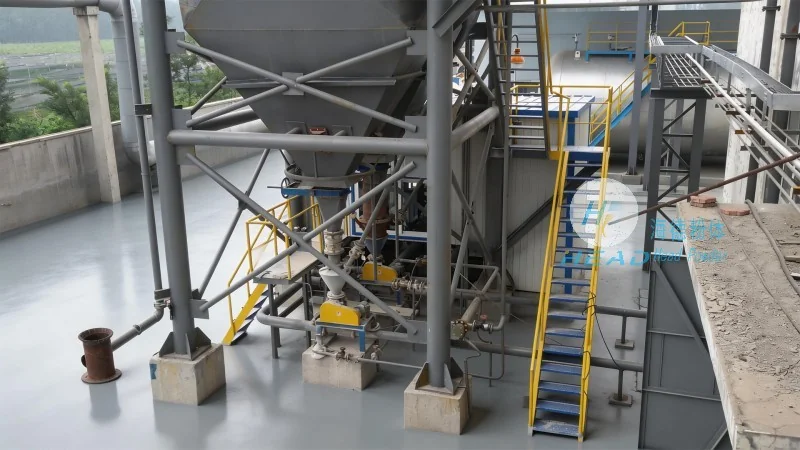
HeadPowder Engineering Co., Ltd., based in Shandong, China, specializes in providing tailored pneumatic conveying solutions to meet the diverse needs of its clients. The company's engineering team works closely with clients to understand their specific requirements, such as material characteristics, conveying distances, and operational conditions. Based on this understanding, HeadPowder designs and manufactures customized systems that optimize performance, reduce energy consumption, and ensure long-term reliability. The company's commitment to quality and innovation has made it a trusted partner in the industry, delivering solutions that enhance operational efficiency and product quality.
Conclusion
Powder pneumatic conveying is a sophisticated and efficient technology for transporting bulk solid materials. Its structure and working principles are designed to handle various material types and operational conditions, offering significant advantages over traditional conveying methods. HeadPowder Engineering Co., Ltd. continues to lead in the development and application of advanced pneumatic conveying systems, providing customized solutions that meet the evolving needs of industries worldwide. By leveraging its expertise and innovative approach, HeadPowder ensures that clients can achieve optimal material handling performance and operational efficiency.