

Introduction to Fracturing Sand Pneumatic Conveying and Structural Principles
HeadPowder, a professional manufacturer specializing in pneumatic conveying systems, provides efficient solutions for transporting frac sand. This article introduces the fundamental concepts and structural principles of pneumatic conveying, focusing on the technical aspects that enable reliable material transport in oilfield applications.
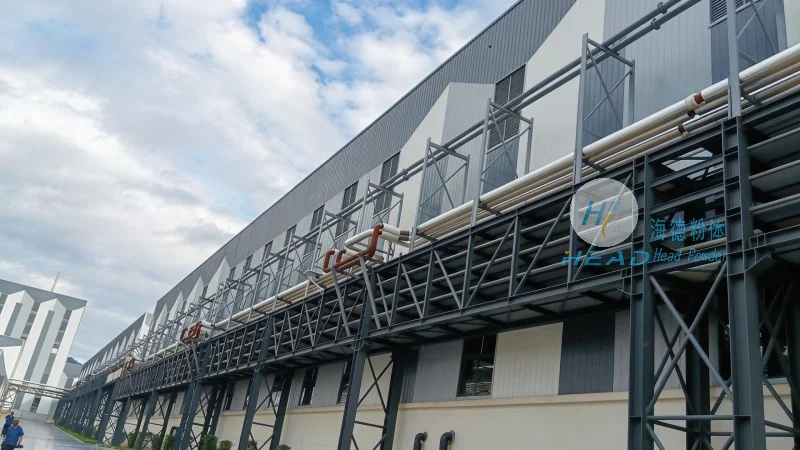
Company Overview: Shandong HeadPowder Engineering Co., Ltd.
HeadPowder, operating under Shandong HeadPowder Engineering Co., Ltd., is dedicated to delivering high-quality pneumatic conveying equipment tailored for the fracturing sand sector. Based in Shandong, China, the company leverages advanced engineering and expertise to develop systems that enhance operational efficiency and safety in hydraulic fracturing operations.
Pneumatic Conveying of Fracturing Sand: Core Concepts
Fracturing sand pneumatic conveying involves transporting proppant (typically sand) from storage to the wellbore using a pressurized air or gas stream. This method is critical for hydraulic fracturing, as it ensures precise and controlled delivery of proppant. The process relies on a hopper to feed material, a conveying line to transport it, and a receiver to collect it at the destination. These components work together to maintain consistent material flow and pressure, which are essential for optimal fracturing performance.
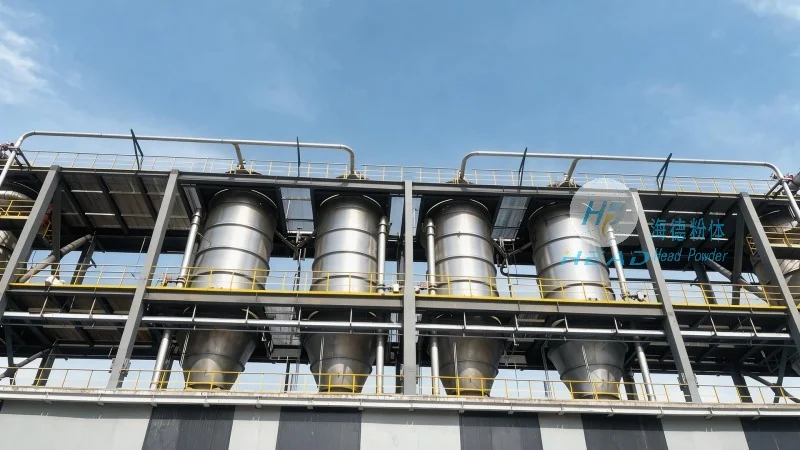
Structural Principles of Pneumatic Conveying Systems
The structural design of a pneumatic conveying system for fracturing sand is critical for its performance and longevity. Key structural components include the hopper, which is designed to store and feed sand into the conveying line at a controlled rate. The conveying line itself is typically constructed from high-strength materials such as stainless steel or specialized polymers to withstand the abrasive nature of the sand particles. This ensures minimal wear and tear over time. The receiver, positioned at the destination, collects the conveyed sand and may include features like a discharge valve or level sensor for monitoring. Additionally, the system incorporates air compressors, which generate the necessary pressure, and filters to maintain air quality, preventing contamination of the proppant. Control valves regulate air flow and pressure, allowing for precise adjustment based on operational needs.
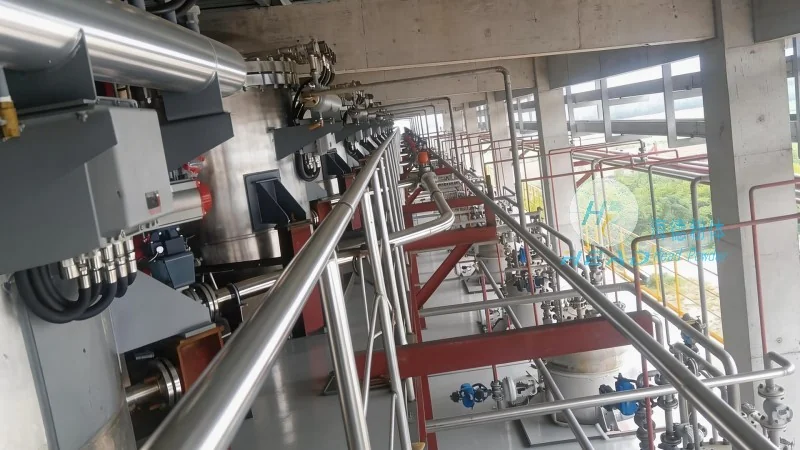
Operational Mechanisms and Efficiency Factors
The efficiency of a pneumatic conveying system depends on several key factors, including air velocity, particle size and density, and system pressure. Proper design and maintenance are essential to minimize pressure drop and maximize material throughput. The structural integrity of the conveying line and hopper is critical to prevent material buildup and ensure smooth operation. Additionally, the use of advanced materials and engineering designs helps to reduce wear and tear, extending the lifespan of the equipment. HeadPowder's systems are engineered to optimize these factors, ensuring consistent performance in demanding oilfield environments.
Applications and Industry Impact
Fracturing sand pneumatic conveying systems are widely used in the oil and gas industry, particularly in hydraulic fracturing operations. These systems play a vital role in enhancing the productivity of oil and gas wells by ensuring the timely and accurate delivery of proppant. The reliability and efficiency of these systems directly impact the success of fracturing operations, making them an indispensable component of modern oilfield infrastructure. HeadPowder's commitment to quality and innovation ensures that its systems meet the evolving needs of the industry, providing reliable solutions for frac sand transportation.