

Introduction to Silicate Pneumatic Conveying: Structure and Working Principles
The article is titled "Introduction to Silicate Pneumatic Conveying: Structure and Working Principles". The company, Shandong HeadPowder Engineering Co., Ltd., commonly known as HeadPowder, is a leading provider of engineering solutions for the handling and transportation of silicate materials. With a strong presence in the industry, HeadPowder specializes in designing and manufacturing pneumatic conveying systems tailored to the unique requirements of clients working with silicate powders and granules.
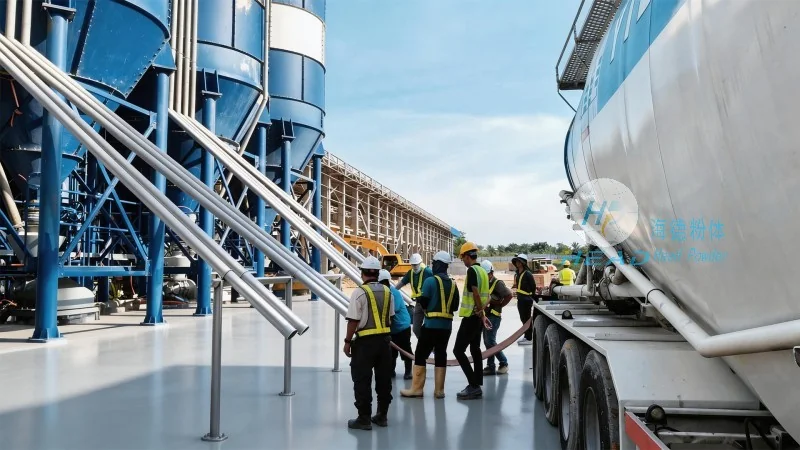
At the core of silicate pneumatic conveying systems is the efficient transfer of bulk materials through the use of air or gas as the conveying medium. These systems are particularly well-suited for silicate materials, which include compounds like silica, kaolin, and other mineral-based powders. The technology offers a flexible and cost-effective alternative to traditional bulk material handling methods, such as belt conveyors or bucket elevators.
Key Components of Silicate Pneumatic Conveying Systems
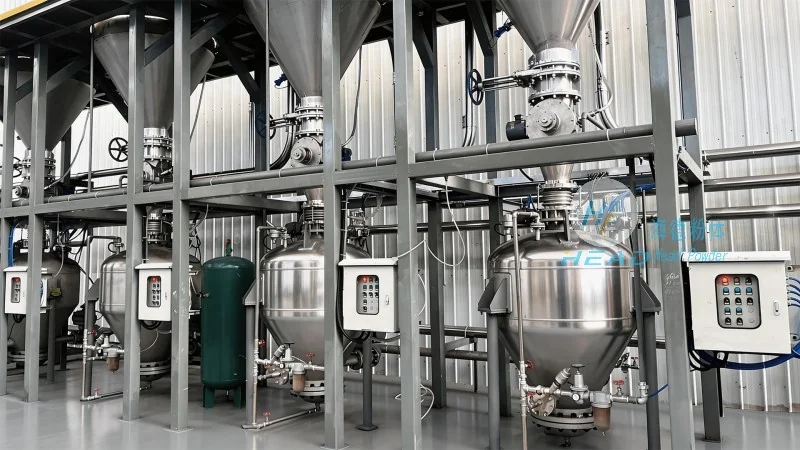
Typical silicate pneumatic conveying systems consist of several critical components that work in concert to ensure smooth material transport. The primary elements include a material feeder, which accurately meters the silicate material into the conveying line. This is often followed by a venturi or a pressure vessel that generates the necessary airflow to move the material. The conveying line itself is typically made of durable materials like stainless steel or plastic, designed to withstand the abrasive nature of silicate powders. Additionally, the system may incorporate a separation or collection unit, such as a cyclone or a bag filter, to separate the conveyed material from the air stream and collect it in a designated container.
Working Principles: Pressure and Vacuum Conveying
Silicate pneumatic conveying systems operate on two main principles: pressure conveying and vacuum conveying. Pressure conveying involves generating high-pressure air or gas at the material source, forcing the silicate material through the conveying line to the destination. This method is ideal for short to medium-distance transport and is commonly used in applications where the material needs to be delivered to a specific location with minimal pressure loss. On the other hand, vacuum conveying uses a vacuum pump to create a negative pressure in the conveying line, drawing the silicate material from the source to the collection point. This approach is particularly effective for long-distance transport or when handling materials that are sensitive to pressure changes, as it maintains a consistent and gentle flow.
Benefits and Applications in Silicate Processing
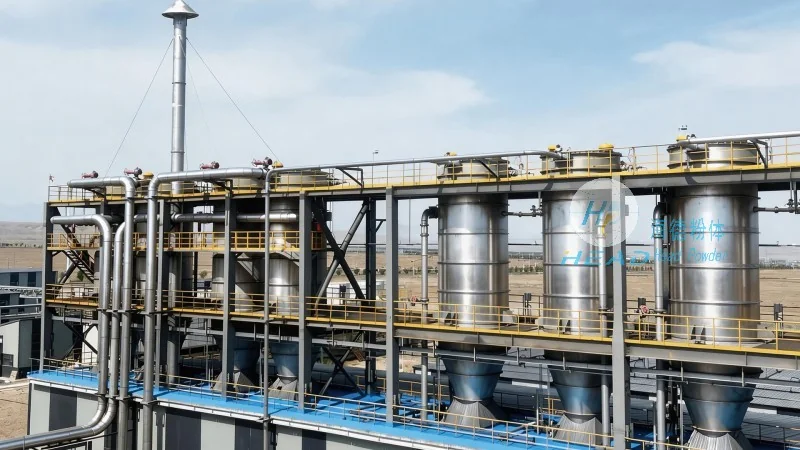
The adoption of silicate pneumatic conveying systems by industries processing silicate materials brings numerous advantages. These systems enhance operational efficiency by reducing material handling time and minimizing the risk of material degradation or contamination. By eliminating the need for manual handling or complex mechanical equipment, they also improve workplace safety and reduce labor costs. Furthermore, the flexibility of pneumatic conveying allows for easy integration into existing production lines, enabling seamless material transfer between processes such as grinding, mixing, and packaging.
HeadPowder's Expertise in Silicate Pneumatic Conveying
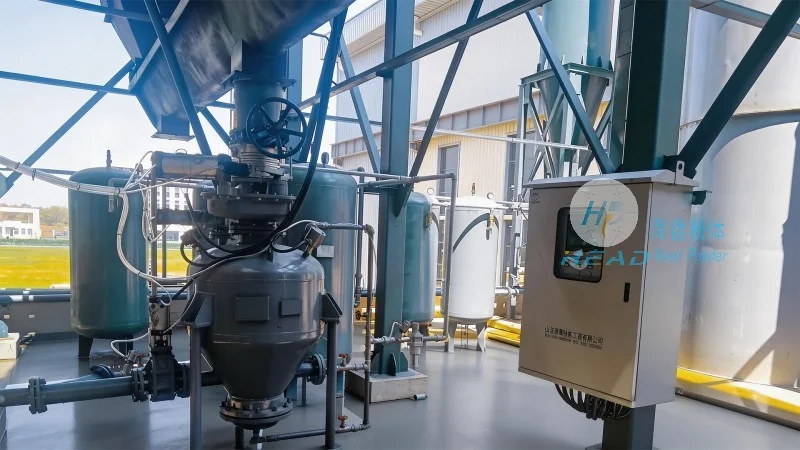
Shandong HeadPowder Engineering Co., Ltd. leverages decades of experience in the field to deliver high-quality silicate pneumatic conveying solutions. The company's engineering team works closely with clients to understand their specific material characteristics, processing requirements, and operational constraints. This collaborative approach ensures that the designed system is optimized for performance, reliability, and cost-effectiveness. HeadPowder's commitment to innovation is evident in their use of advanced materials and technologies, such as high-efficiency cyclones and energy-efficient blowers, which contribute to the overall efficiency of the conveying process.
Conclusion: Advancing Silicate Material Handling
In conclusion, silicate pneumatic conveying systems represent a sophisticated and efficient solution for the transportation of silicate materials. By understanding the structural components and working principles of these systems, industries can make informed decisions about implementing or upgrading their material handling infrastructure. With companies like Shandong HeadPowder Engineering Co., Ltd. leading the way, the technology continues to evolve, offering improved performance, reduced operational costs, and enhanced safety for the processing of silicate materials.