

Introduction to Tonne Bag Breakage and Pneumatic Conveying System: Structure and Working Principle
The tonne bag breakage and pneumatic conveying system is a specialized industrial solution designed for the efficient handling of bulk materials delivered in large, sealed bags. This system is particularly valuable in industries such as food processing, chemical manufacturing, and pharmaceuticals, where maintaining product integrity and ensuring a clean, dust-free transfer process is critical. By integrating a bag opening mechanism with a pneumatic conveying system, the technology addresses the common challenge of safely and effectively transferring contents from heavy-duty bags without manual intervention or exposure to dust and contaminants.
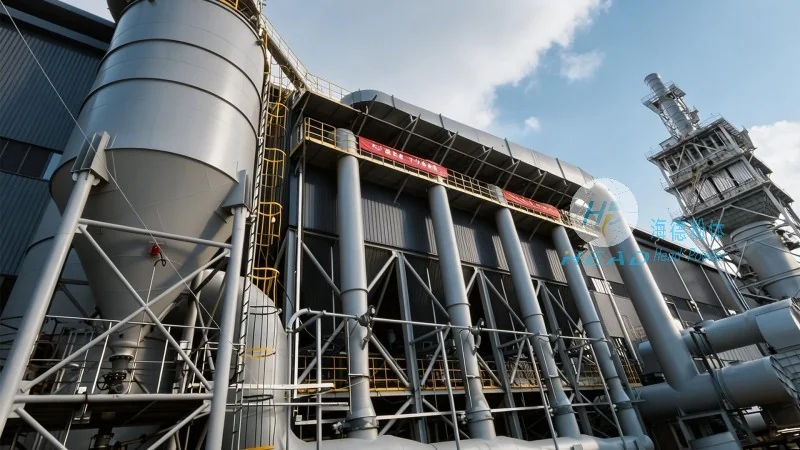
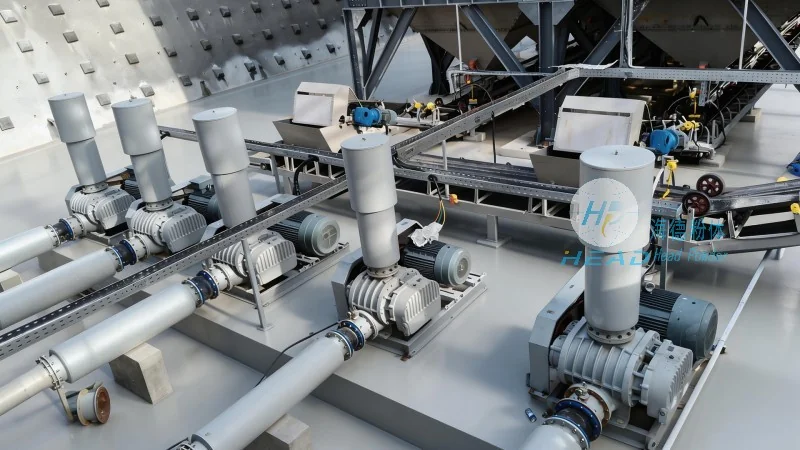
Key Components and Structure
The system's structure comprises several interconnected components that work in tandem to achieve seamless material transfer. At the core is the bag breakage unit, which is engineered to safely open and empty the tonne bags. This component typically includes a robust hopper or chamber where the bag is placed, and mechanisms such as cutting blades or pneumatic actuators that rupture the bag's seal. Adjacent to this is the pneumatic conveying system, which consists of a blower or air compressor, a pipeline network, and a receiving hopper or silo. The bag breakage unit is connected to the conveying line via a flexible or rigid duct, ensuring that the material is transferred from the opened bag into the pneumatic system without interruption.
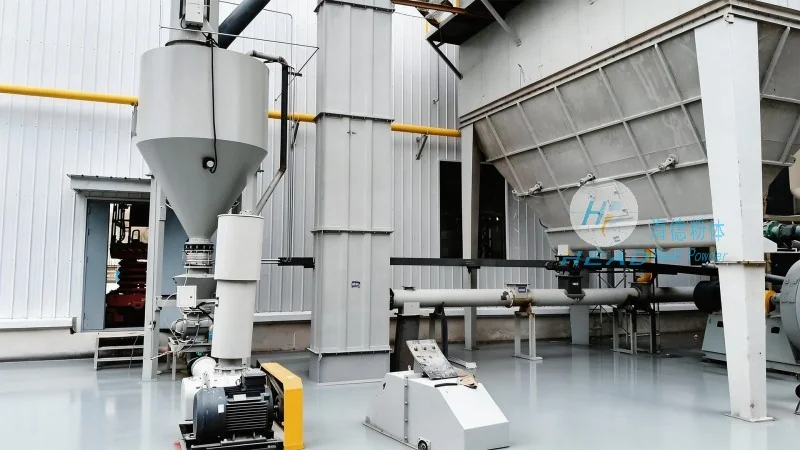
Working Principle and Operational Flow
The operational principle of the tonne bag breakage and pneumatic conveying system is based on the creation of a pressure differential to move the material through the conveying line. Initially, the tonne bag is positioned in the breakage unit, and the bag's seal is ruptured. The material then falls into the breakage chamber, where it is mixed with air or other conveying media. The blower generates a high-pressure airflow that draws the material particles into the pipeline. As the material travels through the ducts, it is propelled towards the receiving container or processing unit. The system is designed to maintain consistent airflow and pressure, ensuring that the material is conveyed efficiently and without blockages. The entire process is automated, reducing the need for manual labor and minimizing the risk of product contamination.
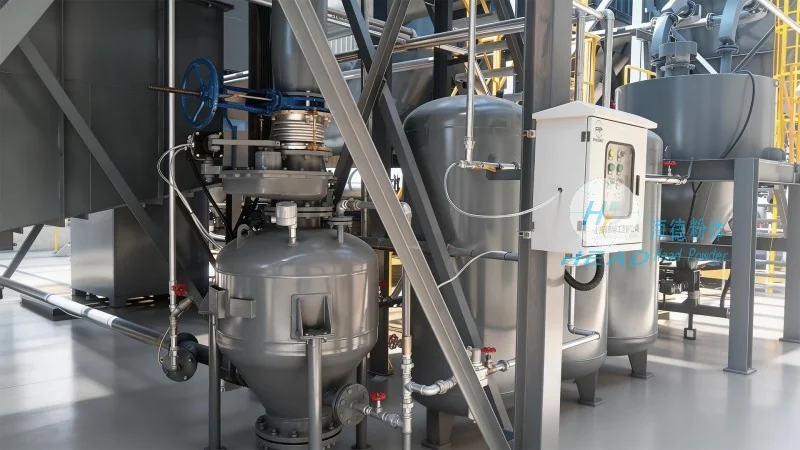
Technical Advantages and Applications
Shandong HeadPowder Engineering Co., Ltd. has developed this system to offer several key advantages over traditional material handling methods. The primary benefit is the reduction of dust exposure, which is crucial for maintaining product quality and ensuring workplace safety. By breaking the bag and conveying the material in a sealed environment, the system prevents dust from dispersing into the air, thus complying with environmental regulations and improving air quality. Additionally, the automated nature of the system enhances operational efficiency, as it can handle multiple tonne bags continuously without the need for frequent manual intervention. The system is also versatile, capable of handling a wide range of materials, including powders, granules, and bulk solids, making it suitable for various industrial applications. The engineering company, based in Shandong, China, specializes in providing customized solutions tailored to the specific needs of clients, ensuring that the system meets the unique requirements of each project.