

Introduction to Stone Aggregate Pneumatic Conveying System: Structure and Working Principle
Stone aggregate pneumatic conveying systems represent a sophisticated and efficient method for transporting bulk materials, particularly in construction and industrial applications. These systems are designed to handle materials like crushed stone, gravel, and other aggregates with high reliability and minimal maintenance requirements. The following overview delves into the fundamental structure and operational principles of such systems, providing a clear understanding of their design and functionality.
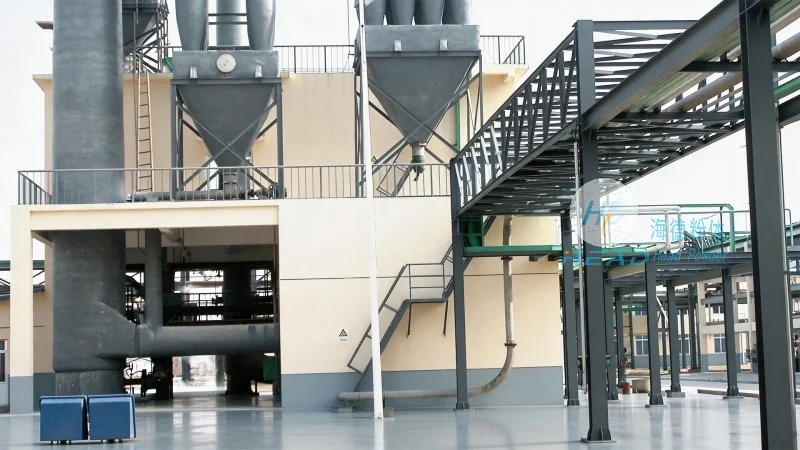
Key Components of Pneumatic Conveying Systems
The core components of a stone aggregate pneumatic conveying system typically include a material feed hopper, a conveying pipeline, a blower or air compressor, a separation or cyclone unit, and a discharge outlet. Each component plays a critical role in the overall system performance. The feed hopper is responsible for storing and regulating the flow of stone aggregates, ensuring a consistent feed rate to the system. It often features a hopper design that minimizes material bridging and ensures smooth material discharge into the pipeline.
The conveying pipeline is the main channel through which the material is transported. It is usually made of durable materials such as stainless steel or PVC, chosen for their resistance to abrasion and corrosion from the stone aggregates. The pipeline may include bends, elbows, and other fittings to direct the material along the desired path. The blower or air compressor provides the necessary air pressure to move the material through the pipeline. The air velocity within the pipeline must be sufficient to lift and transport the aggregates, typically ranging from 20 to 30 meters per second for most stone materials.
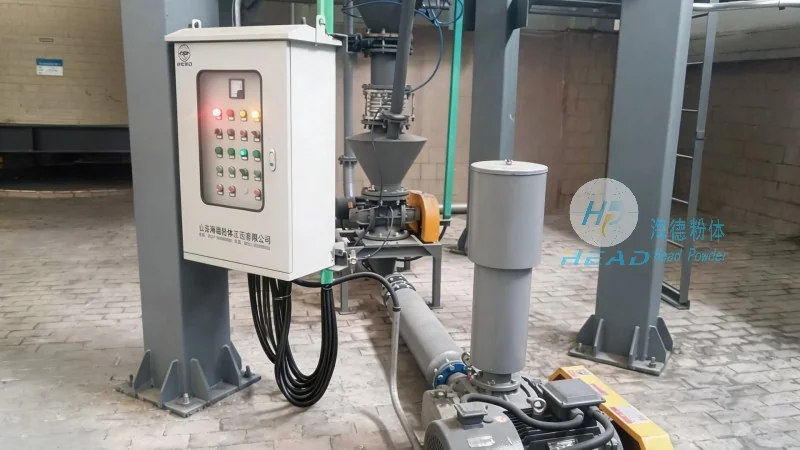
Working Principle of Pneumatic Conveying
The operation of a stone aggregate pneumatic conveying system is based on the principle of air suspension. When the blower generates high-pressure air, it is introduced into the conveying pipeline at the inlet of the feed hopper. The air flows through the pipeline, creating a low-pressure zone that draws the stone aggregates into the air stream. The aggregates are then suspended in the air and carried along the pipeline to the discharge point. At the discharge end, a separation or cyclone unit is used to separate the material from the air. The cyclone uses centrifugal force to separate the heavier stone aggregates from the lighter air, allowing the aggregates to be collected in a discharge bin or hopper.
Advantages of Stone Aggregate Pneumatic Conveying Systems
Stone aggregate pneumatic conveying systems offer several advantages over traditional mechanical conveying methods. These include reduced material handling costs, as there are no moving parts in direct contact with the aggregates, minimizing wear and tear. Additionally, the systems are highly flexible, allowing for easy reconfiguration of the pipeline layout to accommodate changes in material flow or facility layout. The systems also provide better control over material moisture content and dust generation, as the air flow can be adjusted to manage these factors. Furthermore, the enclosed pipeline design helps to contain dust and noise, improving workplace safety and environmental compliance.
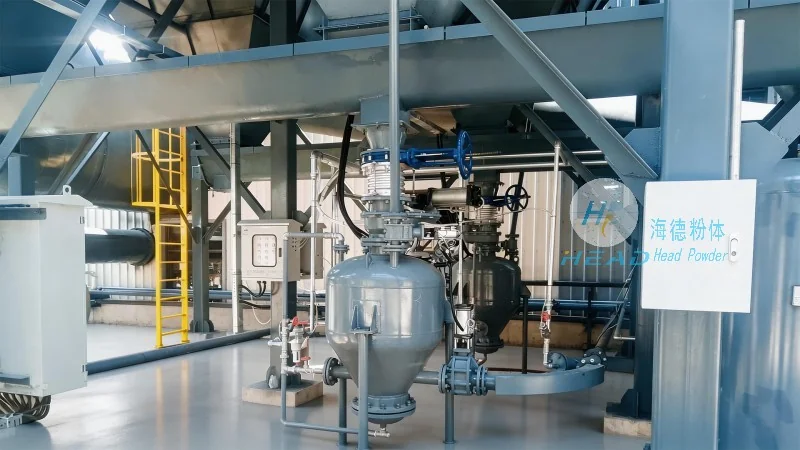
Applications in Construction and Industry
Stone aggregate pneumatic conveying systems are widely used in various industries, particularly in construction and mining. In construction projects, these systems are used to transport aggregates from storage silos to concrete mixing plants or to different construction sites. They are also used in mining operations to transport crushed stone from processing plants to storage areas or for further processing. The systems are particularly useful in applications where long-distance or high-rise transportation is required, as they can achieve significant material transport distances with minimal energy consumption.
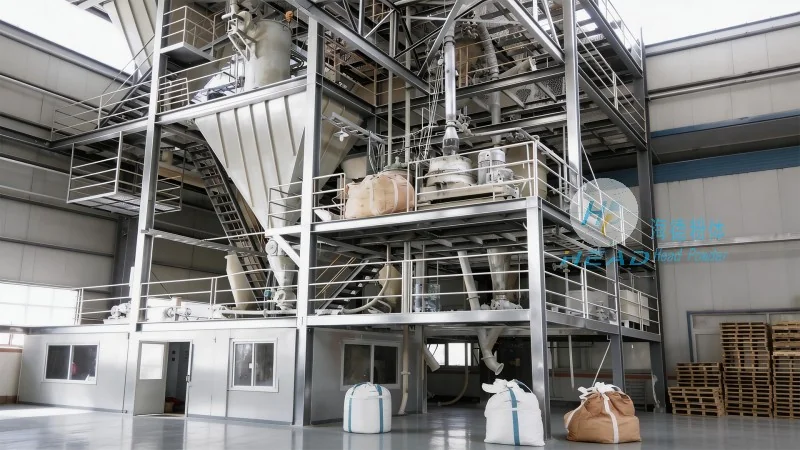
About Shandong HeadPowder Engineering Co., Ltd.
Shandong HeadPowder Engineering Co., Ltd., operating under the brand name headpowder, is a leading manufacturer and supplier of pneumatic conveying systems for stone aggregates and other bulk materials. With a strong focus on innovation and quality, the company has developed advanced systems that meet the highest industry standards. Headpowder's systems are designed to provide reliable and efficient material transport solutions, tailored to the specific needs of each client. The company's commitment to customer satisfaction and technical excellence has made it a trusted partner in the construction and industrial sectors.
The company is headquartered in Shandong, China, and serves clients both domestically and internationally. With a team of experienced engineers and technicians, headpowder provides comprehensive support, from system design and installation to maintenance and after-sales service. By leveraging advanced technology and rigorous quality control, headpowder ensures that its pneumatic conveying systems deliver optimal performance and longevity, helping clients to improve their operational efficiency and reduce costs.