

Introduction to and Structural Principles of a Bone Powder Pneumatic Conveying System
For industries dealing with bone powder, efficient and reliable material handling is crucial. The bone powder pneumatic conveying system, developed by Shandong HeadPowder Engineering Co., Ltd., offers a sophisticated solution that combines advanced technology with robust engineering design. This system is engineered to meet the specific demands of bone powder processing, ensuring optimal performance and minimal operational issues.
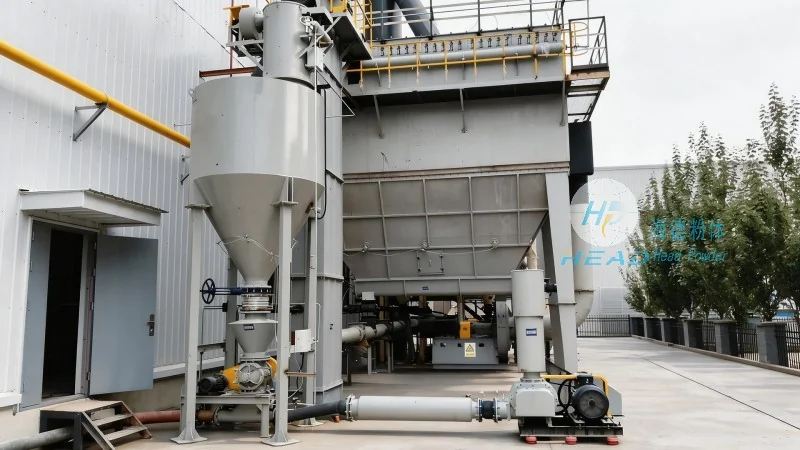
Overview of the Bone Powder Pneumatic Conveying System
The bone powder pneumatic conveying system is a specialized equipment designed for the transport of bone powder from one location to another within a processing facility. It operates on the principle of pneumatic conveying, where materials are moved through a pipeline using compressed air or other gas streams. This method eliminates the need for mechanical components like belts or buckets, reducing maintenance requirements and enhancing safety. The system is particularly suitable for bone powder due to its fine particle size and potential for dust generation, as it can handle these characteristics effectively without causing blockages or degradation of the material.
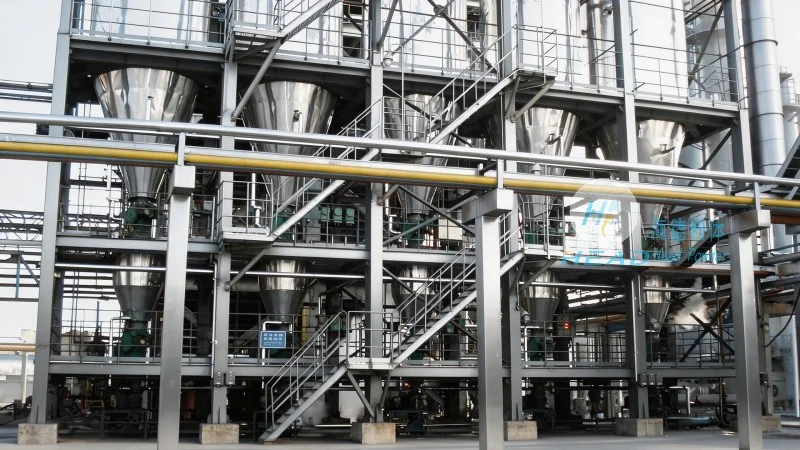
Structural Components and Working Principle
The system comprises several key components, each playing a vital role in the overall operation. The main parts include the material feed hopper, the air compressor, the conveying pipeline, the dust collector, and the discharge outlet. The feed hopper is responsible for storing and feeding the bone powder into the system. It is equipped with a metering device to control the flow rate, ensuring consistent material input. The air compressor generates the necessary pressure to move the powder through the pipeline. The conveying pipeline, typically made of stainless steel or other corrosion-resistant materials, is designed to withstand the abrasive nature of bone powder and prevent clogging. The dust collector is integrated to capture any airborne particles, maintaining a clean and safe working environment. The discharge outlet allows the processed bone powder to be released at the desired location.
Advantages of the Pneumatic Conveying System for Bone Powder
Implementing a pneumatic conveying system for bone powder processing offers numerous advantages over traditional methods. Firstly, it provides a dust-free operation, which is essential for maintaining hygiene standards in food and pharmaceutical industries where bone powder is often used. The enclosed system prevents dust from spreading, reducing the risk of contamination and improving workplace safety. Secondly, the system is highly efficient in terms of energy consumption and material handling speed. It can transport bone powder over long distances with minimal loss, making it suitable for large-scale production facilities. Thirdly, the system is easy to maintain and operate, with fewer moving parts compared to mechanical conveyors. This reduces downtime and maintenance costs, contributing to overall operational efficiency. Additionally, the system can be easily integrated with other processing equipment, allowing for a seamless workflow in the production line.
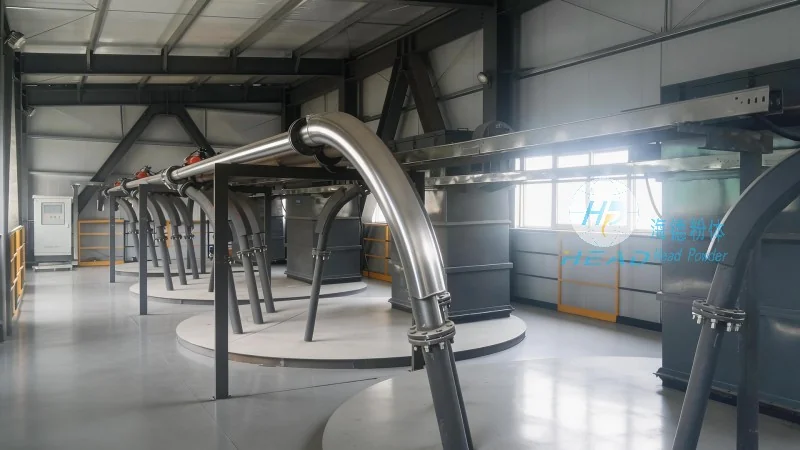
Application Scenarios and Customization Options
The bone powder pneumatic conveying system is versatile and can be applied in various scenarios within the bone powder processing industry. It is commonly used in feed mills, where bone powder is mixed with other ingredients to produce animal feed. The system can also be utilized in pharmaceutical manufacturing, where bone powder is used as an ingredient in supplements or medicinal products. Furthermore, it is suitable for food processing facilities that incorporate bone powder into products like soups, broths, or nutritional additives. The system can be customized to meet specific requirements, such as varying the pipeline length, adjusting the air pressure, or modifying the material feed rate. This flexibility allows companies to adapt the system to their unique production needs, ensuring optimal performance and cost-effectiveness.