

Introduction to and Structural Principles of a Pumice Pneumatic Conveying System
For industrial applications involving the transport of pumice, pneumatic conveying systems offer an efficient and reliable solution. These systems utilize air or other gases to move bulk materials through a pipeline network, eliminating the need for traditional mechanical conveyors like belt or screw conveyors. The technology is particularly advantageous for handling lightweight, abrasive, or dusty materials such as pumice, where traditional methods may cause material degradation or operational inefficiencies.
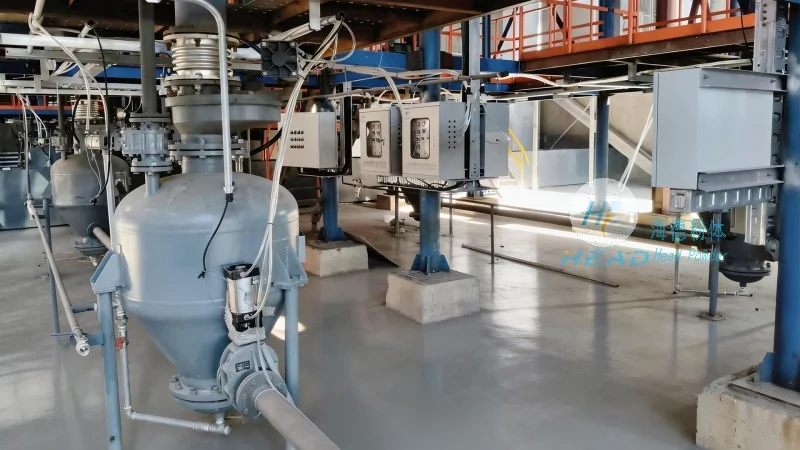
Core Components of a Pumice Pneumatic Conveying System
A typical pumice pneumatic conveying system consists of several key components that work in tandem to ensure smooth material transport. The primary components include the material hopper, which stores the pumice and feeds it into the system; the air compressor or blower, which generates the necessary air pressure to move the material; the conveying line, which is the pipeline through which the pumice travels; and the receiver or discharge hopper, where the material is deposited at the destination. Additionally, systems may include accessories like filters, silencers, and vacuum pumps to manage air quality and system noise.
Working Principle of Pumice Pneumatic Conveying
The operation of a pumice pneumatic conveying system is based on the principle of fluidization and suspension. When air is introduced into the material hopper at a controlled pressure, it lifts and suspends the pumice particles in the air stream. This creates a slurry-like mixture that is then propelled through the conveying line by the pressure differential generated by the air compressor. The material travels at high velocity, maintaining its suspended state until it reaches the receiver, where the air is released and the pumice settles out due to gravity.
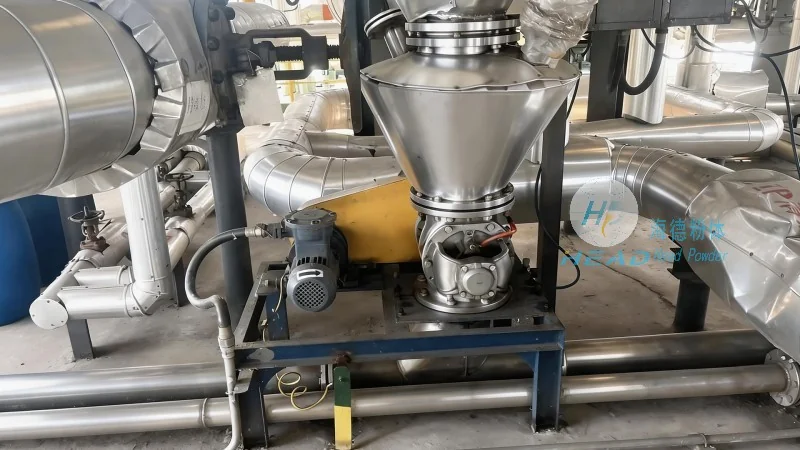
Advantages of Using Pumice Pneumatic Conveying Systems
Implementing a pneumatic conveying system for pumice offers several benefits over conventional transport methods. Firstly, it provides a dust-free operation, which is crucial for maintaining a clean and safe working environment, especially in facilities where dust can pose health risks or interfere with downstream processes. Secondly, the system is highly flexible, allowing for changes in material flow direction and destination without the need for extensive reconfiguration of the pipeline network. Thirdly, it reduces material degradation by minimizing physical contact and abrasion, which is particularly important for pumice, as it can be easily broken down by mechanical conveyors. Finally, the system is energy-efficient compared to other bulk material handling solutions, as it uses compressed air to move the material directly, eliminating the need for multiple stages of transport.
Applications in Industrial Settings
Pumice pneumatic conveying systems are widely used in various industrial sectors that require the handling of pumice. These include the construction industry, where pumice is used as an aggregate in concrete and plaster; the manufacturing industry, where it is used as a filler in paints and coatings; and the environmental industry, where it is used in filtration systems and as a lightweight aggregate in soil stabilization projects. The systems are also employed in research and development facilities for material testing and quality control, where precise and controlled transport of pumice is essential.
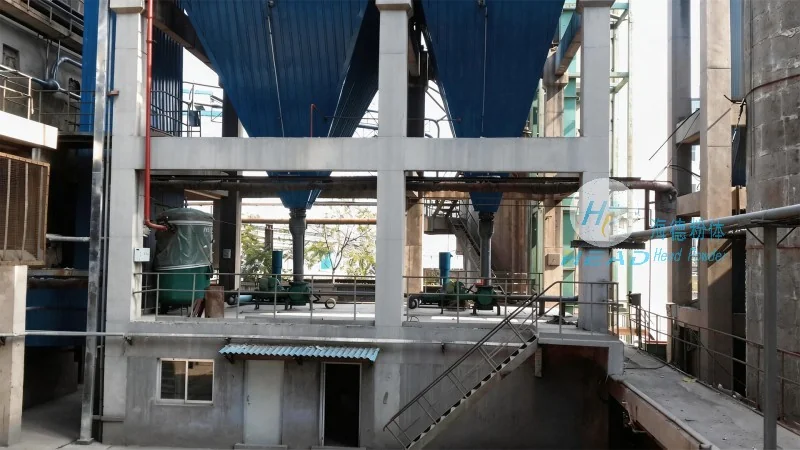
Customization and Scalability
Shandong HeadPowder Engineering Co., Ltd., a leading provider of industrial conveying solutions, offers customized pumice pneumatic conveying systems tailored to the specific needs of each client. The company’s expertise lies in designing systems that can handle varying capacities, material types, and operational conditions. Whether a client requires a small-scale system for laboratory use or a large-scale system for industrial production, HeadPowder can provide a solution that meets their requirements. The company’s systems are scalable, allowing for easy expansion as the client’s needs grow over time. This flexibility ensures that clients can invest in a system that is both effective and cost-efficient, without the need for major modifications or replacements.
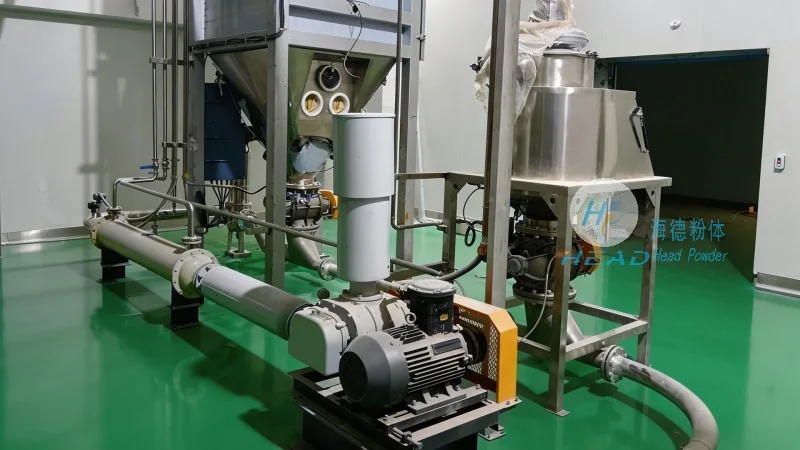
Maintenance and Operational Considerations
Proper maintenance is essential to ensure the longevity and efficiency of a pumice pneumatic conveying system. Regular cleaning of the conveying line and filters is necessary to prevent clogging and maintain air quality. The air compressor and other mechanical components should be inspected regularly to ensure they are operating within optimal parameters. Additionally, monitoring the system’s performance, such as flow rates and pressure levels, can help identify potential issues before they become major problems. By following these maintenance practices, clients can maximize the lifespan of their system and minimize downtime.
Conclusion
Pumice pneumatic conveying systems represent a modern and efficient approach to handling bulk materials in industrial settings. With their ability to transport pumice in a dust-free, flexible, and energy-efficient manner, these systems offer significant advantages over traditional transport methods. As a result, they are increasingly being adopted by industries worldwide. Shandong HeadPowder Engineering Co., Ltd. continues to be a trusted partner in providing high-quality pumice pneumatic conveying systems, helping clients improve their operational efficiency and achieve their production goals.