

Introduction to and Structural Principles of Glass Slag Pneumatic Conveying Systems
Shandong HeadPowder Engineering Co., Ltd., commonly known as headpowder, is a leading manufacturer and supplier of material handling systems, including glass slag pneumatic conveying systems. With headquarters located in Shandong, China, the company specializes in designing and manufacturing customized solutions for various industrial applications. The company's expertise lies in developing efficient and reliable systems that meet the specific needs of clients in the glass manufacturing, recycling, and waste management industries. Through continuous innovation and adherence to quality standards, headpowder has established itself as a trusted partner in providing advanced material handling solutions.
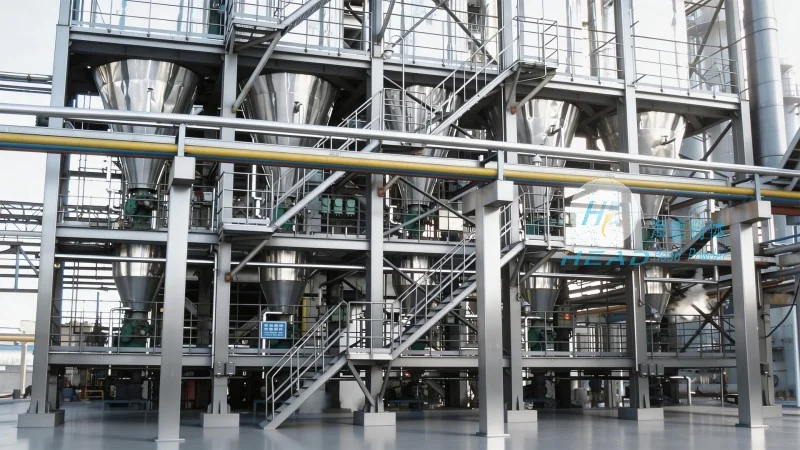
Overview of Glass Slag Pneumatic Conveying Systems
This article provides an introduction to the glass slag pneumatic conveying system, a critical technology in material handling for industrial applications. The system is designed to efficiently transport glass slag, a byproduct of glass manufacturing processes, from one location to another using air as the conveying medium. As a key component in waste management and recycling operations, this system offers a reliable and efficient method for handling glass slag, ensuring proper disposal and potential reuse of the material.
Structural Components and Working Principle
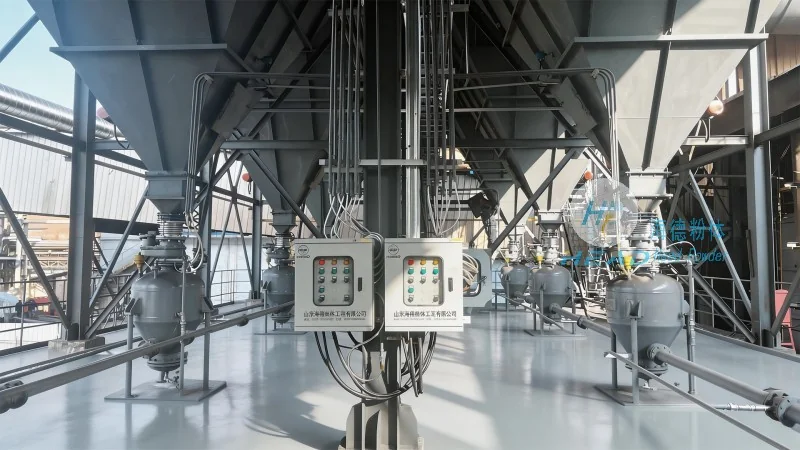
The glass slag pneumatic conveying system consists of several core components that work in tandem to achieve effective material transport. The primary components include a hopper for material storage, a blower or air compressor to generate the necessary air pressure, a pipeline system for conveying the material, and a receiver or discharge unit for the final deposition of the glass slag. The working principle is based on the creation of a low-pressure or high-pressure air stream within the pipeline. When the system is activated, the blower draws air from the environment and forces it through the pipeline. Simultaneously, the glass slag is introduced into the hopper and then fed into the pipeline via a feeder mechanism. The air stream then lifts and propels the glass slag particles through the pipeline, transporting them to the receiver. The system's design ensures that the air and material are separated at the receiver, with the air typically being recirculated or released, while the glass slag is collected for further processing or disposal.
Key Features and Technical Advantages
One of the significant advantages of the glass slag pneumatic conveying system is its ability to handle abrasive materials like glass slag without causing excessive wear on the system components. The system's design incorporates materials resistant to corrosion and abrasion, such as stainless steel or specialized coatings, to ensure long-term durability. Additionally, the system can operate in both positive and negative pressure modes, providing flexibility in different industrial settings. The positive pressure mode is commonly used for long-distance or vertical transport, while the negative pressure mode is suitable for short-distance or horizontal transport. The system also offers high efficiency in material transport, with minimal material loss and reduced labor requirements compared to traditional methods like conveyor belts or trucks.
Application and Operational Considerations
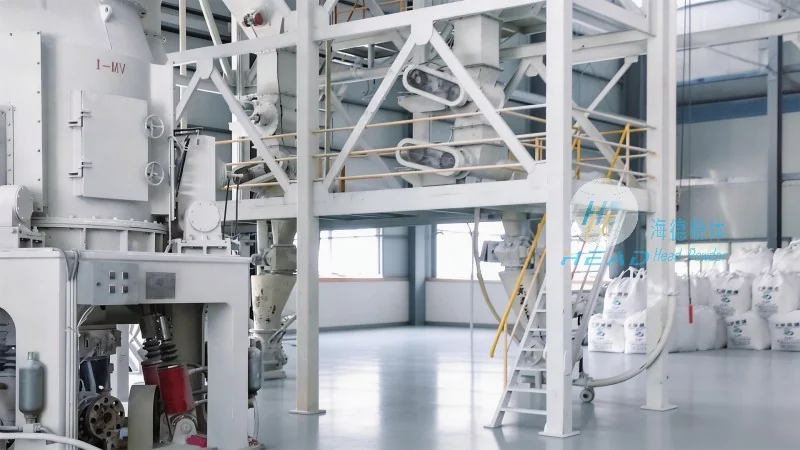
The glass slag pneumatic conveying system is widely used in glass manufacturing facilities, recycling plants, and waste management facilities. Its primary application is the transport of glass slag from the production line to storage or disposal areas. The system's ability to handle large volumes of material at high speeds makes it ideal for high-throughput operations. Operational considerations include the proper maintenance of the blower and pipeline system to prevent blockages or leaks, which can affect the system's efficiency and longevity. Regular cleaning and inspection of the components are essential to ensure the system operates smoothly and safely. Additionally, the system's design allows for easy integration with other industrial processes, such as material sorting or processing, enhancing overall operational efficiency.
Conclusion
In conclusion, the glass slag pneumatic conveying system is a sophisticated and efficient technology for handling glass slag in industrial applications. Its structural design and working principles ensure reliable and effective material transport, contributing to improved operational efficiency and reduced environmental impact. As a key solution in waste management and recycling, this system plays a vital role in the sustainable handling of glass slag, supporting the broader goals of industrial sustainability and resource conservation.