

Introduction to the Limestone Powder Pneumatic Conveying System: Structure and Working Principle
For industries dealing with limestone powder, efficient and reliable material handling is crucial. The pneumatic conveying system designed by Shandong HeadPowder Engineering Co., Ltd. offers a robust solution for transporting limestone powder from storage to processing units. This article provides an overview of the system's structure and operational principles, highlighting its key components and how they work together to ensure optimal performance.
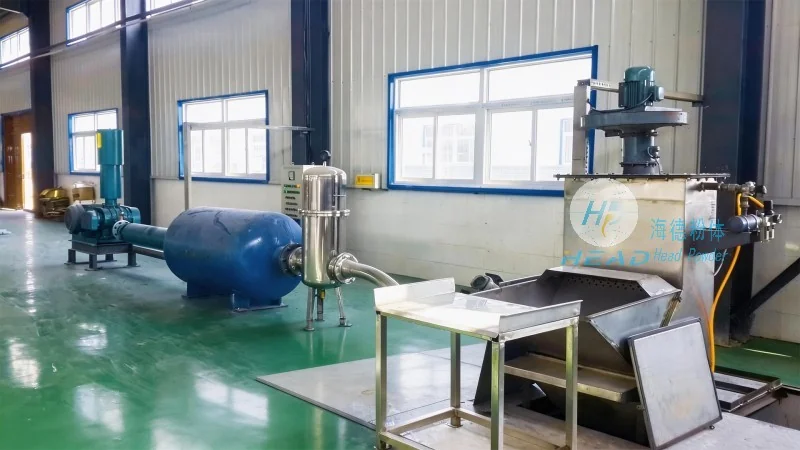
Key Components of the Limestone Powder Pneumatic Conveying System
The pneumatic conveying system for limestone powder consists of several essential components that work in concert to facilitate material transport. The primary components include a hopper for material storage, a rotary valve for controlled discharge, a conveyor line with appropriate ductwork, a dust collector to manage airborne particles, and a blower or air compressor to generate the necessary air pressure. Each component plays a vital role in the overall system's functionality, ensuring that limestone powder is conveyed safely and efficiently.
Structural Design and Material Handling
The system's structural design is tailored to handle the specific characteristics of limestone powder, such as its fine particle size and potential for dust generation. The hopper is typically constructed from durable materials like stainless steel or high-density polyethylene to prevent material degradation and ensure longevity. The rotary valve is designed to regulate the flow of limestone powder, preventing blockages and maintaining consistent material feed rates. The conveyor line is equipped with smooth, non-stick surfaces to minimize friction and prevent powder buildup, which could otherwise lead to system inefficiencies or maintenance issues.
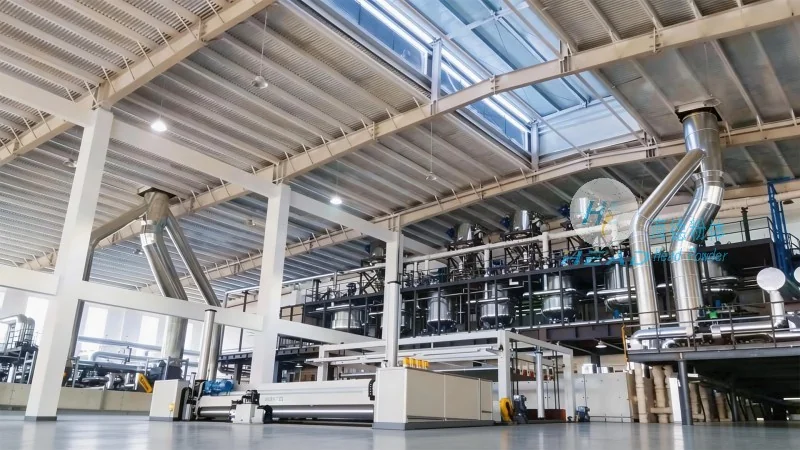
Working Principle of the Pneumatic Conveying Process
The operation of the limestone powder pneumatic conveying system relies on the principle of air movement to transport the material. When the blower or air compressor is activated, it generates a high-pressure air stream that flows through the conveyor line. The limestone powder is introduced into the system via the rotary valve and hopper, where it is entrained by the moving air. The air-powder mixture travels through the ductwork to the destination point, such as a processing unit or storage silo. At the receiving end, a cyclone separator or filter system separates the powder from the air, allowing the air to be recirculated or discharged, while the limestone powder is collected for further use.
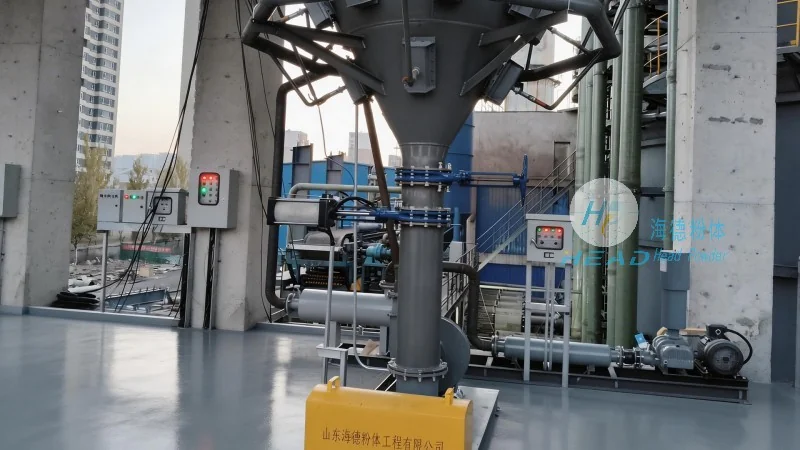
Advantages of the Limestone Powder Pneumatic Conveying System
Implementing a pneumatic conveying system for limestone powder offers numerous advantages over traditional methods like belt conveyors or manual handling. The system provides a dust-free environment, reducing health hazards and improving workplace safety. It also minimizes material loss and contamination, ensuring that the limestone powder remains in pristine condition throughout the transport process. Additionally, the system is highly flexible, allowing for easy integration with existing production lines and the ability to transport materials over long distances without the need for multiple transfer points. The automated nature of the system reduces labor costs and increases operational efficiency, making it a cost-effective solution for industrial applications.
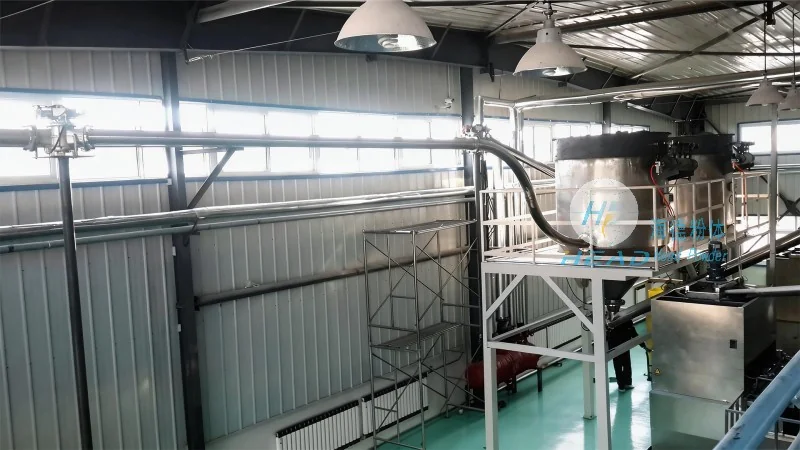
Application Scenarios and Industry Impact
The limestone powder pneumatic conveying system is widely used in various industries, including cement production, chemical manufacturing, and food processing. In cement plants, the system efficiently transports limestone to the raw material preparation area, where it is ground into fine powder for cement production. In chemical plants, it facilitates the transport of limestone for use in processes like flue gas desulfurization, where the limestone reacts with sulfur dioxide to reduce emissions. The system's adaptability and reliability make it an essential component in modern industrial operations, contributing to improved productivity and environmental compliance.
Conclusion and Company Overview
Shandong HeadPowder Engineering Co., Ltd. specializes in designing and manufacturing advanced pneumatic conveying systems tailored to the needs of industries handling limestone powder and other fine materials. With a focus on innovation and customer satisfaction, the company provides comprehensive solutions that enhance operational efficiency and ensure safe material handling. Based in Shandong, China, HeadPowder Engineering leverages years of experience and technical expertise to deliver high-quality systems that meet the demanding requirements of modern industrial applications. By investing in a pneumatic conveying system from HeadPowder Engineering, businesses can achieve reliable, efficient, and cost-effective material transport, ultimately improving their overall productivity and competitiveness in the market.