

Introduction to and Structural Principles of a Pneumatic Salt Conveying System for Food Use
HeadPowder, a leading engineering firm based in Shandong, China, specializes in the design and implementation of advanced pneumatic conveying systems tailored for the food industry. This article provides an overview of a typical pneumatic salt conveying system, detailing its structural components and operational principles to help stakeholders understand its functionality and benefits.
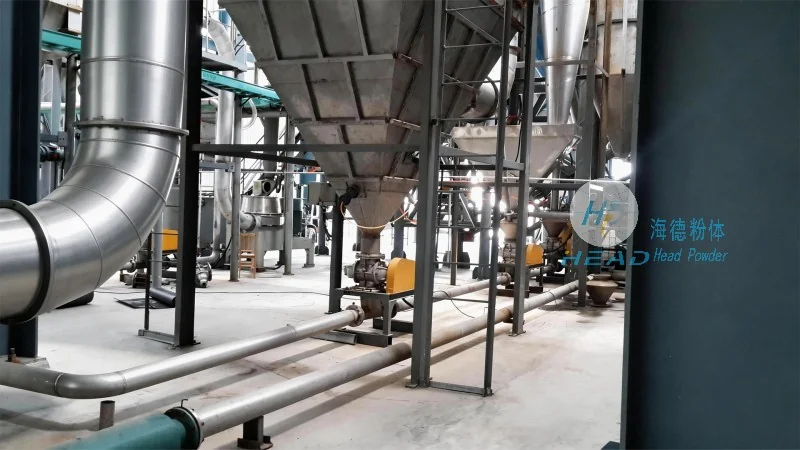
Overview of the Pneumatic Salt Conveying System
The pneumatic salt conveying system is engineered to efficiently transport bulk salt from storage silos or production areas to processing lines or packaging stations. It operates by using compressed air to move the salt through a network of pipes and components, eliminating the need for mechanical conveying equipment like conveyor belts or buckets. This method not only enhances operational efficiency but also ensures the salt remains free from contamination, a critical requirement in food processing applications.
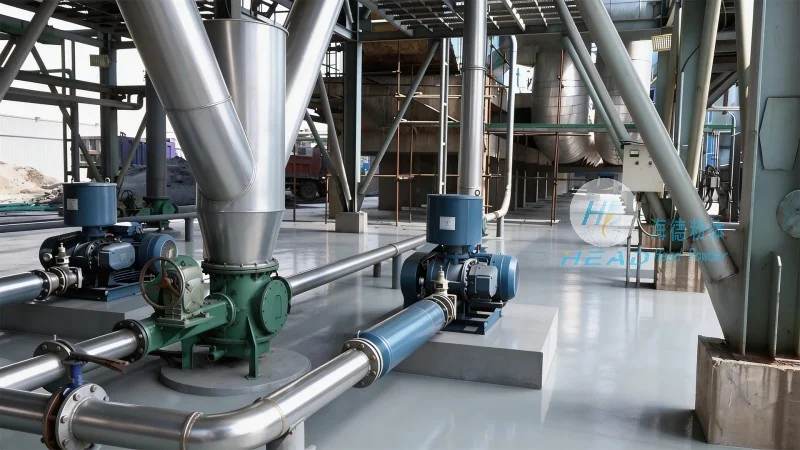
Key Structural Components and Their Functions
The system comprises several essential components, each playing a vital role in the overall operation. The primary components include the hopper or feed bin, the air compressor or blower, the conveying pipes, the rotary airlock valves, and the receiver or discharge hopper. The hopper is designed to store and feed the salt into the system, ensuring a consistent flow. The air compressor generates the necessary pressure to move the salt through the pipes. The conveying pipes, often made of stainless steel to meet food-grade standards, transport the salt from the feed point to the discharge point. The rotary airlock valves act as check valves, preventing backflow and maintaining the pressure within the system. The receiver collects the conveyed salt before it is transferred to the next stage of processing.
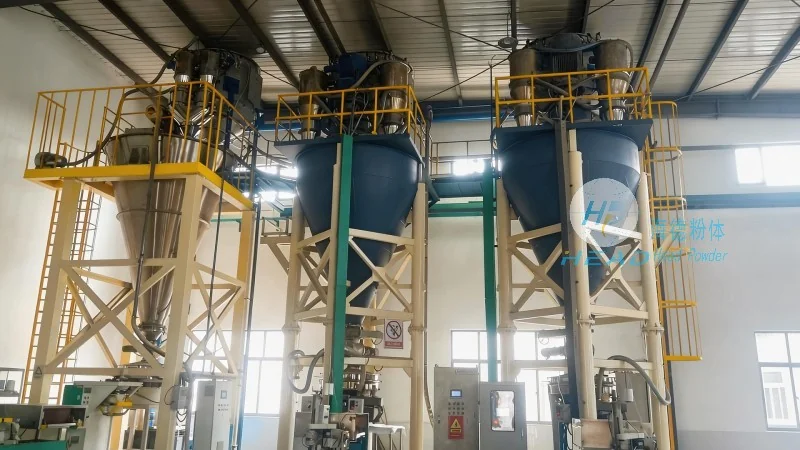
Operational Principles and Process Flow
The operation of the pneumatic salt conveying system follows a systematic process. First, the salt is loaded into the hopper. The air compressor then starts, creating a pressure differential that draws the salt into the conveying pipe. As the compressed air moves through the pipe, it lifts and propels the salt particles along the path. The rotary airlock valves at the discharge end regulate the flow, ensuring that the salt is discharged at a controlled rate. The system maintains a continuous flow by maintaining the pressure and adjusting the air flow as needed. This process allows for seamless and efficient transportation of salt, minimizing downtime and maximizing productivity in food processing facilities.
Benefits and Applications in Food Processing
The pneumatic salt conveying system offers numerous advantages in food processing environments. Its ability to handle bulk materials without direct contact reduces the risk of contamination, which is essential for maintaining product quality and safety standards. The system also provides flexibility in terms of layout, as the pipes can be installed in various configurations to suit the space constraints of different facilities. Additionally, it reduces labor costs by automating the material handling process, allowing workers to focus on other critical tasks. These benefits make the system ideal for applications in salt production, seasoning manufacturing, and food processing plants where high standards of hygiene and efficiency are required.
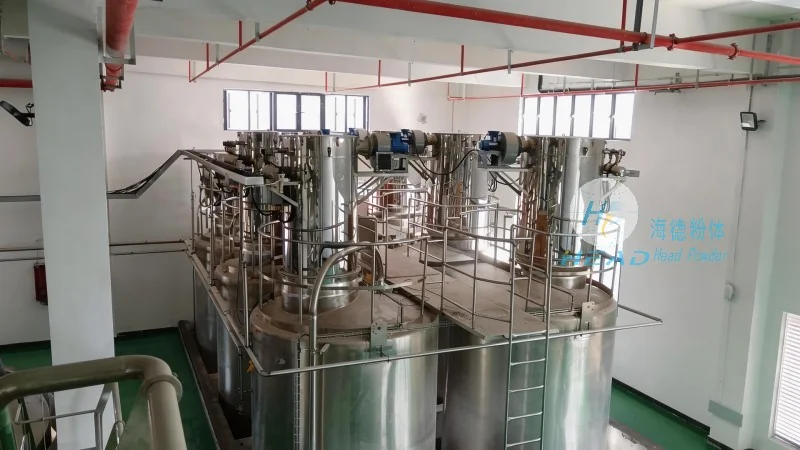
Conclusion
In conclusion, the pneumatic salt conveying system developed by Shandong HeadPowder Engineering Co., Ltd. is a sophisticated and reliable solution for the efficient and safe transportation of salt in food processing applications. By understanding its structural components and operational principles, stakeholders can appreciate how this system enhances productivity and maintains the quality of salt products. HeadPowder's expertise in engineering ensures that these systems are tailored to meet the specific needs of food industry clients, providing a robust and efficient solution for material handling challenges.