

Introduction to the Structure and Working Principle of Wheat Flour Pneumatic Conveying Systems
Wheat flour pneumatic conveying systems are essential in the flour milling industry, designed to efficiently transport bulk materials like wheat flour from one location to another. These systems utilize air pressure to move materials, offering advantages such as reduced contamination, improved hygiene, and enhanced operational flexibility. The following sections will explore the key components, working principles, and practical applications of these systems, providing a comprehensive overview for industry professionals and potential clients.
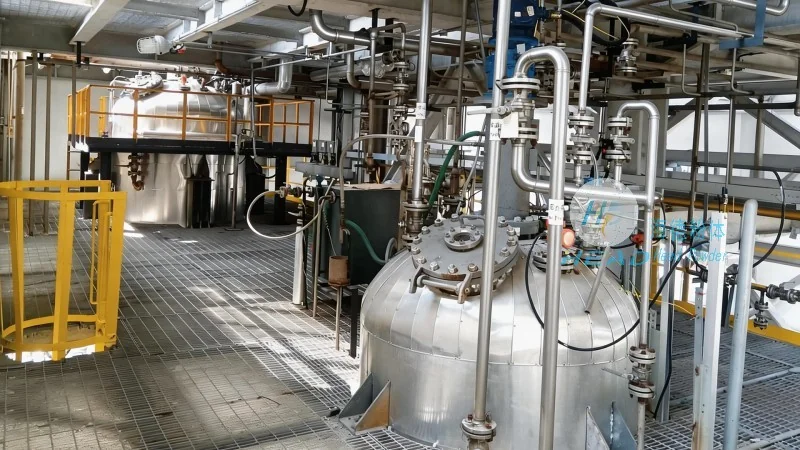
Key Components of Pneumatic Conveying Systems
The core components of a wheat flour pneumatic conveying system typically include a hopper for material storage, a feeder to control the flow rate, a conveying line (often with multiple sections), a dust collector to manage airborne particles, and a discharge outlet for the final product. Each component plays a critical role in ensuring the system operates smoothly and efficiently. The hopper is designed to hold a sufficient quantity of wheat flour, while the feeder, often a rotary valve or a screw feeder, regulates the material discharge rate to match the conveying system's capacity. The conveying line, which may consist of vertical or horizontal sections, uses compressed air to create a flow that propels the flour through the system. The dust collector is crucial for maintaining air quality and preventing dust accumulation, while the discharge outlet ensures the flour is delivered to the intended destination, such as a storage silo or packaging area.
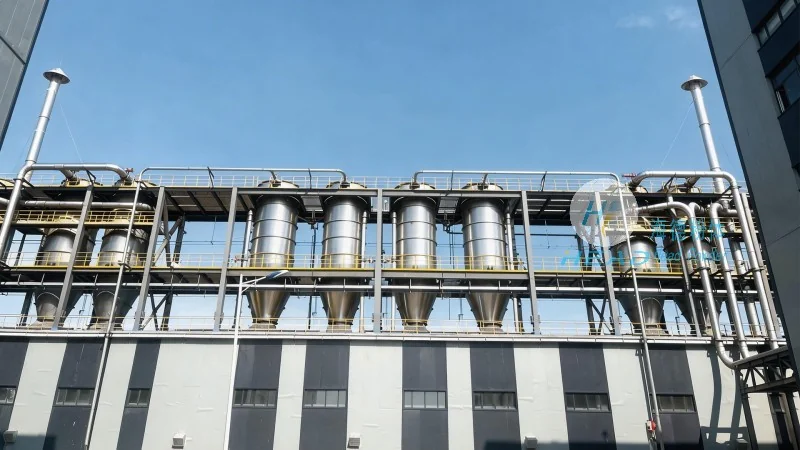
Working Principle of Pneumatic Conveying Systems
The operation of a wheat flour pneumatic conveying system relies on the principle of air movement to transport solid materials. In a typical positive pressure system, compressed air is introduced into the conveying line, creating a pressure differential that pushes the flour forward. The system starts with the material being fed from the hopper into the conveying line, where the air flow carries the flour particles along the pipeline. The velocity of the air is carefully controlled to ensure the flour remains suspended and moves without clogging the system. As the flour travels through the conveying line, it may encounter bends or changes in direction, which are designed to minimize pressure loss and maintain consistent flow. The system's control mechanisms, such as pressure sensors and flow meters, monitor the operation in real-time, allowing for adjustments to maintain optimal performance. This continuous process ensures that wheat flour is transported safely and efficiently, minimizing downtime and maximizing productivity.
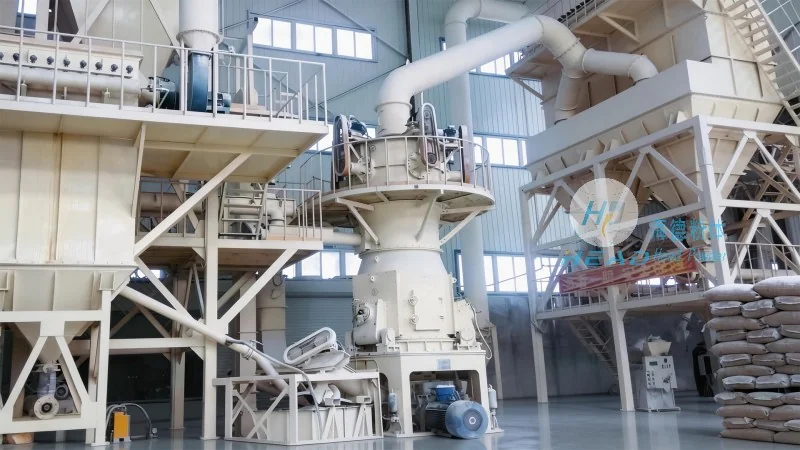
About Shandong HeadPowder Engineering Co., Ltd.
Shandong HeadPowder Engineering Co., Ltd., commonly known as headpowder, is a leading manufacturer and supplier of pneumatic conveying systems for the flour milling industry. With headquarters located in Shandong, China, the company specializes in designing, manufacturing, and installing customized solutions tailored to the specific needs of flour mills and food processing facilities. HeadPowder's team of experienced engineers and technicians utilizes advanced technology and rigorous quality control processes to ensure that each system meets the highest standards of performance, reliability, and safety. The company's commitment to innovation and customer satisfaction has made it a trusted partner for businesses seeking efficient and effective material handling solutions.
Advantages of Wheat Flour Pneumatic Conveying Systems
Compared to traditional mechanical conveying methods, pneumatic conveying systems offer several advantages in the wheat flour industry. These include improved hygiene and reduced contamination, as the enclosed system prevents exposure to external elements and minimizes the risk of cross-contamination. Additionally, pneumatic systems are more flexible, allowing for easy reconfiguration or expansion as production needs change. The systems also reduce labor costs by automating the material handling process, and they can handle a wide range of flour types and particle sizes without the need for additional processing. Furthermore, the enclosed design helps maintain consistent product quality by preventing moisture absorption or degradation, which is critical for maintaining the nutritional and sensory properties of wheat flour. These benefits make pneumatic conveying systems a preferred choice for modern flour mills seeking to enhance operational efficiency and product quality.
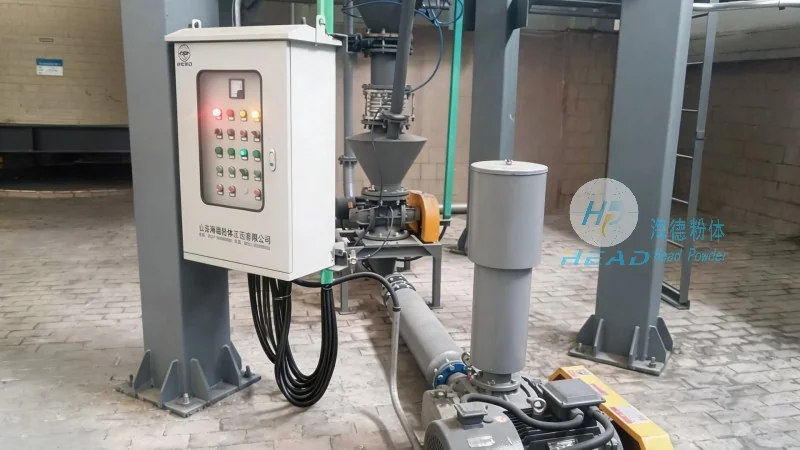
Conclusion
Wheat flour pneumatic conveying systems are a vital component of modern flour milling operations, offering efficient, hygienic, and flexible material handling solutions. By understanding the key components, working principles, and advantages of these systems, industry professionals can make informed decisions when selecting or upgrading their material handling infrastructure. Shandong HeadPowder Engineering Co., Ltd. provides reliable and customized solutions to meet the diverse needs of the flour milling industry, ensuring that businesses can achieve optimal performance and productivity. With a focus on quality and customer satisfaction, headpowder continues to be a leader in the pneumatic conveying system market, supporting the growth and success of its clients in the global food processing industry.