

Introduction to the Gypsum and Fly Ash Pneumatic Conveying System: Structure and Working Principle
HeadPowder, a leading engineering firm based in Shandong, China, specializes in the design and implementation of advanced pneumatic conveying systems for industrial applications. This article provides an overview of the gypsum and fly ash pneumatic conveying system, detailing its structural components and operational principles to enhance understanding of this efficient material handling solution.
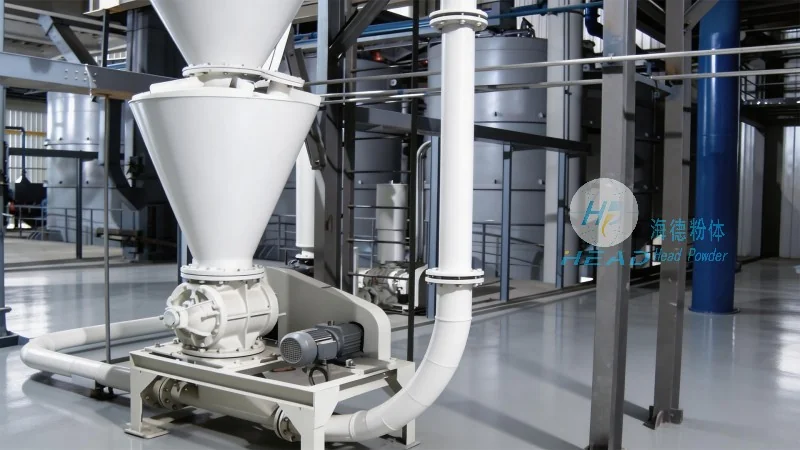
Company Profile and Background
Shandong HeadPowder Engineering Co., Ltd. is a reputable company dedicated to providing high-quality engineering solutions for material handling in various industrial sectors. With a strong focus on innovation and customer satisfaction, HeadPowder has established itself as a trusted partner in the field of pneumatic conveying technology. The company's headquarters is located in Shandong, China, where it leverages local expertise and resources to deliver cutting-edge systems tailored to client needs.
Overview of the Gypsum and Fly Ash Pneumatic Conveying System
The gypsum and fly ash pneumatic conveying system is engineered to transport bulk materials such as gypsum and fly ash over long distances with minimal loss and high efficiency. This system utilizes air as the primary medium to move materials through a network of pipes and components, offering a cost-effective alternative to traditional mechanical conveying methods. The design is optimized for the specific characteristics of gypsum and fly ash, ensuring reliable performance and minimal degradation of the material during transport.
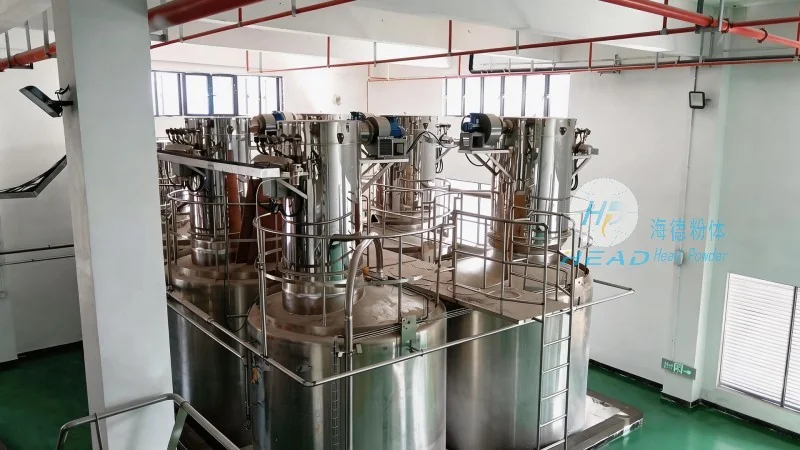
Key Structural Components of the System
The pneumatic conveying system consists of several critical components that work in tandem to facilitate material transport. These include the material feed hopper, which stores and feeds the bulk material into the system; the air compressor, which generates the necessary pressure to move the material; the conveying line, which is a network of pipes that transports the material and air mixture; and the discharge unit, which delivers the material to the destination point. Each component is carefully designed to handle the specific properties of gypsum and fly ash, ensuring optimal performance and durability.
Working Principle of the Pneumatic Conveying System
The operation of the gypsum and fly ash pneumatic conveying system is based on the principle of air suspension, where the material is suspended in a stream of air and transported through the conveying line. The system operates by first feeding the material into the hopper, which then releases it into the conveying line under the pressure generated by the air compressor. The air flow creates a low-pressure zone that draws the material into the pipe, where it is carried along by the air stream. The material is then discharged at the end of the line, where the air is separated and returned to the system for reuse. This process ensures efficient and continuous material transport with minimal maintenance requirements.
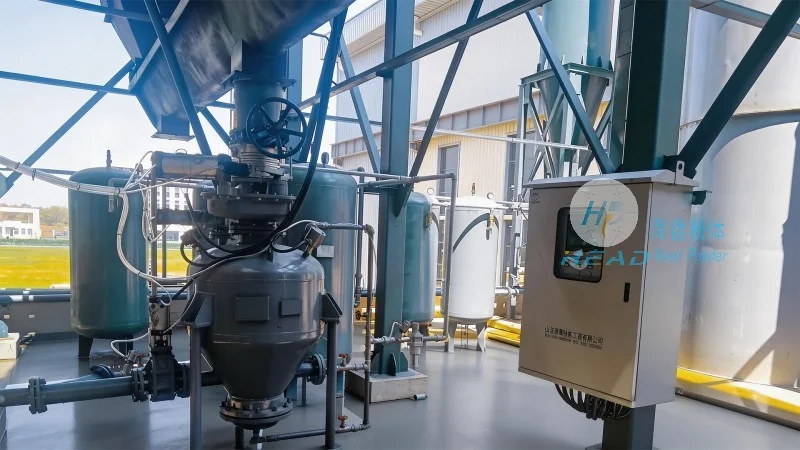
Advantages of the Gypsum and Fly Ash Pneumatic Conveying System
Compared to traditional mechanical conveying systems, the pneumatic conveying system offers several advantages for handling gypsum and fly ash. These include reduced material degradation due to minimal contact with equipment, lower installation and maintenance costs, and the ability to transport materials over long distances without the need for multiple transfer points. The system also provides better control over material flow, allowing for precise regulation of the conveying rate and pressure. Additionally, the use of air as the conveying medium eliminates the need for mechanical components that can wear out or break down, resulting in higher reliability and longer service life.
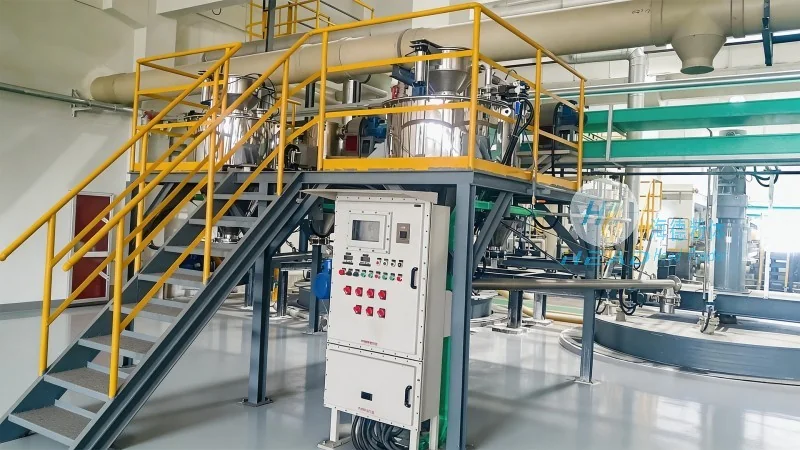
Application and Industry Relevance
The gypsum and fly ash pneumatic conveying system is widely used in the construction and power generation industries, where these materials are commonly utilized as raw materials or byproducts. In the construction industry, gypsum is used to produce drywall and other building materials, while fly ash is used as a supplementary cementitious material in concrete production. The system's ability to efficiently transport these materials in bulk makes it an essential component in modern industrial operations, contributing to increased productivity and reduced operational costs.
Conclusion
In conclusion, the gypsum and fly ash pneumatic conveying system developed by Shandong HeadPowder Engineering Co., Ltd. represents a sophisticated and efficient solution for material handling in industrial applications. By understanding its structural components and operational principles, users can appreciate the benefits of this technology in enhancing productivity, reducing costs, and improving material quality. HeadPowder's expertise in engineering and design ensures that these systems are tailored to meet the specific needs of clients, providing reliable and long-lasting solutions for material transport.