

Introduction to Dry Ash Pneumatic Conveying Equipment: Structure and Working Principles
Efficient and reliable dry ash handling is a critical aspect of modern industrial operations, particularly in power plants and waste management facilities. The dry ash pneumatic conveying equipment, developed by Shandong HeadPowder Engineering Co., Ltd., represents a sophisticated solution designed to address the challenges associated with transporting dry ash and similar bulk materials. This equipment is engineered to ensure safe, efficient, and cost-effective material transport, playing a vital role in optimizing industrial processes.
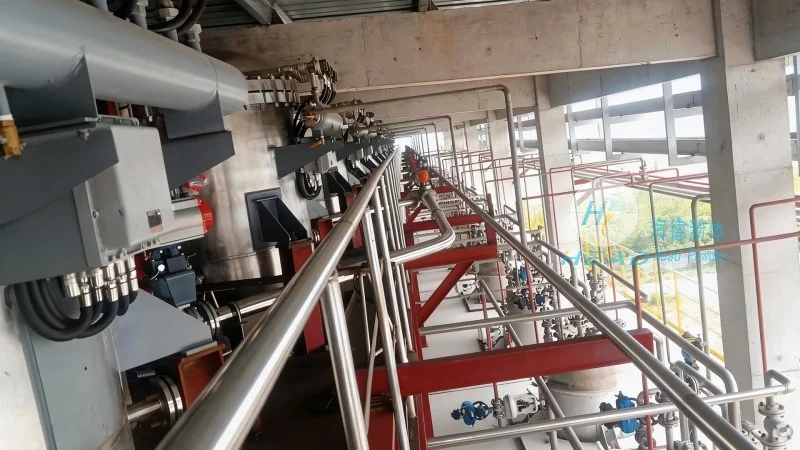
Overview of Dry Ash Pneumatic Conveying Equipment
Dry ash pneumatic conveying equipment is a system that utilizes air pressure to transport dry ash or other dry bulk materials from one location to another. Unlike traditional methods such as trucks or conveyor belts, this system offers several advantages, including reduced labor costs, minimized environmental impact, and enhanced safety. The equipment is designed to handle a wide range of dry ash characteristics, including varying particle sizes, moisture content, and bulk density, making it versatile for different industrial applications.
Key Components and Structure of the Equipment
The dry ash pneumatic conveying system consists of several essential components that work in tandem to achieve efficient material transport. The primary components include the ash hopper, which serves as the storage and feeding unit; the air compressor or blower, which generates the necessary air pressure to move the material; the conveying pipeline, which transports the ash and air mixture; and the discharge unit, which delivers the ash to the final destination. Each component is carefully designed to ensure optimal performance and durability.
The ash hopper is typically equipped with a feeding mechanism, such as a rotary valve or a screw feeder, which controls the flow of dry ash into the system. This ensures a consistent and controlled feed rate, preventing blockages and maintaining system efficiency. The air compressor or blower is responsible for generating the air pressure required to move the ash particles through the pipeline. The choice of compressor type depends on the specific application, with options ranging from positive displacement blowers to centrifugal fans, each offering different pressure and flow characteristics.
The conveying pipeline is a critical component of the system, as it must withstand the pressure and abrasion caused by the ash particles. Typically made of high-quality materials like stainless steel or special alloys, the pipeline is designed to be durable and resistant to corrosion. The pipeline may include bends, elbows, and other fittings that are carefully engineered to minimize pressure loss and maintain the air flow efficiency. The discharge unit, often a rotary valve or a venturi, controls the release of the ash from the system, ensuring a controlled and uniform discharge.
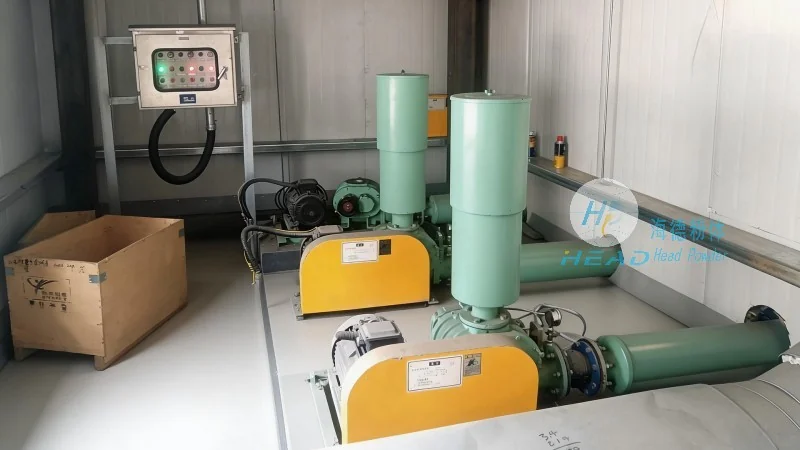
Working Principles of the Dry Ash Pneumatic Conveying System
The operation of the dry ash pneumatic conveying equipment is based on the principle of pneumatic transport, where air is used to move the dry ash particles through the pipeline. The process begins with the ash being fed from the hopper into the conveying pipeline. The air compressor then supplies compressed air, which mixes with the ash particles, creating a slurry-like mixture. This mixture is then propelled through the pipeline by the air pressure, moving the ash to the discharge point.
The air pressure in the system is carefully controlled to ensure that the ash particles are transported efficiently without causing excessive wear on the equipment. The velocity of the air and the size of the ash particles determine the optimal pressure and flow rate. The system is designed to maintain a consistent air flow, which helps to prevent blockages and ensure smooth operation. The discharge unit then separates the ash from the air, allowing the ash to be collected at the destination while the air is either recirculated or vented to the atmosphere.
Advantages of Using Dry Ash Pneumatic Conveying Equipment
Implementing dry ash pneumatic conveying equipment offers numerous benefits for industrial operations. One of the primary advantages is the reduction in labor costs, as the system automates the ash handling process, eliminating the need for manual handling and transportation. This not only saves on labor expenses but also improves workplace safety by reducing the risk of accidents associated with manual handling of bulk materials.
Another significant advantage is the minimized environmental impact. The equipment reduces the need for trucks or other vehicles to transport ash, which in turn reduces emissions and traffic congestion. Additionally, the system can be designed to capture and recycle the air used in the process, further reducing the environmental footprint. The equipment also helps to maintain a clean and organized work environment by eliminating dust and debris associated with traditional ash handling methods.
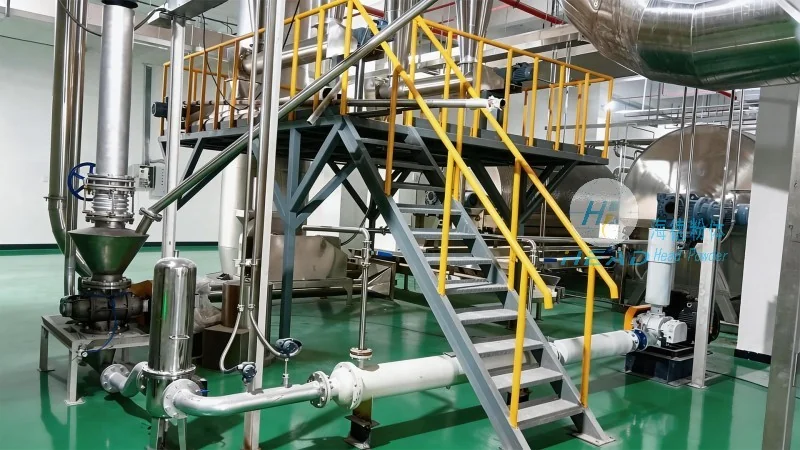
The dry ash pneumatic conveying system also offers improved efficiency and reliability compared to traditional methods. The automated process ensures consistent and continuous operation, reducing downtime and increasing overall productivity. The system is designed to handle varying ash characteristics, making it adaptable to different industrial needs. Furthermore, the equipment is easy to maintain and repair, with components that are readily available and replaceable, ensuring minimal disruption to operations.
Applications and Industries
Dry ash pneumatic conveying equipment is widely used in various industries, particularly in power generation and waste management. In power plants, the equipment is used to transport fly ash from the boiler to the storage silos or disposal sites. The system is also utilized in cement plants, where it helps to transport raw materials and finished products. Additionally, the equipment is applied in industrial waste facilities, where it assists in the handling and disposal of various dry bulk materials.
The versatility of the dry ash pneumatic conveying system makes it suitable for a wide range of applications. It can be customized to meet specific operational requirements, including different ash particle sizes, flow rates, and distances. The system is also designed to be scalable, allowing it to be expanded or modified as the industrial needs change. This adaptability makes it an ideal solution for both new and existing facilities.
Conclusion
Shandong HeadPowder Engineering Co., Ltd. has developed a highly efficient and reliable dry ash pneumatic conveying equipment that addresses the critical needs of modern industrial operations. The equipment, with its advanced structure and working principles, offers significant advantages in terms of efficiency, safety, and environmental impact. By automating the dry ash handling process, the system reduces labor costs, minimizes environmental impact, and enhances overall operational efficiency. As industrial operations continue to evolve, the dry ash pneumatic conveying equipment remains a vital solution for transporting dry bulk materials, ensuring sustainable and effective industrial practices.