

Introduction to Light Calcium Powder Pneumatic Conveying Equipment: Structure and Working Principle
Light calcium powder is a widely used industrial material in various sectors such as construction, chemical, and food processing. The efficient and reliable transportation of light calcium powder from one location to another is crucial for maintaining production efficiency and product quality. Pneumatic conveying systems have emerged as an effective solution for handling light calcium powder due to their ability to transport materials in a dust-free, low-cost, and flexible manner. This article provides an overview of the light calcium powder pneumatic conveying equipment, focusing on its structure and working principle.
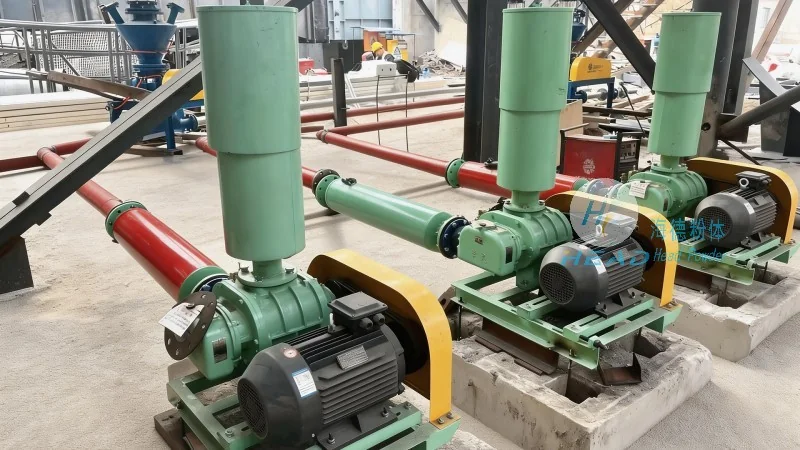
Company Profile: Shandong HeadPowder Engineering Co., Ltd.
HeadPowder, the professional manufacturer of light calcium powder pneumatic conveying equipment, is a leading company in the field of material handling solutions. With years of experience and technical expertise, HeadPowder specializes in designing, manufacturing, and supplying high-quality pneumatic conveying systems tailored to the specific needs of light calcium powder applications. The company is committed to delivering innovative and reliable equipment that meets the stringent requirements of the industry.
Key Components of Light Calcium Powder Pneumatic Conveying Equipment
The light calcium powder pneumatic conveying system typically consists of several key components that work in harmony to achieve efficient material transport. The main components include the hopper, feeder, air compressor, pipeline system, and receiver. Each component plays a vital role in the overall operation of the system.
The Hopper and Feeder
The hopper is the storage container where light calcium powder is loaded before being conveyed. It is designed with a conical or rectangular shape to ensure uniform material flow. The feeder, usually a rotary valve or a screw feeder, is responsible for controlling the flow rate of the powder from the hopper into the pipeline. The feeder is crucial for maintaining a consistent flow of material, preventing blockages, and ensuring smooth operation of the conveying system.
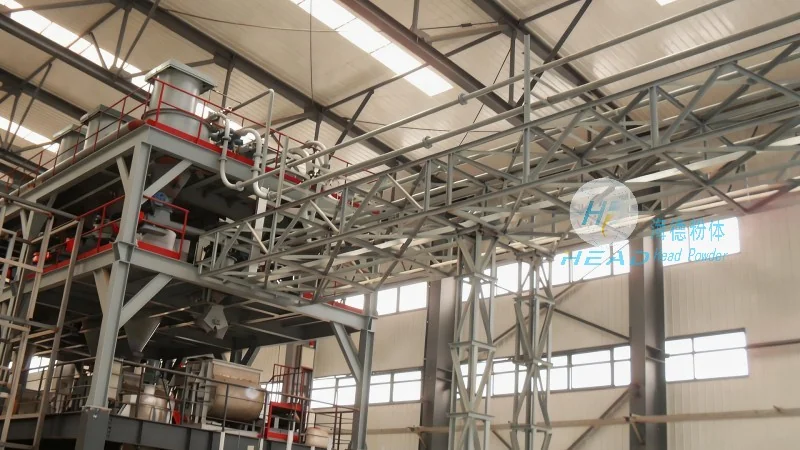
The Air Compressor and Pipeline System
The air compressor is the heart of the pneumatic conveying system, providing the necessary pressure and airflow to transport the light calcium powder. It generates compressed air that is then distributed through the pipeline system. The pipeline system consists of pipes, elbows, and other fittings that connect the hopper, feeder, and receiver. The design of the pipeline is critical to ensure minimal pressure loss and efficient material transport. Properly sized and configured pipelines are essential to maintain the required airflow and pressure levels throughout the conveying process.
The Receiver and Dust Collection
The receiver is the final component of the pneumatic conveying system where the light calcium powder is deposited after being transported through the pipeline. It is typically a storage tank or a container designed to collect the material. To ensure a clean and safe operation, dust collection systems are often integrated with the receiver. These systems capture any airborne particles and return them to the hopper or filter them out, preventing dust contamination and maintaining a clean working environment.
Working Principle of Light Calcium Powder Pneumatic Conveying
The working principle of the light calcium powder pneumatic conveying system involves the use of compressed air to create a flow of material through the pipeline. When the feeder opens, light calcium powder is introduced into the pipeline along with the compressed air. The air flow carries the powder particles through the pipeline, overcoming the gravitational force and any resistance in the system. The velocity of the air and the size of the powder particles determine the conveying efficiency. Properly designed systems ensure that the powder is transported at a consistent velocity, minimizing the risk of particle separation or blockages.
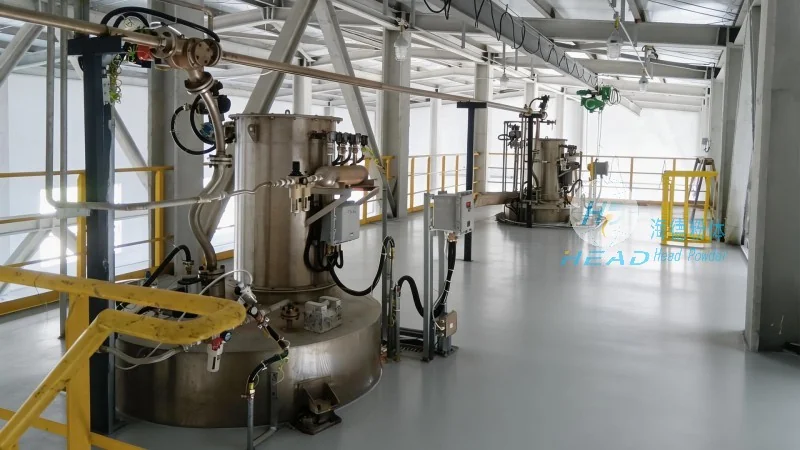
Advantages of Light Calcium Powder Pneumatic Conveying Equipment
Light calcium powder pneumatic conveying equipment offers several advantages over traditional conveying methods. Firstly, it provides a dust-free and clean operation, which is essential for maintaining product quality and meeting environmental regulations. Secondly, the system is flexible and can be easily integrated into existing production lines, allowing for changes in material flow or process requirements. Thirdly, the equipment is relatively low-cost to install and maintain compared to other conveying methods, making it an economical choice for light calcium powder handling. Additionally, the system can handle a wide range of powder characteristics, including different particle sizes and moisture contents, making it versatile for various applications.
Applications of Light Calcium Powder Pneumatic Conveying
Light calcium powder pneumatic conveying equipment is widely used in various industries where light calcium powder is a key component. In the construction industry, it is used for transporting light calcium powder to concrete mixing plants and other construction sites. In the chemical industry, it is used for conveying light calcium powder in the production of various chemicals and coatings. In the food processing industry, it is used for handling light calcium powder in the production of food products, ensuring a hygienic and safe operation. The versatility of the system makes it suitable for a wide range of applications, from small-scale operations to large industrial plants.
Conclusion
Light calcium powder pneumatic conveying equipment is an essential component in the efficient handling of light calcium powder. The system's structure and working principle are designed to ensure reliable and efficient material transport. With the expertise of companies like Shandong HeadPowder Engineering Co., Ltd., manufacturers can provide high-quality equipment tailored to the specific needs of their clients. The advantages of pneumatic conveying, including dust-free operation, flexibility, and cost-effectiveness, make it a preferred choice for light calcium powder handling. As the demand for light calcium powder continues to grow, the importance of efficient conveying systems will remain critical in maintaining production efficiency and product quality.