

Introduction to Caustic Soda Pulverizer Pneumatic Conveying Equipment and Structural Principles
Caustic soda, also known as sodium hydroxide, is a critical chemical in various industrial processes, and efficient handling of its powdered form is essential for maintaining productivity and safety. The pneumatic conveying equipment designed for caustic soda pulverizers plays a pivotal role in transporting this material from storage to processing units. This article provides an overview of the caustic soda pulverizer pneumatic conveying equipment, detailing its structural components and operational principles.
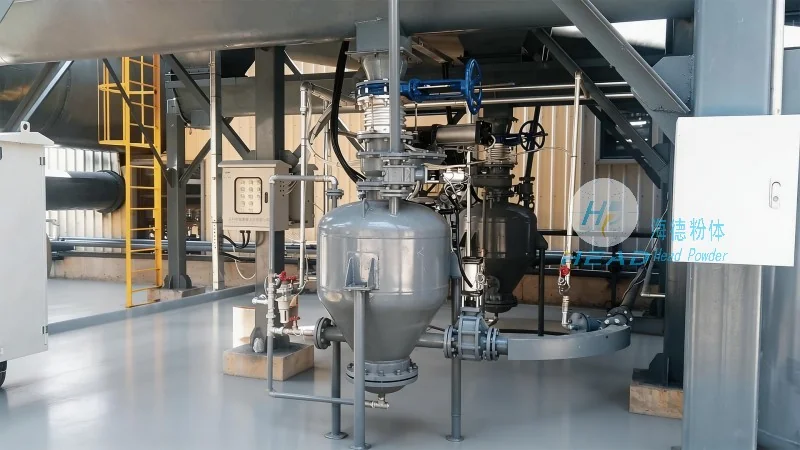
Overview of Caustic Soda Pulverizer Pneumatic Conveying Equipment
The caustic soda pulverizer pneumatic conveying system is engineered to handle the unique properties of sodium hydroxide powder, ensuring reliable and safe material transport. As a specialized solution from Shandong HeadPowder Engineering Co., Ltd., this equipment integrates advanced design and robust construction to meet the demands of industrial applications. The system is tailored to maintain the integrity of the caustic soda powder, preventing caking, agglomeration, or degradation during transport.
Key Structural Components of the Pneumatic Conveying System
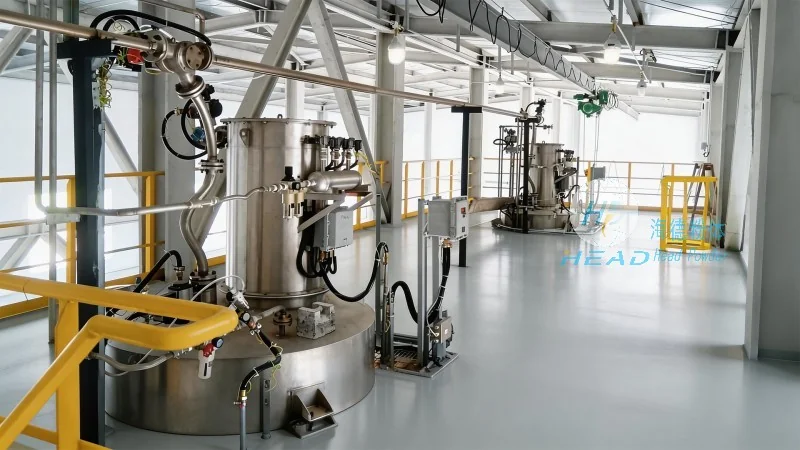
The caustic soda pneumatic conveying equipment comprises several critical components that work in tandem to facilitate efficient material transfer. These include the hopper for material storage, a rotary valve for controlled discharge, a conveying line with appropriate ductwork, and a dust collection system to ensure environmental compliance. The hopper is designed with a sloped bottom to minimize material bridging and ensure smooth flow. The rotary valve acts as a gate, regulating the flow rate of the caustic soda powder into the conveying line. The conveying line is typically made of corrosion-resistant materials, such as stainless steel, to withstand the chemical properties of sodium hydroxide. The dust collection system, often equipped with filters, captures any airborne particles, maintaining air quality and preventing contamination.
Operational Principles and Working Mechanism
The pneumatic conveying process for caustic soda pulverizers operates on the principle of air movement to transport the material. The system uses a blower or compressor to generate airflow within the conveying line. As the air flows through the line, it picks up the caustic soda powder from the hopper and transports it to the destination point. The velocity of the air is carefully controlled to ensure that the powder is carried without causing excessive wear or degradation. The system may employ different conveying modes, such as dilute phase or dense phase, depending on the application requirements. Dilute phase conveying uses higher air velocities to transport the powder in a suspended state, while dense phase conveying uses lower velocities to move the material in a slurry-like state, reducing the risk of particle breakage.
Advantages of Using Pneumatic Conveying for Caustic Soda Handling
Implementing a pneumatic conveying system for caustic soda pulverizers offers several advantages over traditional methods like bucket elevators or belt conveyors. Firstly, it eliminates the need for mechanical contact with the material, reducing the risk of contamination and equipment wear. Secondly, the system provides a closed-loop operation, minimizing dust emissions and improving workplace safety. Thirdly, it offers flexibility in layout, allowing for the integration of multiple processing units without the need for extensive reconfiguration. Additionally, the system can be easily scaled to accommodate varying production volumes, making it suitable for both small-scale and large-scale industrial operations.
Application Scenarios and Industrial Use Cases
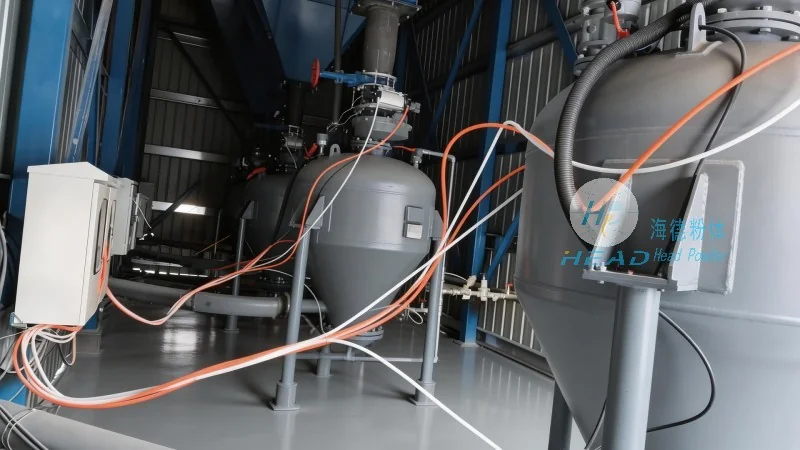
The caustic soda pneumatic conveying equipment is widely used in various industries where sodium hydroxide is a key raw material. In the chemical industry, it is employed in the production of soaps, detergents, and other alkaline products. In the paper industry, it is used for pulp processing and bleaching. The food industry also utilizes caustic soda in the processing of certain food products, and the textile industry employs it in fabric treatment. The versatility of the pneumatic conveying system makes it adaptable to these diverse applications, ensuring efficient material handling across different sectors.
Maintenance and Operational Considerations
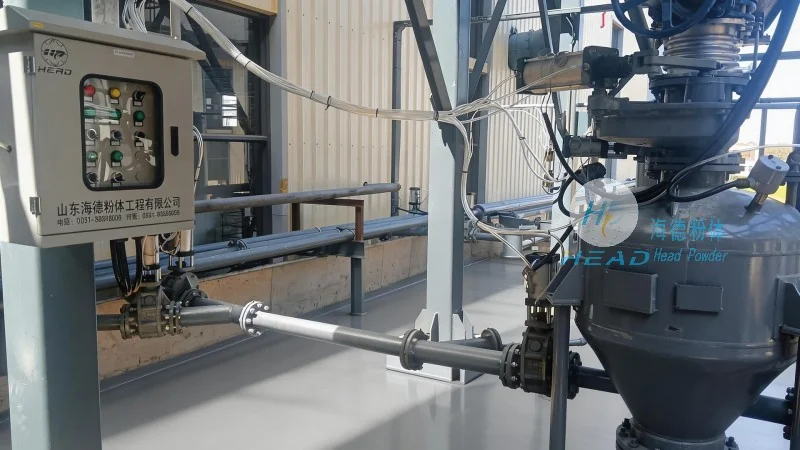
To ensure the longevity and optimal performance of the caustic soda pneumatic conveying equipment, regular maintenance is essential. This includes inspecting the hopper and rotary valve for any signs of wear or blockage, cleaning the conveying line to prevent buildup, and checking the blower or compressor for proper operation. The system should also be equipped with appropriate safety features, such as pressure relief valves and dust explosion suppression systems, to mitigate potential hazards. Proper training of operators on the safe operation of the equipment is crucial to prevent accidents and ensure compliance with industrial safety standards.
About Shandong HeadPowder Engineering Co., Ltd.
Shandong HeadPowder Engineering Co., Ltd., operating under the brand name headpowder, is a leading manufacturer of specialized equipment for handling caustic soda and other chemical powders. With a focus on innovation and quality, the company provides comprehensive solutions tailored to the unique needs of industrial clients. HeadPowder's commitment to excellence is reflected in the robust design and reliable performance of its pneumatic conveying equipment, which has been trusted by clients across various industries. The company's headquarters is located in Shandong, China, where it continues to develop and enhance its product offerings to meet the evolving demands of the chemical processing sector.