

Common Ammonium Bicarbonate Conveying Methods: Advantages and Features of HeadPowder's Pneumatic Conveying System
Ammonium bicarbonate, a widely used chemical in industrial applications, presents unique challenges during material handling and transportation. Its hygroscopic nature, tendency to cake, and potential for dust generation make traditional conveying methods less effective. This article explores common ammonium bicarbonate conveying approaches and highlights the advantages of HeadPowder's pneumatic conveying solutions, designed to address these challenges efficiently.
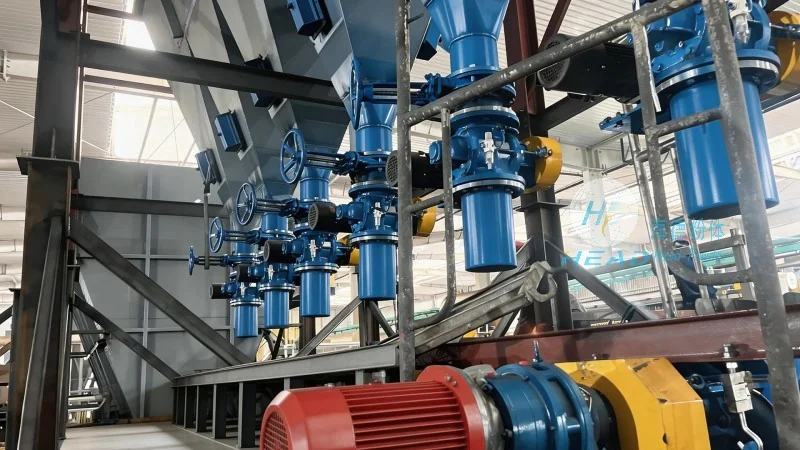
Common Conveying Methods for Ammonium Bicarbonate
Several conventional methods are employed to transport ammonium bicarbonate, each with distinct advantages and limitations. The selection of a method often depends on factors such as material flow rate, distance, and the specific requirements of the application.
1. Gravity Flow: This method relies on the material's weight to move it down a sloped pipe or chute. While simple and low-cost, gravity flow is limited by the need for a steep incline and is unsuitable for long distances or when the material is prone to caking. It also requires careful design to prevent blockages and ensure consistent flow.
2. Mechanical Conveyors: Including belt conveyors, screw conveyors, and bucket elevators, mechanical systems use moving parts to transport the material. Belt conveyors are effective for horizontal or slight incline transport but can cause wear and tear on the material due to friction. Screw conveyors are suitable for vertical or inclined transport but may lead to material degradation or blockages if the material is sticky or prone to caking. These systems often require regular maintenance and may not handle dust or fine particles well.
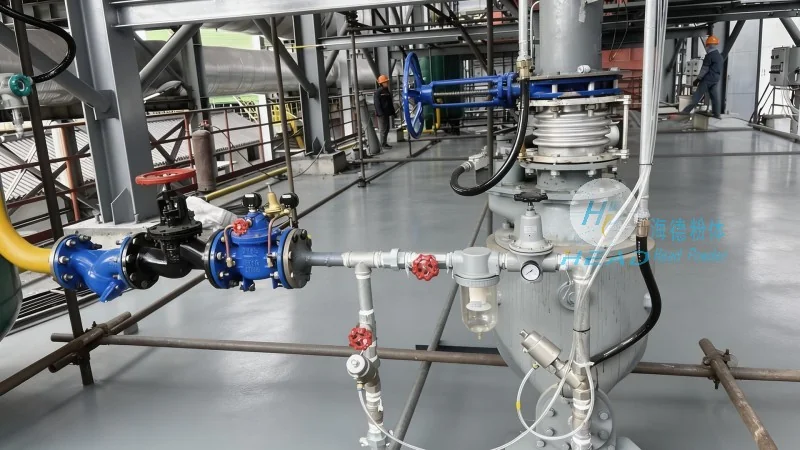
3. Liquid Transfer: In some cases, ammonium bicarbonate is dissolved or suspended in water and pumped through pipelines. This method is useful for long-distance transport but introduces additional steps for separation and drying, increasing complexity and potential for contamination. It also poses environmental and safety risks due to the handling of liquids and the need for corrosion-resistant equipment.
HeadPowder's Pneumatic Conveying System: Advantages and Features
HeadPowder, a leading manufacturer of specialized material handling equipment, offers advanced pneumatic conveying systems tailored to the unique properties of ammonium bicarbonate. The company's solutions are designed to overcome the limitations of traditional methods while ensuring high efficiency, safety, and reliability.
At the core of HeadPowder's pneumatic conveying system is a combination of positive displacement blowers or rotary lobe compressors, which generate the necessary air pressure to transport the material. The system includes a series of stainless steel or corrosion-resistant pipes, designed to withstand the chemical properties of ammonium bicarbonate, and equipped with inline filters to prevent dust accumulation and maintain system performance.
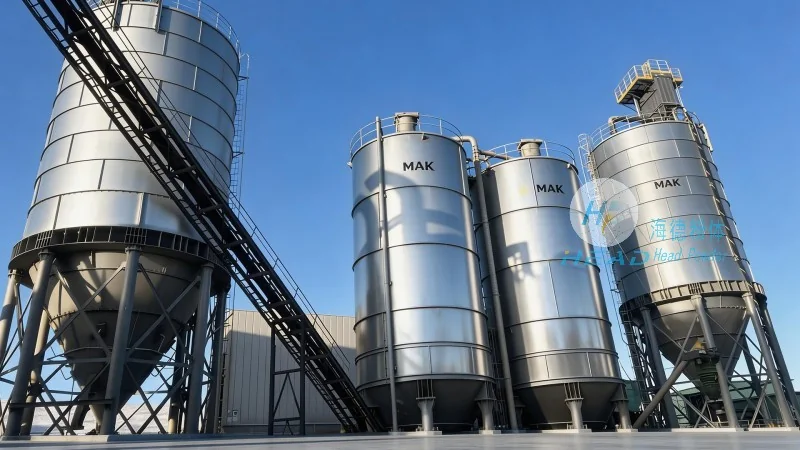
One of the key advantages of HeadPowder's pneumatic conveying system is its ability to handle the hygroscopic and caking nature of ammonium bicarbonate. The system uses a combination of air velocity and pressure to keep the material in a fluidized state, preventing blockages and ensuring consistent flow. This results in higher throughput compared to mechanical or gravity-based systems, making it ideal for high-volume applications.
Another significant benefit is the reduced risk of dust generation and exposure. Pneumatic conveying systems are enclosed, minimizing the release of fine particles into the environment and improving workplace safety. This is particularly important for ammonium bicarbonate, which can be a respiratory irritant if inhaled. The system also includes dust collection and filtration components, ensuring compliance with environmental regulations and maintaining a clean working environment.
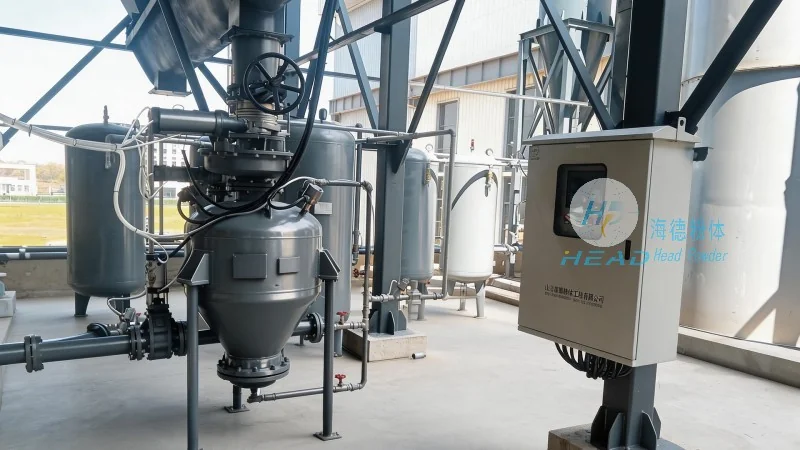
HeadPowder's pneumatic conveying solutions are highly customizable, allowing for integration with existing production lines and adaptation to specific site conditions. The company provides comprehensive support, including system design, installation, and maintenance services, ensuring that clients receive a tailored solution that meets their operational needs. With a focus on durability and low maintenance, the systems are engineered to deliver long-term performance and cost savings.
Conclusion: Choosing the Right Conveying Solution for Ammonium Bicarbonate
When selecting a conveying method for ammonium bicarbonate, it is essential to consider the material's properties and the specific requirements of the application. While traditional methods like gravity flow or mechanical conveyors may be suitable for low-volume or short-distance transport, they often fall short in terms of efficiency, safety, and environmental impact. HeadPowder's pneumatic conveying system offers a superior alternative, combining advanced technology with robust design to address the unique challenges of ammonium bicarbonate handling.
By leveraging the advantages of pneumatic transport, such as high efficiency, dust control, and adaptability, HeadPowder's solutions help industrial clients optimize their material handling processes, reduce operational costs, and enhance workplace safety. With a commitment to quality and innovation, HeadPowder continues to be a trusted partner in providing effective and reliable conveying solutions for ammonium bicarbonate and other challenging materials.