

Common Dry Powder Mortar Delivery Methods: Advantages and Features of HeadPowder's Pneumatic Conveying System
Dry powder mortar, a fundamental component in modern construction and building projects, necessitates efficient and reliable delivery systems to ensure consistent quality and performance. The selection of an appropriate delivery method is critical as it directly impacts the overall efficiency of mortar production and application processes. Commonly employed methods include pneumatic conveying, mechanical conveying (such as screw conveyors and belt conveyors), and gravity-based systems. Each method presents distinct advantages and limitations, making the choice a strategic decision for construction and manufacturing industries aiming to optimize their operations.
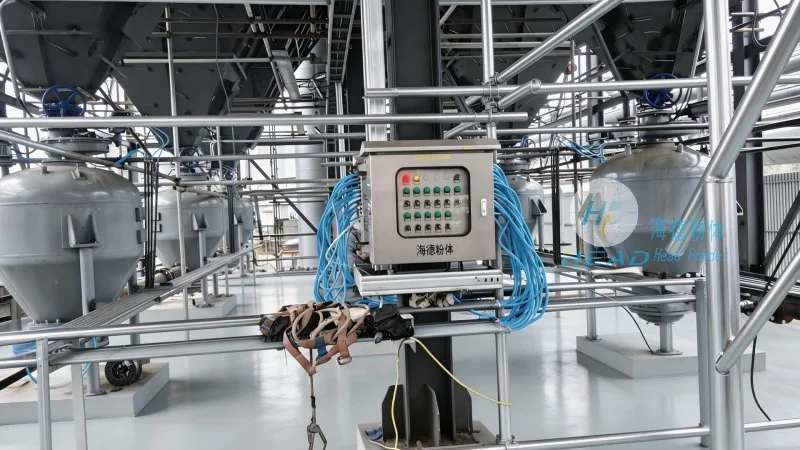
HeadPowder's Pneumatic Conveying System: A Leading Solution
HeadPowder, a prominent manufacturer in the dry powder mortar sector, specializes in delivering advanced pneumatic conveying solutions tailored to the unique demands of mortar production. The company, operating under the brand name headpowder, is headquartered in Shandong, China, and has built a reputation as a trusted partner for businesses seeking high-performance delivery systems. Their pneumatic conveying system is engineered to address the challenges associated with transporting dry powder materials, offering superior control, efficiency, and durability. By leveraging compressed air as the primary transport medium, the system provides a flexible and effective means of moving mortar components from storage to mixing and application stages.
Key Advantages of HeadPowder's Pneumatic Conveying Technology
HeadPowder's pneumatic conveying system offers several key advantages that enhance the overall performance of dry powder mortar delivery. Firstly, the system utilizes compressed air to transport materials, eliminating the need for mechanical components that can wear out over time. This results in lower maintenance costs and increased operational reliability, as there are fewer moving parts to maintain. Secondly, the system provides precise control over material flow, allowing for consistent dosing and mixing, which is essential for maintaining the quality of mortar products. The ability to regulate air pressure and flow rates ensures that the material is transported at optimal speeds, preventing degradation or clogging. Additionally, the design of the system minimizes material degradation and contamination, ensuring that the final mortar meets stringent quality standards. The system's air filtration and moisture control features further protect the material from external elements, preserving its integrity throughout the transport process.
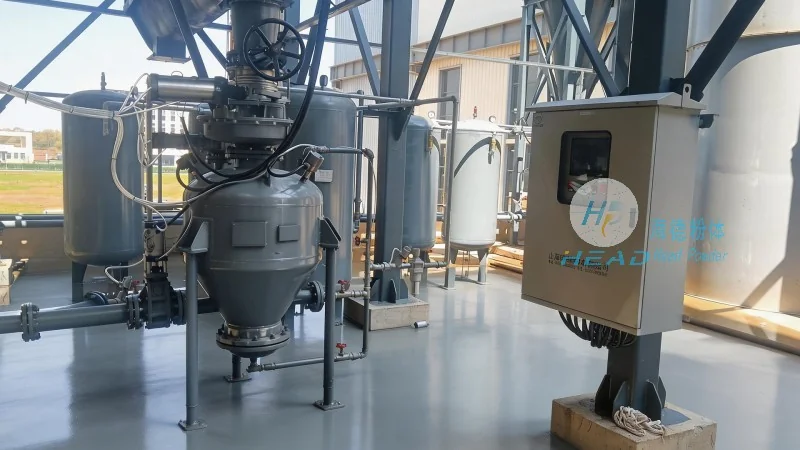
Enhanced Efficiency and Cost-Effectiveness
One of the primary benefits of HeadPowder's pneumatic conveying system is its ability to improve operational efficiency and reduce costs. By automating the material transport process, the system reduces labor requirements and minimizes downtime associated with manual handling. The system's ability to handle large volumes of material at high speeds further enhances productivity, making it an ideal choice for high-volume production facilities. For example, in a large-scale mortar production plant, the system can transport thousands of kilograms of dry powder per hour, significantly increasing throughput compared to traditional mechanical methods. Furthermore, the reduced need for maintenance and replacement parts contributes to long-term cost savings. The durability of the system's components, such as the air pipes and valves, reduces the frequency of repairs and replacements, lowering operational expenses over the system's lifespan. This cost-effectiveness makes the system a financially viable option for businesses in the dry powder mortar sector, especially those operating on tight budgets or seeking to maximize their return on investment.
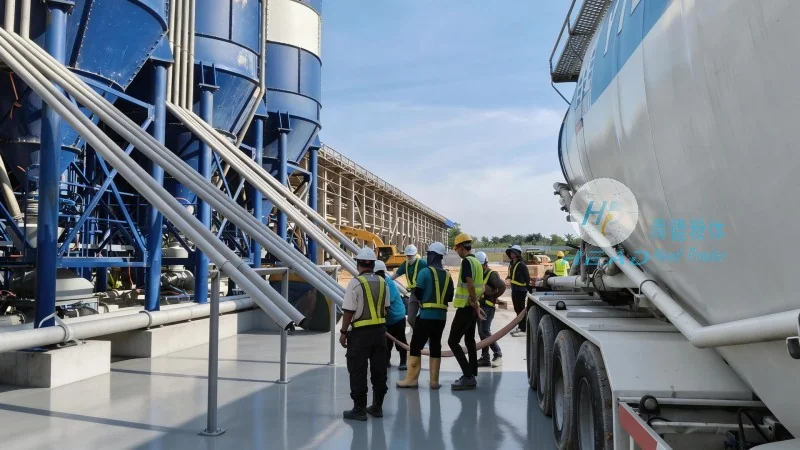
Reliability and Durability in Construction Environments
HeadPowder's pneumatic conveying system is engineered to withstand the demanding conditions of construction and manufacturing environments. The materials used in the construction of the system are selected for their resistance to corrosion, wear, and abrasion, ensuring long-term durability. The system's design incorporates features such as robust metal construction and high-quality seals, which prevent damage from exposure to moisture, dust, and other environmental factors. The use of stainless steel or corrosion-resistant alloys in critical components further enhances the system's longevity. Additionally, the system's air filtration and pressure regulation mechanisms ensure stable operation under varying conditions, preventing fluctuations that could affect material transport. This reliability is crucial for maintaining consistent product quality and meeting the strict standards of the construction industry. Clients can rely on the system to operate continuously without frequent interruptions, ensuring that production schedules are met and project timelines are adhered to.
Customization and Scalability for Diverse Applications
HeadPowder understands that different construction projects and production facilities have varying requirements. Therefore, their pneumatic conveying system is designed to be customizable and scalable, allowing businesses to adapt the system to their specific needs. Whether for small-scale mortar production in a local construction site or large industrial applications in a manufacturing plant, the system can be configured to handle different material types, flow rates, and pressure requirements. The system's modular design enables easy integration with existing production lines, minimizing installation time and costs. For instance, a client can add or remove components such as air compressors, material hoppers, or conveying lines to adjust the system's capacity. This flexibility ensures that clients receive a tailored solution that maximizes efficiency and performance, regardless of the scale of their operations. HeadPowder's team of engineers works closely with clients to assess their specific needs and design a system that meets their requirements, ensuring optimal performance and satisfaction.