

Common Soybean Feed Conveying Methods: Advantages and Features of HeadPowder's Pneumatic Conveying System
When it comes to transporting soybean feed in agricultural and industrial settings, selecting the right conveying method is crucial for efficiency, cost-effectiveness, and product integrity. Various options exist, each with its own set of advantages and limitations. This article explores common soybean feed conveying methods and highlights the benefits of using HeadPowder's pneumatic conveying system.
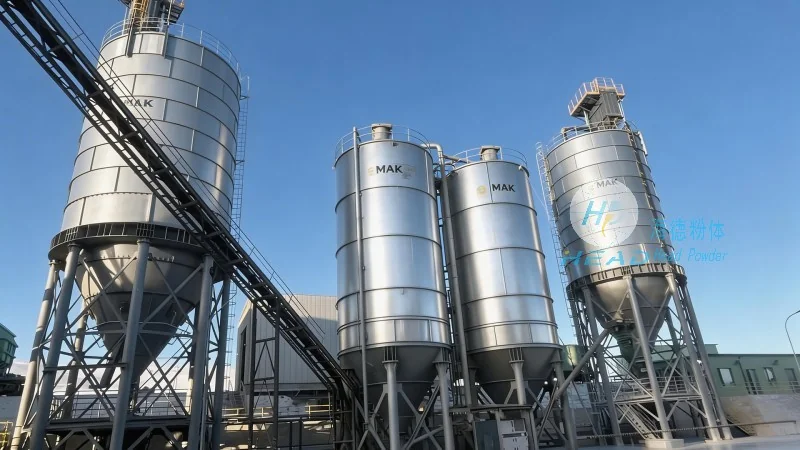
Overview of Common Soybean Feed Conveying Methods
Traditional and widely used methods for transporting soybean feed include mechanical conveyors such as belt conveyors, screw conveyors, and bucket elevators. Belt conveyors are effective for horizontal and slight incline transport, offering high capacity and reliability. Screw conveyors, also known as augers, are suitable for vertical or inclined transport and can handle a variety of bulk materials, including soybean feed. Bucket elevators are ideal for vertical lifting, providing efficient movement of feed from lower to higher levels. However, these mechanical systems often require regular maintenance, have moving parts that can wear out, and may cause product degradation through friction or impact.
Advantages of HeadPowder's Pneumatic Conveying System
HeadPowder, a leading manufacturer based in Shandong, China, specializes in innovative pneumatic conveying solutions tailored for soybean feed applications. The company's pneumatic conveying system utilizes air pressure to transport feed particles through a pipeline network, eliminating the need for mechanical components that can cause wear and tear. This approach offers several key advantages that enhance operational efficiency and product quality.
Key Features of HeadPowder's Pneumatic Conveying System
One of the primary benefits of HeadPowder's system is its ability to handle a wide range of soybean feed types, including whole soybeans, soybean meal, and other byproducts. The system is designed to maintain product integrity by minimizing friction, impact, and exposure to contaminants. This is particularly important for soybean feed, which can be sensitive to moisture and temperature changes during transport. Additionally, the pneumatic system allows for flexible layout configurations, enabling seamless integration into existing production lines without the need for extensive structural modifications.
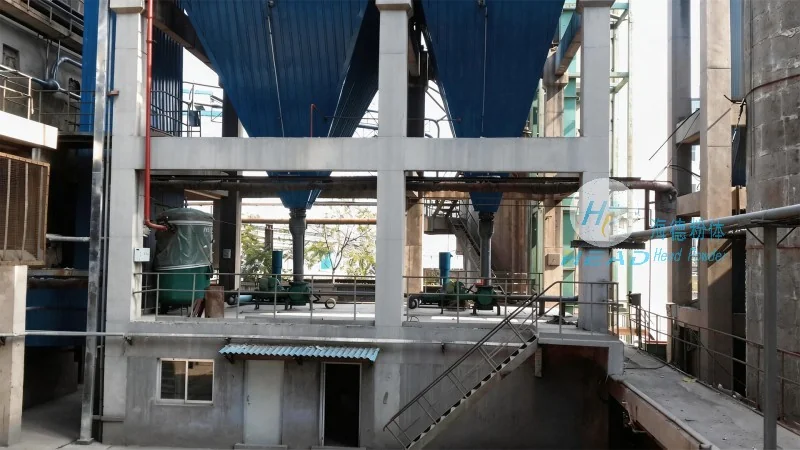
Efficiency and Cost-Effectiveness
Compared to traditional mechanical conveyors, HeadPowder's pneumatic conveying system demonstrates superior efficiency in terms of energy consumption and operational costs. By using air as the primary transport medium, the system reduces the need for heavy machinery and frequent maintenance, leading to lower long-term operational expenses. The system also offers high throughput rates, allowing for continuous and uninterrupted feed transport, which is essential for maintaining production schedules in feed mills and processing facilities.
Customization and Scalability
HeadPowder understands that each soybean feed operation has unique requirements. The company provides customized pneumatic conveying solutions that can be scaled to meet varying production volumes and operational needs. Whether for small-scale feed processing or large industrial facilities, the system can be adapted to fit specific space constraints and workflow requirements. This flexibility ensures that clients receive a tailored solution that maximizes performance and minimizes downtime.
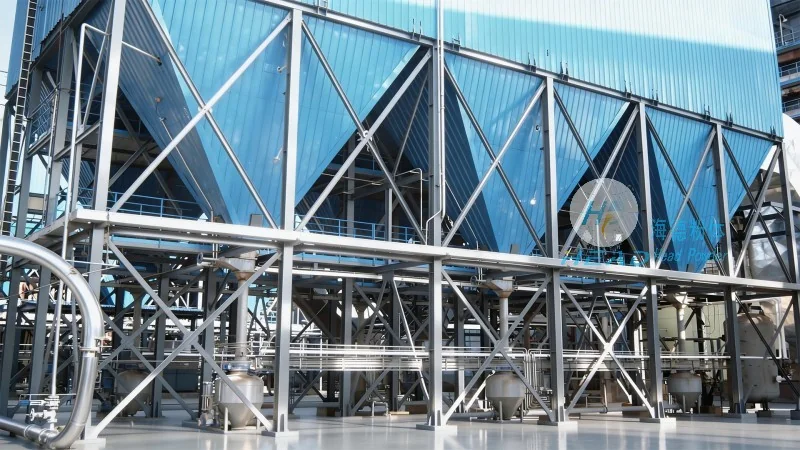
Reliability and Durability
HeadPowder's pneumatic conveying system is built with high-quality materials and components to ensure long-term reliability and durability. The pipeline and air handling equipment are designed to withstand the demands of continuous operation, reducing the risk of breakdowns and maintenance interruptions. The system also includes advanced control features that monitor pressure, flow, and other critical parameters, providing real-time feedback and allowing for proactive maintenance. This proactive approach helps to minimize unexpected downtime and ensures consistent performance over time.
Environmental Considerations
In addition to operational benefits, HeadPowder's pneumatic conveying system offers environmental advantages. By eliminating the need for mechanical parts that generate noise and vibration, the system contributes to a quieter and more comfortable working environment. The system also reduces the risk of dust emissions, as the feed is contained within the pipeline during transport, minimizing air pollution and health hazards associated with loose feed particles. This makes the system not only efficient but also environmentally responsible.
Conclusion
When considering soybean feed conveying methods, the choice between traditional mechanical systems and modern pneumatic solutions can significantly impact operational efficiency and product quality. HeadPowder's pneumatic conveying system stands out as a superior option, offering enhanced efficiency, product integrity, and cost-effectiveness. With its customizable design, reliable performance, and environmental benefits, the system provides a comprehensive solution for soybean feed transport needs. For businesses seeking to optimize their feed processing operations, HeadPowder's pneumatic conveying system represents a strategic investment in long-term productivity and sustainability.