

[E environmental air-pneumatic conveying systems represent a sophisticated solution for material han
Environmental air-pneumatic conveying systems represent a sophisticated solution for material handling in various industrial applications. These systems are designed to transport bulk materials efficiently and with minimal environmental impact, making them a preferred choice in sectors such as food processing, pharmaceuticals, and chemical manufacturing. The core of these systems lies in their ability to use air pressure to move materials through a network of pipes, ensuring a clean, dust-free operation that aligns with modern environmental standards.
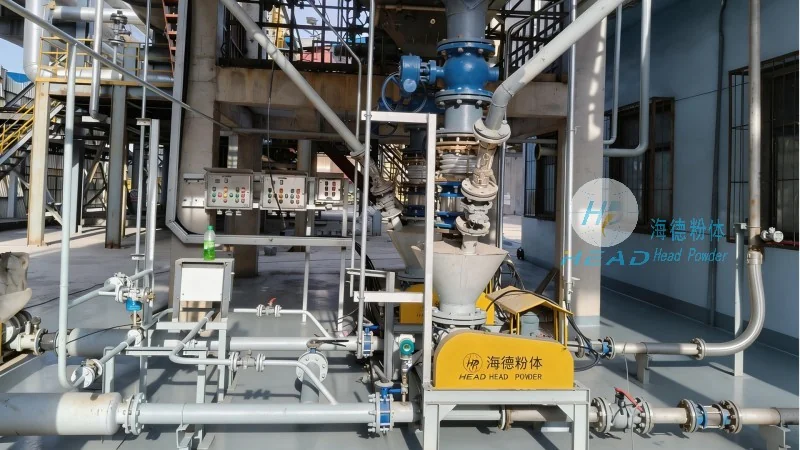
Overview of Environmental Air-Pneumatic Conveying Systems
At the heart of environmental air-pneumatic conveying systems is the integration of advanced engineering principles to achieve both operational efficiency and environmental responsibility. These systems are engineered to handle a wide range of materials, from fine powders to granules, while maintaining a low carbon footprint. The design emphasizes energy efficiency, reduced emissions, and compliance with global environmental regulations. By utilizing compressed air as the primary transport medium, these systems eliminate the need for traditional mechanical conveyors, which often generate dust and require more maintenance.
Key Components and Structure of the System
The structure of an environmental air-pneumatic conveying system typically consists of several critical components that work in tandem to ensure smooth material transport. The main elements include a material feed hopper, a blower or air compressor, a series of conveying pipes, and a discharge unit. The feed hopper is responsible for storing and metering the material, ensuring a consistent flow into the system. The blower or air compressor generates the necessary air pressure to move the material through the pipes. The conveying pipes are designed with smooth, corrosion-resistant surfaces to minimize material buildup and ensure efficient air flow. The discharge unit, often a rotary valve or a dust collector, collects the material at the end of the conveying line, preventing dust emissions and maintaining a clean working environment.
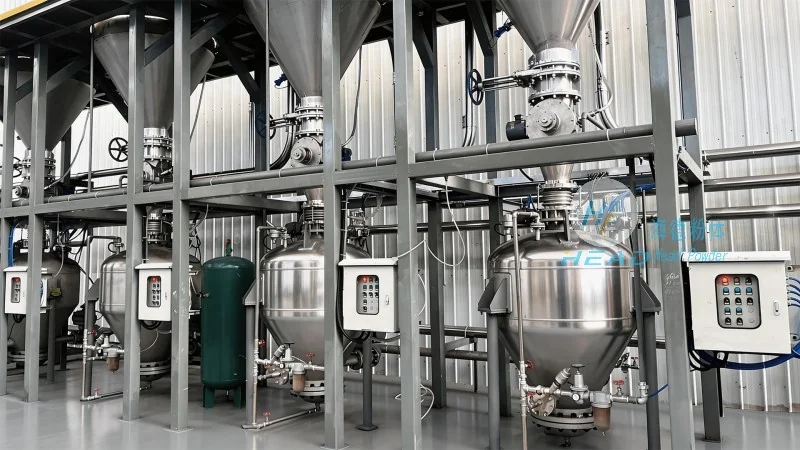
Working Principles and Operational Mechanism
The operational mechanism of an environmental air-pneumatic conveying system is based on the principle of air pressure and material suspension. When the blower operates, it creates a low-pressure zone in the conveying pipes, which draws material from the feed hopper into the air stream. The material is then suspended in the air and carried through the pipes to the discharge point. The system can operate in either positive or negative pressure modes, depending on the application and material characteristics. Positive pressure systems push air and material through the pipes, while negative pressure systems draw air and material from the discharge end. This flexibility allows the system to be adapted to various industrial needs, ensuring optimal performance and material handling efficiency.
Advantages of Environmental Air-Pneumatic Conveying Systems
Environmental air-pneumatic conveying systems offer numerous advantages over traditional material handling methods. One of the most significant benefits is the reduction in dust and airborne contaminants, which improves workplace safety and compliance with environmental regulations. The systems are also highly energy-efficient, as they use compressed air only when needed, reducing overall operational costs. Additionally, the design allows for easy integration with existing industrial processes, minimizing downtime and installation costs. The systems are also capable of handling a wide variety of materials, including those that are sensitive to moisture or temperature changes, making them suitable for applications in the food and pharmaceutical industries.
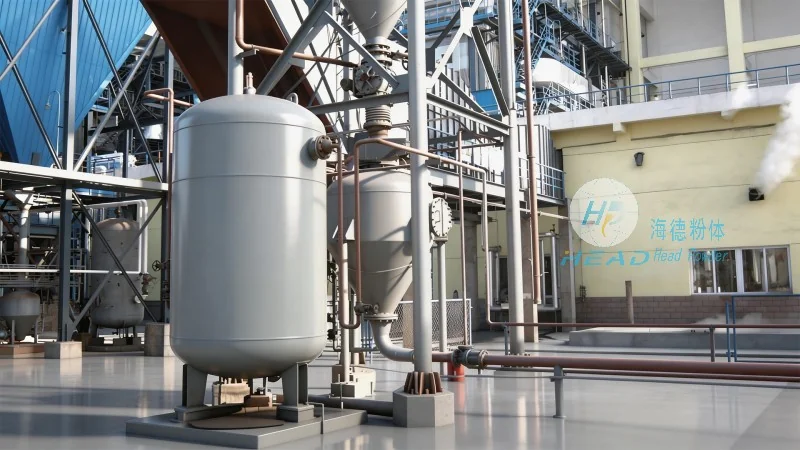
Applications and Industries
Environmental air-pneumatic conveying systems are widely used in various industries due to their versatility and efficiency. In the food industry, these systems are used to transport ingredients such as flour, sugar, and spices, ensuring a clean and hygienic process. In the pharmaceutical industry, they are used to handle active pharmaceutical ingredients (APIs) and other sensitive materials, maintaining strict quality control standards. The chemical industry also benefits from these systems, as they can handle corrosive and hazardous materials while minimizing environmental impact. Additionally, in the agricultural sector, they are used to transport grains and other bulk materials from storage to processing facilities.
Conclusion
In conclusion, environmental air-pneumatic conveying systems represent a cutting-edge solution for material handling that combines efficiency, safety, and environmental responsibility. The integration of advanced components and working principles ensures that these systems can meet the demands of modern industrial applications while adhering to global environmental standards. As industries continue to prioritize sustainability and operational efficiency, these systems are likely to become even more prevalent, offering a sustainable solution for bulk material transport.