

Introduction to Automatic Bag Opening Pneumatic Conveying Lines: Structure and Working Principles
Automatic bag opening pneumatic conveying lines are advanced industrial systems engineered to facilitate the efficient transfer of bulk materials from storage bags to processing equipment. These systems integrate bag opening technology with pneumatic conveying mechanisms, providing a seamless solution for material handling in various industrial applications. The primary objective is to automate the process of unloading bulk bags while ensuring the material is transferred safely, hygienically, and with minimal human intervention. By combining these functions, the system enhances operational efficiency, reduces labor costs, and improves overall productivity in material handling operations.
Key Structural Components and Their Functions
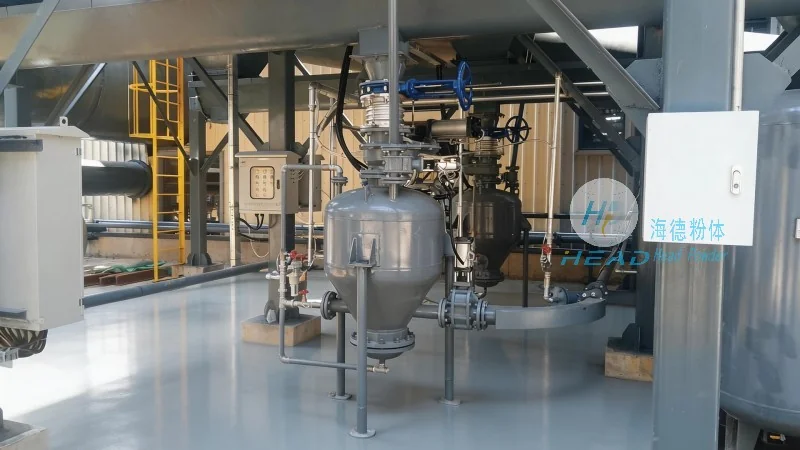
The automatic bag opening pneumatic conveying line comprises several essential components, each playing a critical role in the overall system. The first key component is the bag opening unit, which is responsible for safely and effectively opening the incoming bulk bags (FIBCs). This unit typically includes cutting blades, tearing mechanisms, or vacuum-assisted systems designed to open the bag without damaging the material inside. The opened material then flows into a hopper or feeder, which serves as the transition point between the bag and the pneumatic conveying system. The hopper is equipped with a discharge valve or feeder mechanism to regulate the flow of material into the conveying pipeline.
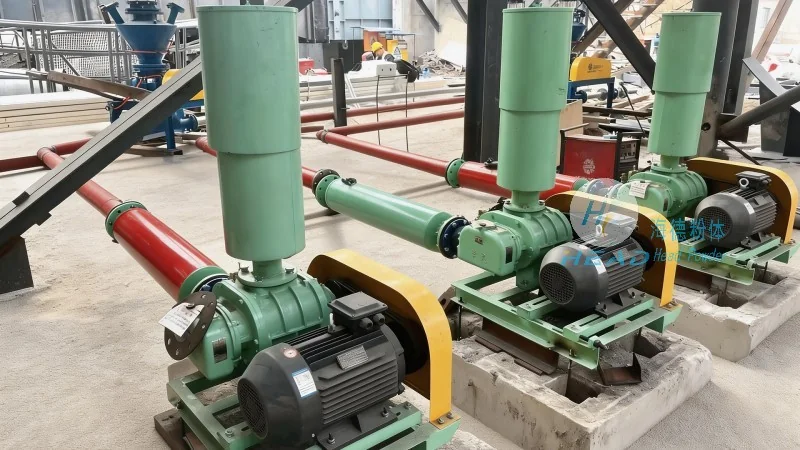
The pneumatic conveying section of the line utilizes air or gas to transport the material through a network of pipes. This may involve either positive pressure systems, where compressed air is forced through the pipeline to push the material, or negative pressure (vacuum) systems, where air is drawn out to pull the material. The choice between these systems depends on factors such as the material's properties, the distance of transfer, and the need for containment. The conveying line includes components like the conveying pipe, airlocks, filters, and dust collectors to ensure the material is transported safely and without spillage or contamination. Airlocks are used to separate the conveying system from the receiving equipment, preventing backflow and maintaining a controlled environment. Filters and dust collectors are essential for capturing and removing any airborne particles, ensuring compliance with environmental regulations and maintaining product purity.
Working Principle and Operational Flow
The operational flow of an automatic bag opening pneumatic conveying line begins with the arrival of a bulk bag at the loading station. The system is equipped with sensors and control mechanisms that detect the bag's presence and initiate the opening process. Once the bag is detected, the control system activates the bag opening mechanism, which safely opens the bag and allows the material to flow into the hopper. From the hopper, the material is fed into the pneumatic conveying system. The conveying system uses air pressure or vacuum to move the material through the pipeline to the destination point, such as a silo, storage tank, or processing equipment. The system is designed to handle a wide range of bulk materials, including powders, granules, and other dry or semi-dry substances, with minimal adjustments required for different material types.
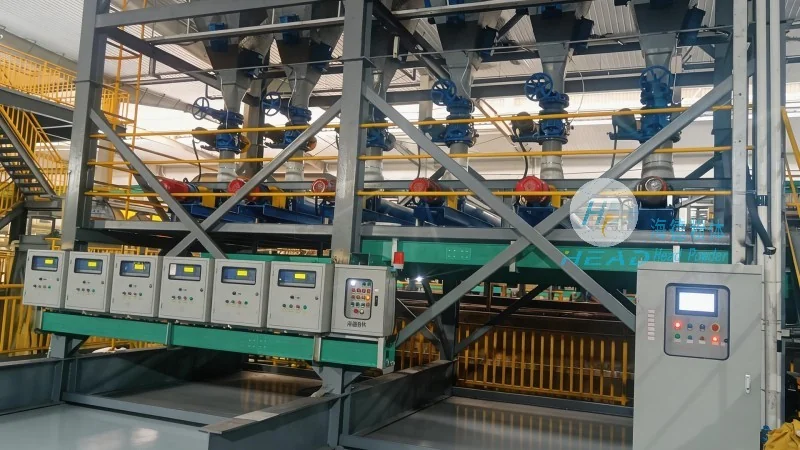
The control system of the line monitors various parameters such as material flow rate, air pressure, and system pressure to ensure optimal operation. It adjusts the air flow and conveying speed as needed to maintain a consistent and efficient transfer process. The system also includes safety features such as emergency stop buttons and overload protection to prevent accidents and equipment damage. Once the material is fully transferred from the bag to the destination, the control system signals the end of the process and prepares for the next bag to be loaded.
Benefits and Applications in Industrial Settings
Automatic bag opening pneumatic conveying lines offer significant advantages in industrial material handling. They reduce labor costs by automating the bag opening and material transfer process, minimizing the need for manual handling of heavy or hazardous bags. The enclosed design of the system prevents dust emissions and contamination, ensuring compliance with environmental regulations and maintaining product quality. Additionally, the system enhances safety by eliminating the risk of manual handling, reducing the likelihood of workplace injuries. These benefits make the system particularly suitable for industries such as food processing, pharmaceuticals, chemicals, and mining, where bulk material handling is a critical part of the production process.
In food processing, for example, the system can handle ingredients like flour, sugar, or spices while maintaining hygiene standards. In pharmaceuticals, it can transfer raw materials or finished products with high precision and minimal contamination. In chemical industries, it can handle various powders and granules, ensuring safe and efficient transfer. The system's ability to handle different material types and its adaptability to various production scales make it a versatile solution for diverse industrial needs.