

Introduction to Vacuum Feeding Pneumatic Conveying Systems: Structure and Working Principles
HeadPowder, a leading manufacturer based in Shandong, China, specializes in the design and production of advanced vacuum feeding pneumatic conveying systems. These systems are engineered to efficiently transport bulk materials from various sources to processing or storage locations. The core technology behind these systems involves the use of vacuum pressure to draw materials into a pipeline, enabling smooth and reliable material handling across different industrial applications.
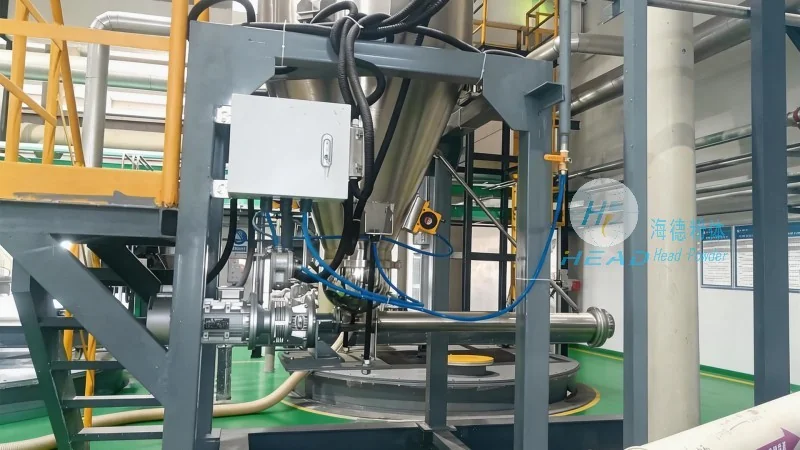
Key Components and Structural Design
The vacuum feeding pneumatic conveying system consists of several critical components that work in tandem to ensure optimal performance. The main parts include a vacuum pump, a material feed hopper, a conveying pipeline, a control system, and a discharge unit. The vacuum pump generates the necessary suction force to draw material from the feed hopper into the pipeline. The feed hopper is designed to hold the bulk material and features a valve mechanism to control the flow rate. The conveying pipeline is typically made of durable materials such as stainless steel or PVC to withstand the pressure and material abrasion. The control system monitors and regulates the vacuum pressure and material flow, ensuring consistent operation. The discharge unit is responsible for releasing the material at the destination point, often equipped with a valve to control the discharge rate.
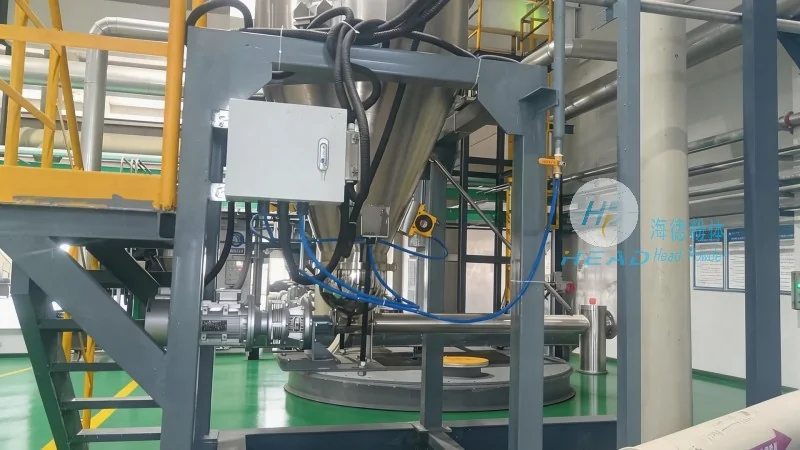
Working Principle of the System
The operation of a vacuum feeding pneumatic conveying system follows a systematic process. Initially, the vacuum pump is activated, creating a low-pressure environment within the pipeline. This pressure differential draws the bulk material from the feed hopper into the pipeline as the material is drawn by the vacuum force. The material is then carried through the pipeline by the airflow generated by the vacuum pump. The conveying process continues until the material reaches the discharge point, where it is released under controlled conditions. The system's efficiency is enhanced by the continuous operation of the vacuum pump, which maintains the necessary suction force throughout the conveying cycle.
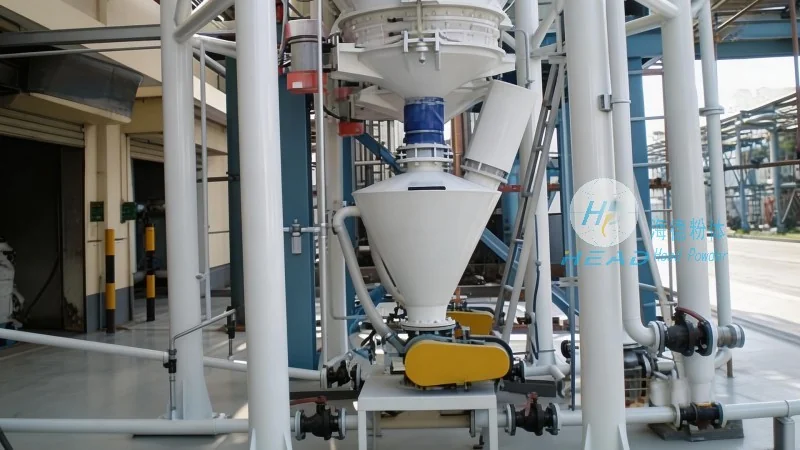
Advantages and Applications
Vacuum feeding pneumatic conveying systems offer numerous advantages over traditional material handling methods. They are particularly suitable for transporting fine powders, granules, and other bulk materials that are prone to dust or require gentle handling. The system's ability to operate in a closed environment helps minimize dust emissions and improves workplace safety. Additionally, the vacuum feeding mechanism allows for precise control over material flow, reducing waste and improving process efficiency. These systems are widely used in industries such as food processing, pharmaceuticals, chemicals, and minerals, where the handling of sensitive materials is critical.
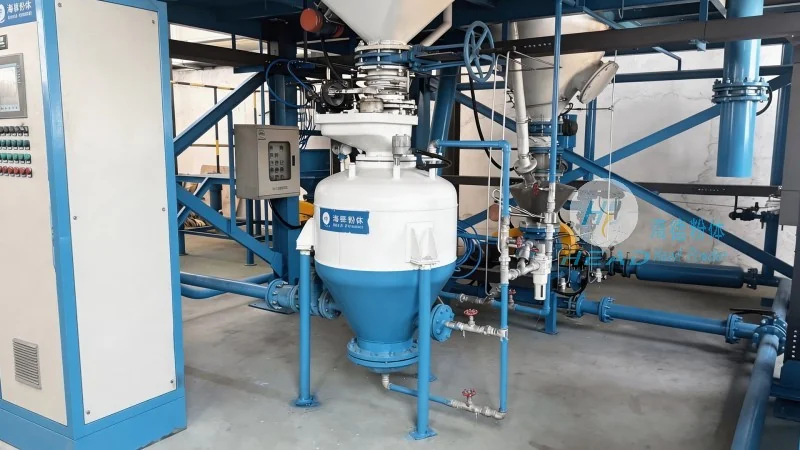
Customization and Maintenance
HeadPowder provides customized solutions tailored to the specific needs of each client. The company's engineers work closely with customers to design systems that meet their unique requirements, including material type, conveying distance, and production capacity. Regular maintenance is essential to ensure the longevity and reliability of the vacuum feeding pneumatic conveying system. HeadPowder offers comprehensive maintenance services, including routine inspections, component replacement, and troubleshooting. By adhering to a regular maintenance schedule, users can maximize the system's performance and minimize downtime.