

Introduction to Stone Aggregate Pneumatic Conveying Systems and Their Structural Principles
Stone aggregate pneumatic conveying systems represent a sophisticated technology used in material handling, particularly for transporting stone aggregates efficiently and reliably. These systems are integral to various industrial applications, offering a solution that minimizes material degradation and operational disruptions compared to traditional methods like belt conveyors or bucket elevators.
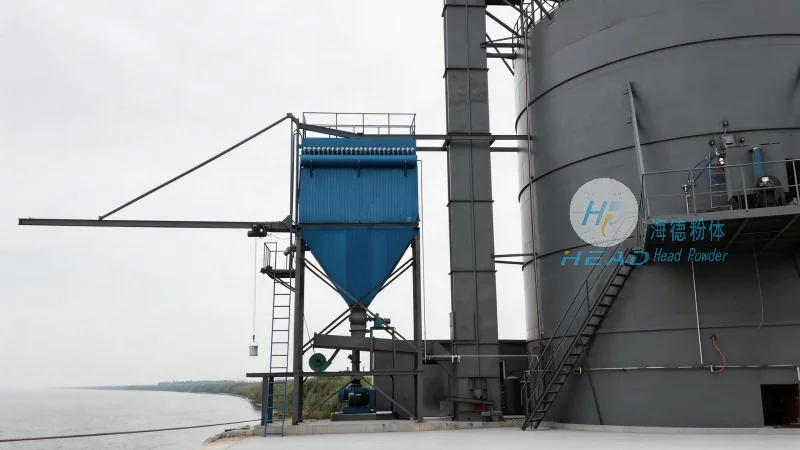
Understanding the Core Components of Pneumatic Conveying Systems
The fundamental structure of a stone aggregate pneumatic conveying system comprises several key components that work in concert to facilitate material transport. At the heart of the system is the conveying line, which can be either positive or negative pressure, depending on the specific application requirements. Positive pressure systems use a blower to force air and material through the pipeline, while negative pressure systems create a vacuum to draw material into the line. The choice between these two types influences system design, energy consumption, and material handling capabilities.
Key Structural Elements and Their Functions
Several critical structural elements define the performance and reliability of a pneumatic conveying system for stone aggregates. The material feed hopper is the initial component where raw stone aggregates are loaded. This hopper typically features a discharge valve or gate to control the flow rate, ensuring a consistent feed into the system. Adjacent to the hopper is the airlock or feeder, which acts as a buffer to prevent air from escaping and to maintain a steady material flow. The feeder may include a rotary valve or a star valve, which regulates the amount of material entering the conveying line.
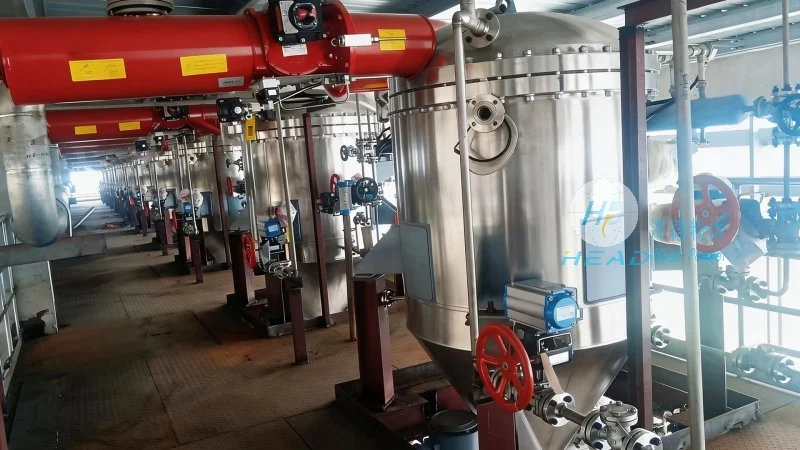
Next in the system is the conveying pipeline, which can be made of stainless steel, carbon steel, or plastic, depending on the material being transported and the operating conditions. The pipeline is designed to withstand the pressure and abrasion caused by the stone aggregates. For long-distance or high-capacity applications, the pipeline may include bends, elbows, or expansion joints to accommodate changes in direction and elevation. The air compressor or vacuum pump provides the necessary air pressure or vacuum to move the material through the pipeline. This component is crucial for maintaining the flow rate and ensuring the material reaches the discharge point without clogging or degradation.
The Role of Control Systems in Operational Efficiency
Modern stone aggregate pneumatic conveying systems incorporate advanced control systems to optimize performance and minimize downtime. These systems typically include sensors and controllers that monitor parameters such as pressure, flow rate, and material level. The control system can adjust the air pressure or vacuum in real-time to maintain a consistent material flow, preventing overloading or underloading of the system. Additionally, the control system may include alarms and safety features to detect and respond to potential issues, such as blockages or pressure spikes, ensuring the system operates safely and efficiently.
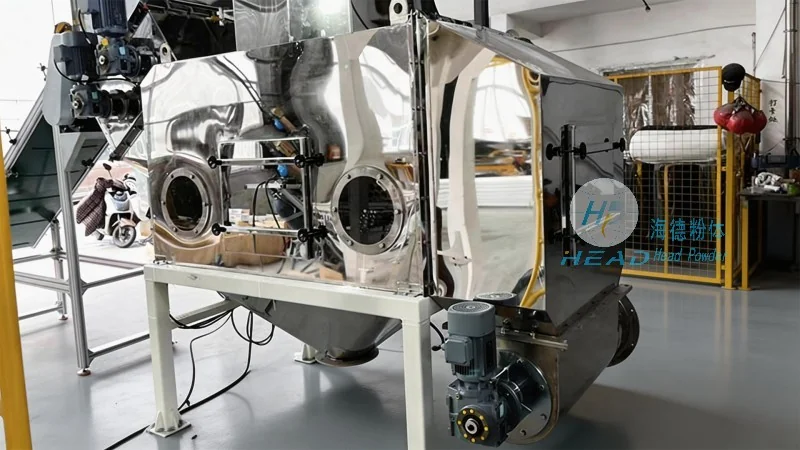
Applications and Benefits in Industrial Settings
Stone aggregate pneumatic conveying systems are widely used in various industrial sectors, including construction, mining, and manufacturing. In the construction industry, these systems are used to transport aggregates from storage silos to mixing plants or concrete production facilities. The benefits of using pneumatic conveying in this context include reduced material handling time, improved safety by eliminating manual handling, and minimized material contamination. In the mining industry, pneumatic conveying is used to transport crushed stone or ore from processing plants to storage or transportation points. The system's ability to handle abrasive materials without causing wear and tear on components makes it ideal for such applications. In manufacturing, pneumatic conveying is used to transport raw materials or finished products between different production stages, improving overall production efficiency.
Maintenance and Longevity of Pneumatic Conveying Systems
Proper maintenance is essential to ensure the longevity and reliability of a stone aggregate pneumatic conveying system. Regular inspection and cleaning of the pipeline and components are necessary to prevent clogging and material buildup. The air compressor or vacuum pump should be checked regularly for wear and tear, and lubricated as needed to maintain optimal performance. The feeder and hopper components should be inspected for wear and replaced as necessary to prevent material leakage or degradation. Additionally, the control system should be tested regularly to ensure it is functioning correctly and can respond to any issues that may arise. By following a regular maintenance schedule, the system can operate efficiently for many years, providing a reliable solution for material handling needs.