

Introduction to Boron Powder Pneumatic Conveying Systems and Their Structural Principles
HeadPowder, a leading engineering company based in Shandong, China, specializes in the design, manufacturing, and installation of advanced pneumatic conveying systems for various industrial applications. This article provides an overview of boron powder pneumatic conveying systems, detailing their structural components and operational principles to help users understand the technology's efficiency and reliability.
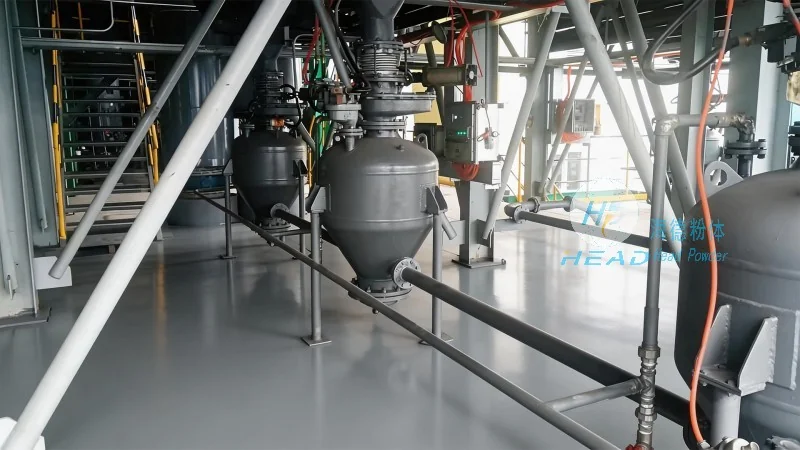
Overview of Boron Powder Pneumatic Conveying Systems
Boron powder, a critical raw material in many industries including metallurgy, chemical processing, and pharmaceuticals, requires specialized handling due to its fine particle size and potential for dust explosion risks. Pneumatic conveying systems offer a safe and efficient method to transport boron powder from storage to processing units, minimizing manual handling and reducing exposure to airborne particles. These systems utilize compressed air or other gases to move the powder through a network of pipes, ensuring a continuous and controlled flow that is essential for maintaining product quality and operational safety.
Structural Components and Operational Principles
A typical boron powder pneumatic conveying system consists of several key components, each playing a crucial role in the overall operation. The primary components include the material feed hopper, which holds the boron powder and regulates the flow into the system; the air compressor or blower, which generates the necessary pressure to move the powder; the conveying pipeline, which transports the powder from the feed point to the destination; and the separation and collection equipment, such as cyclones or filters, which separate the powder from the air at the end of the pipeline.
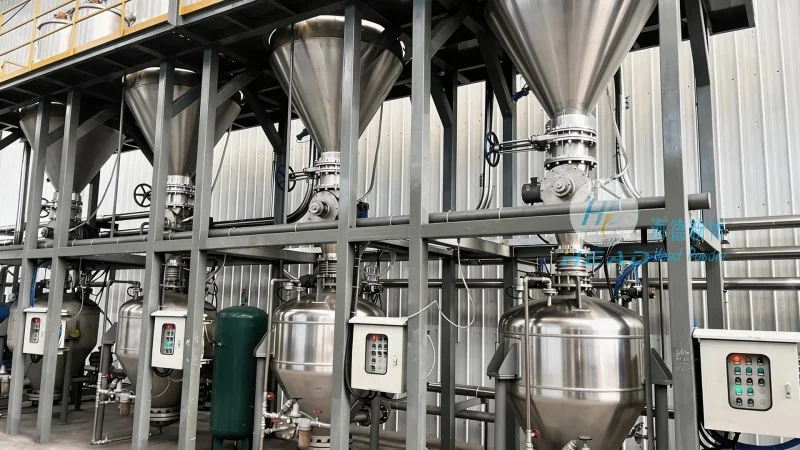
The operational principle of a pneumatic conveying system involves the creation of a low-pressure or high-pressure air stream within the pipeline. When the air is introduced into the material feed hopper, it lifts the boron powder particles and carries them along the pipeline. The velocity of the air is carefully controlled to ensure that the powder particles are suspended and transported without causing excessive wear to the system components. The system may operate in either dilute-phase or dense-phase modes, depending on the specific requirements of the application. Dilute-phase systems use higher air velocities to transport the powder in a dispersed state, while dense-phase systems use lower velocities to create a more concentrated flow, which is often preferred for handling sensitive or abrasive materials like boron powder.
HeadPowder's Expertise in Boron Powder Conveying Solutions
Shandong HeadPowder Engineering Co., Ltd., operating under the brand name HeadPowder, has extensive experience in developing customized pneumatic conveying solutions tailored to the unique needs of boron powder handling. The company's engineering team leverages advanced design software and industry best practices to create systems that optimize material flow, minimize energy consumption, and ensure compliance with safety regulations. HeadPowder's solutions are designed to handle a wide range of boron powder characteristics, including different particle sizes, moisture content, and bulk densities, ensuring consistent performance across various production environments.
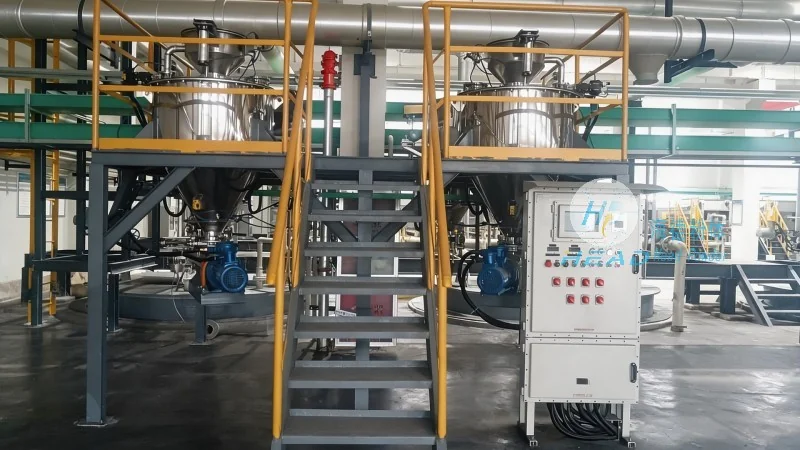
Key Advantages of Boron Powder Pneumatic Conveying Systems
Implementing a pneumatic conveying system for boron powder offers several significant advantages over traditional manual or mechanical conveying methods. First, it significantly reduces the risk of dust explosions by containing the powder within a sealed system. Second, it improves operational efficiency by enabling continuous, automated material transfer, which reduces downtime and labor costs. Third, the system minimizes product contamination and degradation, as the powder is not exposed to external elements or excessive friction during transport. Additionally, pneumatic conveying systems are flexible and can be easily integrated with existing production lines, allowing for scalability as production needs change.
Conclusion
Boron powder pneumatic conveying systems represent a sophisticated and effective solution for the safe and efficient handling of this critical industrial material. With its robust structural design and operational principles, the system ensures reliable performance while adhering to safety standards. HeadPowder, with its expertise and commitment to quality, provides comprehensive solutions that meet the diverse needs of industries relying on boron powder. By understanding the components and principles of these systems, users can make informed decisions about implementing pneumatic conveying technology to enhance their operational efficiency and product safety.