

Pharmaceutical Powder Handling Systems: An Overview of Structure and Working Principles
Pharmaceutical powder handling systems are critical components in the manufacturing and processing of medicinal products. These systems are designed to ensure the safe, efficient, and controlled transport of powders, which is essential for maintaining product quality and consistency in pharmaceutical production. The following overview details the structural components and operational principles of such systems, highlighting their importance in modern pharmaceutical manufacturing.
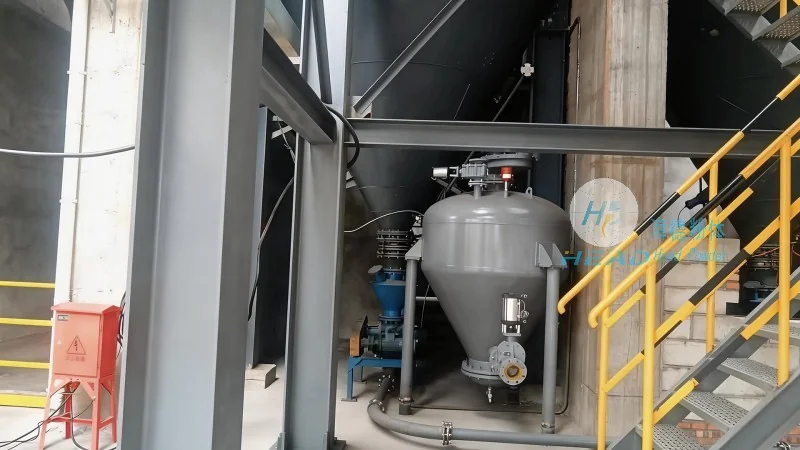
Company Introduction: Shandong HeadPowder Engineering Co., Ltd.
HeadPowder, the professional brand of Shandong HeadPowder Engineering Co., Ltd., specializes in the design, development, and manufacturing of advanced powder handling solutions tailored for the pharmaceutical industry. With a strong commitment to precision engineering and adherence to industry standards, HeadPowder provides reliable systems that meet the stringent requirements of pharmaceutical production. The company is headquartered in Shandong, China, and leverages its expertise to deliver high-quality equipment that enhances operational efficiency and product safety in pharmaceutical facilities.
Key Structural Components of Pharmaceutical Powder Handling Systems
The core structure of a pharmaceutical powder handling system typically includes several essential components that work in tandem to ensure effective powder transport. These components are engineered to maintain the integrity of the powder and prevent contamination, which is paramount in pharmaceutical applications. The primary structural elements include:
1. Powder Hoppers and Feeders: These are the initial components that store and meter the powder. Hoppers are designed with smooth, non-porous surfaces to prevent powder accumulation and ensure consistent flow. Feeders, such as rotary or vibratory types, regulate the powder feed rate to the processing equipment, maintaining a stable and controlled supply.
2. Pneumatic Conveying Systems: Many pharmaceutical powder handling systems utilize pneumatic conveying technology to transport powders over short to medium distances. These systems use air or gas to move the powder through pipes, ensuring minimal product degradation and contamination. The design of the conveying lines, including the use of appropriate pipe materials and flow control devices, is critical to maintaining product quality.
3. Valves and Control Devices: Various types of valves, including rotary, butterfly, and slide valves, are used to control the flow of powder at different points in the system. These valves are often equipped with positioners and sensors to ensure precise control and prevent overfilling or underfilling. Additionally, pressure relief valves and check valves are integrated to protect the system from pressure surges and ensure unidirectional flow.
4. Filtering and Dust Collection Systems: To maintain a clean and safe working environment, pharmaceutical powder handling systems incorporate advanced filtering and dust collection equipment. These systems capture fine powder particles and prevent their release into the atmosphere, complying with regulatory requirements for occupational health and safety. The filters are typically made of high-efficiency materials and are designed to be easily maintained and replaced.
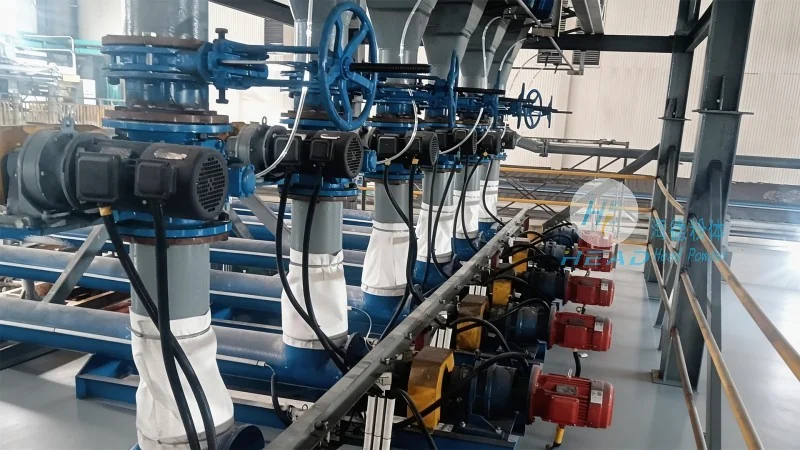
Working Principles of Pharmaceutical Powder Handling Systems
The operational principles of pharmaceutical powder handling systems revolve around the controlled movement of powders from storage to processing or packaging stages. The process typically begins with the powder being loaded into the hopper, where it is metered by the feeder into the conveying system. The pneumatic conveying system then transports the powder through the pipes to the destination, such as a mixer, blender, or packaging machine. Throughout this process, the system maintains consistent pressure and flow rates to ensure the powder is transported without segregation or degradation.
Key operational principles include:
1. Consistent Flow Control: The feeder and control devices work together to maintain a constant powder flow rate, which is crucial for preventing clogging and ensuring uniform processing. This consistency is achieved through precise control of air pressure, feeder speed, and valve positions.
2. Prevention of Powder Segregation: The design of the hopper and conveying system minimizes the risk of powder segregation, where different particle sizes or densities separate during transport. This is achieved through the use of smooth surfaces, proper hopper geometry, and gentle conveying methods.
3. Contamination Control: All components of the system are constructed from materials that are non-reactive with pharmaceutical powders and are easy to clean and sterilize. The system is also equipped with dust collection and filtration systems to prevent cross-contamination and maintain a clean environment.
4. Regulatory Compliance: Pharmaceutical powder handling systems must adhere to strict regulatory standards, such as those set by the FDA and GMP (Good Manufacturing Practice) guidelines. The design and operation of the system are tailored to meet these requirements, ensuring that the final product is safe and effective for patient use.
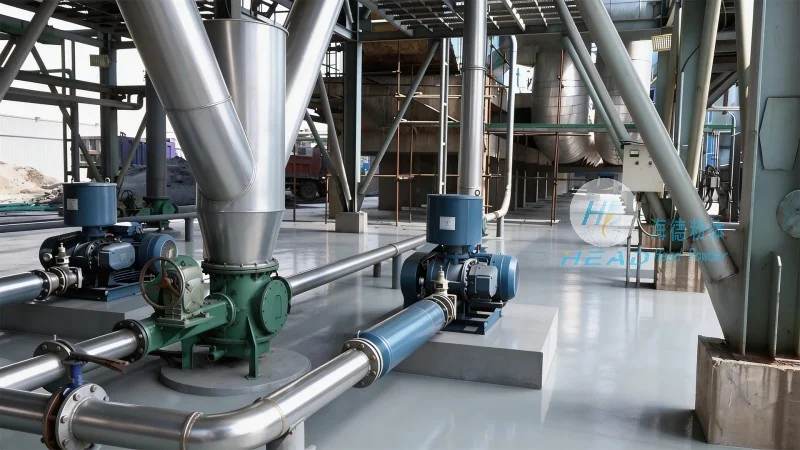
Applications and Benefits of Pharmaceutical Powder Handling Systems
Pharmaceutical powder handling systems are widely used in various stages of pharmaceutical manufacturing, including raw material handling, formulation, and packaging. The benefits of these systems extend beyond mere transport, as they contribute to overall operational efficiency and product quality. Some key applications and benefits include:
1. Efficient Raw Material Handling: The systems enable the efficient transfer of raw pharmaceutical powders from storage to processing equipment, reducing handling time and minimizing the risk of product loss or contamination.
2. Uniform Formulation: By ensuring consistent powder flow and preventing segregation, the systems contribute to the uniform mixing of ingredients, which is critical for achieving the desired product properties and efficacy.
3. Enhanced Product Safety: The use of sealed, filtered systems and proper containment measures reduces the risk of exposure to hazardous powders and ensures compliance with occupational health and safety regulations.
4. Scalability and Flexibility: Modern pharmaceutical powder handling systems are designed to be scalable and adaptable to different production volumes and product types. This flexibility allows manufacturers to adjust their operations to meet changing market demands without significant modifications to the system.
Conclusion
Pharmaceutical powder handling systems are indispensable in the pharmaceutical industry, providing the necessary infrastructure to ensure the safe and efficient transport of powders. The structural components and operational principles of these systems are carefully engineered to meet the stringent requirements of pharmaceutical manufacturing, including product quality, safety, and regulatory compliance. As a leading provider in the field, Shandong HeadPowder Engineering Co., Ltd. continues to innovate and deliver advanced powder handling solutions that enhance the efficiency and reliability of pharmaceutical production processes.