

[Rare Earth Powder Pneumatic Conveying: How to Efficiently Transport Powdered Particulate Materials
Efficient material handling is a critical factor in the processing of rare earth powders, where the ability to move these fine particulate materials without degradation or loss is paramount. Pneumatic conveying systems offer a sophisticated solution to this challenge, leveraging air flow to transport materials with precision and control. This article explores the principles and applications of rare earth powder pneumatic conveying, highlighting how specialized equipment and engineering expertise can optimize the movement of these valuable materials.
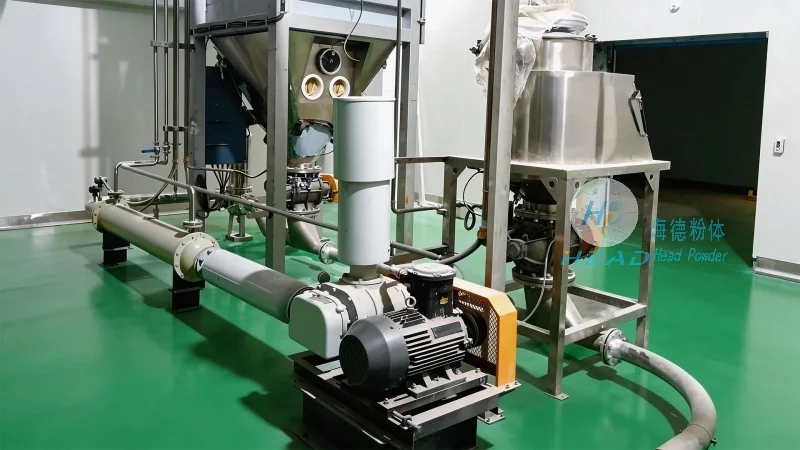
Understanding Pneumatic Conveying for Rare Earth Powders
Pneumatic conveying is a method of transporting bulk materials, such as powders and granules, using a stream of air or gas. In the context of rare earth powders, which are often used in high-tech applications like electronics and renewable energy, the efficiency of material transport directly impacts production quality and cost-effectiveness. The process involves creating a pressure or vacuum differential to move the material through a pipeline, ensuring that the delicate particles are handled gently to prevent agglomeration or damage.
The Role of Air Flow in Efficient Material Transport
The key to successful pneumatic conveying lies in the management of air flow. Proper air velocity and pressure are essential to maintain the material in suspension and prevent blockages or degradation. For rare earth powders, which can be sensitive to friction and impact, specialized conveying systems are designed to minimize these risks. This includes the use of smooth pipelines, appropriate air flow rates, and sometimes the incorporation of additives or conditioning agents to improve flow characteristics.
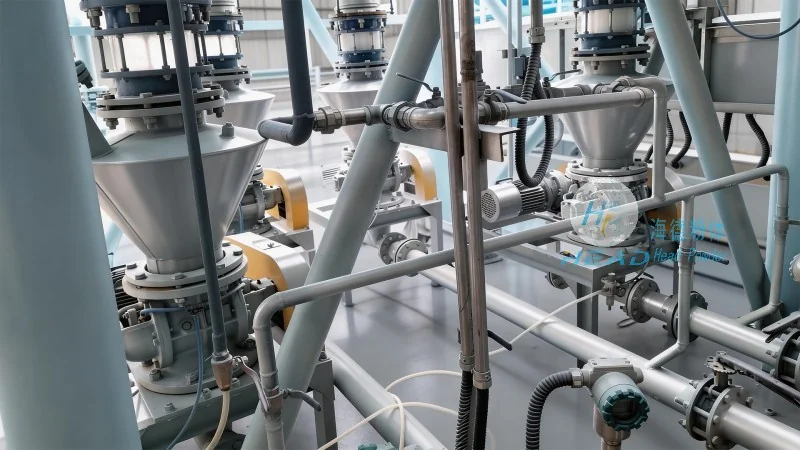
Key Components of a Pneumatic Conveying System
A typical pneumatic conveying system for rare earth powders consists of several key components. These include a material feed hopper, a conveying line (often with multiple segments for different pressure zones), a receiver or discharge hopper, and a control system. The feed hopper ensures a consistent material supply, while the conveying line transports the material to the desired location. The receiver then collects the material, ready for further processing. Advanced systems may also include filters, cyclones, or dust collection equipment to maintain air quality and comply with environmental regulations.
Benefits of Pneumatic Conveying for Rare Earth Powder Handling
Implementing a pneumatic conveying system for rare earth powders offers numerous advantages. These include reduced labor costs, as automated systems can handle material transport without manual intervention. Additionally, the process minimizes material loss and contamination, which is crucial for high-purity applications. The flexibility of pneumatic systems allows for easy integration into existing production lines, and the ability to transport materials over long distances without the need for intermediate storage or handling points enhances overall operational efficiency.
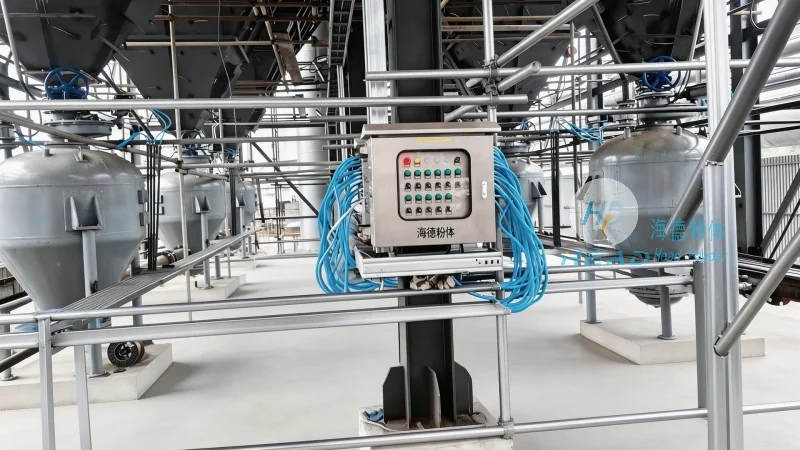
HeadPowder: Expertise in Rare Earth Powder Pneumatic Conveying
Shandong HeadPowder Engineering Co., Ltd., a leading provider of material handling solutions, specializes in the design and implementation of pneumatic conveying systems tailored to the unique needs of rare earth powder processing. With a focus on innovation and customer satisfaction, HeadPowder leverages years of experience to deliver customized solutions that optimize material transport while ensuring compliance with industry standards and environmental regulations. The company’s engineering team works closely with clients to understand their specific requirements, from material characteristics to production volumes, and develops systems that meet or exceed expectations.
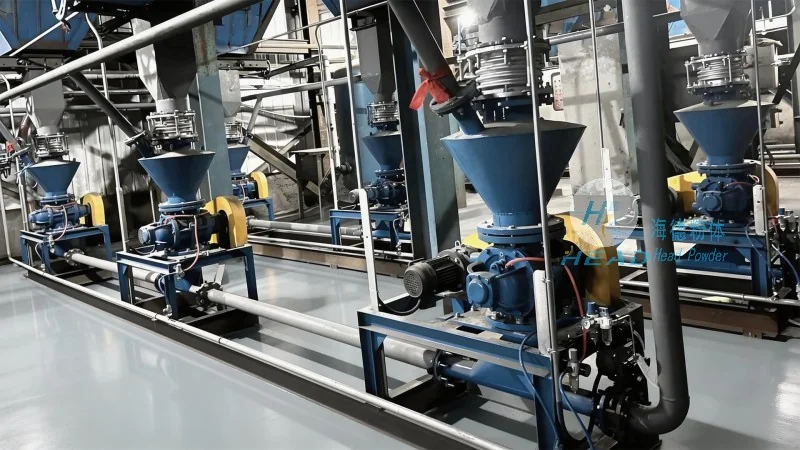
Addressing Challenges in Rare Earth Powder Conveying
While pneumatic conveying offers significant benefits, challenges such as material variability, pipeline blockages, and air quality management must be addressed. HeadPowder addresses these challenges through advanced system design, including the use of variable speed drives, intelligent control systems, and specialized materials for pipeline construction. By anticipating potential issues and implementing preventive measures, the company ensures reliable and consistent performance of its conveying systems. This proactive approach helps clients maintain smooth operations and minimize downtime, which is critical in high-demand industries like rare earth processing.
Conclusion: Optimizing Rare Earth Powder Handling with Pneumatic Conveying
In conclusion, pneumatic conveying is a highly effective method for efficiently transporting rare earth powders, offering benefits that extend from improved operational efficiency to enhanced product quality. By leveraging specialized equipment and expert engineering, companies like Shandong HeadPowder Engineering Co., Ltd. provide tailored solutions that meet the unique demands of rare earth powder processing. As the demand for rare earth materials continues to grow, the importance of reliable material handling systems cannot be overstated, making pneumatic conveying a vital component of modern production processes.