

Classification and Composition of Magnesium Silicate Pneumatic Conveying Systems
For industries dealing with magnesium silicate materials, efficient and reliable material handling is crucial. Pneumatic conveying systems offer a solution that minimizes dust, enhances safety, and improves operational efficiency. This article explores the classification and key components of magnesium silicate pneumatic conveying systems, providing insights into how these systems are designed and implemented by Shandong HeadPowder Engineering Co., Ltd., a leading provider in the field.
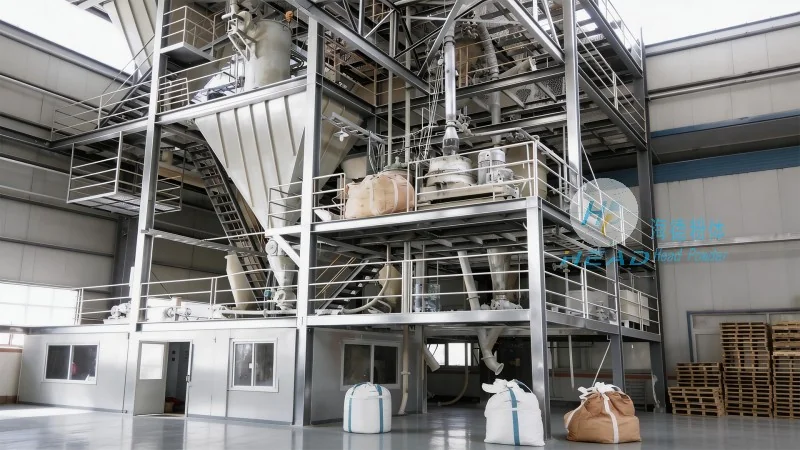
Company Overview: HeadPowder
Shandong HeadPowder Engineering Co., Ltd., operating under the brand name HeadPowder, specializes in the design, manufacturing, and installation of advanced material handling solutions. With a focus on pneumatic conveying technologies, the company serves a wide range of industries, including chemical, pharmaceutical, and food processing. HeadPowder's headquarters is located in Shandong, China, where the company leverages local expertise and resources to deliver high-quality systems tailored to client needs.
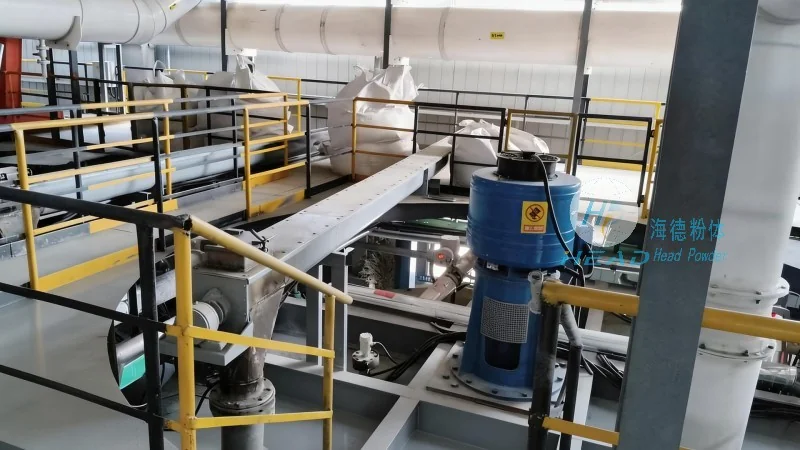
Classification of Magnesium Silicate Pneumatic Conveying Systems
Magnesium silicate pneumatic conveying systems can be broadly classified into two main categories based on the conveying principle: dilute-phase and dense-phase systems. Dilute-phase systems operate by suspending the material in a high-velocity air stream, typically at velocities above 20 m/s, and are suitable for short to medium distances and low to medium material loads. Dense-phase systems, on the other hand, use lower air velocities (often 5-15 m/s) and higher material concentrations, which results in a more controlled and gentle material transport, ideal for delicate or abrasive materials like magnesium silicate.
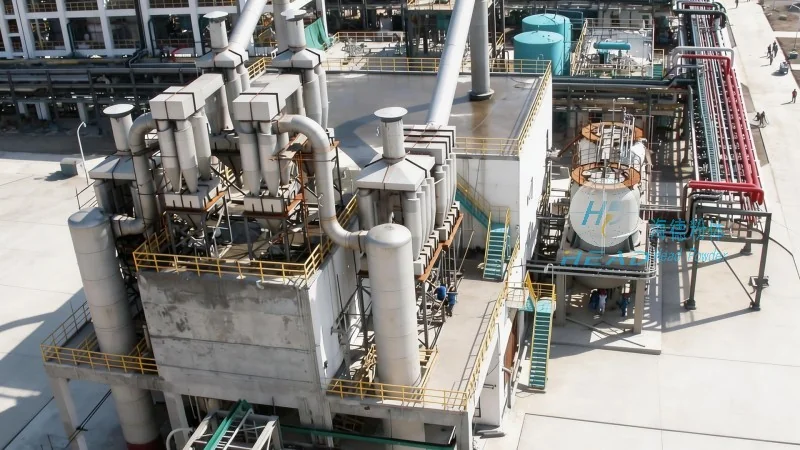
Key Components of the Pneumatic Conveying System
The effectiveness of a magnesium silicate pneumatic conveying system depends on several critical components, each designed to ensure optimal performance and material handling. The primary components include:
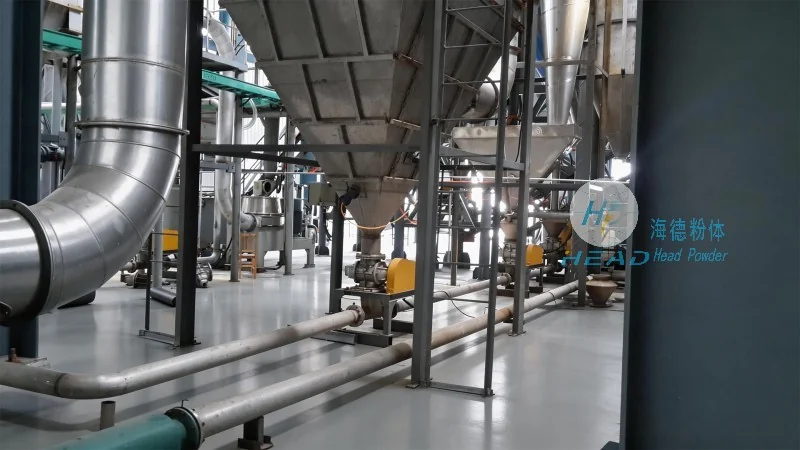
- Pneumatic Conveying Pipe: The pipeline system that transports the material and air. Materials such as stainless steel, carbon steel, or specialized alloys are used to withstand the abrasive nature of magnesium silicate and prevent material buildup or corrosion.
- Air Compressor or Blower: The power source that generates the air flow necessary for conveying. The choice between a compressor (for high-pressure applications) and a blower (for low-pressure, high-volume applications) depends on the system's requirements, including material characteristics, distance, and flow rate.
- Material Feed System: This component introduces the magnesium silicate material into the conveying line. It may include hoppers, feeders, or rotary valves that ensure a consistent and controlled feed rate, preventing blockages and maintaining system efficiency.
- Separation and Collection Equipment: At the receiving end, the system includes cyclones, filters, or baghouses to separate the material from the air stream. This step is essential for maintaining air quality and preventing dust emissions, which is particularly important for magnesium silicate due to its fine particle size.
- Control and Monitoring Systems: Modern pneumatic conveying systems are equipped with advanced control panels and sensors that monitor pressure, flow rate, and material levels. These systems allow for real-time adjustments and help maintain optimal operating conditions, enhancing system reliability and reducing downtime.
Application Considerations for Magnesium Silicate
When designing a pneumatic conveying system for magnesium silicate, several factors must be considered to ensure the system's effectiveness and longevity. The material's physical properties, such as particle size, density, and moisture content, play a significant role in determining the appropriate conveying method and component selection. For example, fine magnesium silicate powders may require dense-phase conveying to prevent segregation and ensure uniform flow. Additionally, the system must be designed to handle the abrasive nature of the material, which can cause wear on components like pipes and valves. Proper maintenance and material handling practices are also essential to extend the system's lifespan and maintain performance.
Conclusion
Magnesium silicate pneumatic conveying systems are a vital component in industries that handle this material, offering a safe, efficient, and reliable method of material transport. By understanding the classification and key components of these systems, as well as the specific considerations for magnesium silicate, industries can select and implement the most suitable solution. Shandong HeadPowder Engineering Co., Ltd. provides comprehensive services, from system design to installation and maintenance, ensuring that clients receive tailored solutions that meet their operational needs and enhance overall productivity.