

Fluorspar Powder Conveying: Positive Pressure vs. Negative Pressure - How to Differentiate
When it comes to handling fluorspar powder, selecting the right conveying method is crucial for efficiency, safety, and operational costs. Two primary options are positive pressure conveying and negative pressure conveying. Understanding the differences between these systems and how to choose the appropriate one is essential for optimizing your material handling processes. This guide will explore the key factors that influence the selection between positive and negative pressure systems for fluorspar powder, helping you make an informed decision.
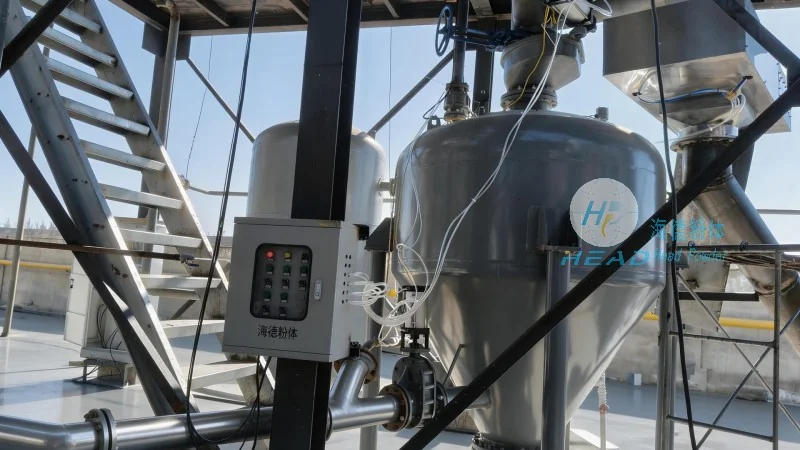
Understanding Positive Pressure Conveying for Fluorspar Powder
Positive pressure conveying systems operate by blowing air or gas into the material to move it through the pipeline. In this method, the conveying air is under pressure, which forces the powder to flow. This approach is often preferred for applications where the material is dusty or has a tendency to create dust, as the pressurized air helps to contain and control the powder particles. The positive pressure system is typically more effective for conveying materials that are prone to caking or have high moisture content, as the pressure helps to prevent blockages and maintain consistent flow.
For fluorspar powder, which is often fine and can be abrasive, a positive pressure system may be advantageous. The pressurized air can help to keep the powder suspended and prevent it from settling or clogging the pipeline. Additionally, positive pressure systems are generally more suitable for long-distance conveying, as the pressure can maintain the flow over extended distances without significant loss of efficiency. Companies like Shandong HeadPowder Engineering Co., Ltd., a leading provider in the industry, often recommend positive pressure systems for applications where the material needs to be transported over several hundred meters or more, ensuring reliable and consistent delivery.
Exploring Negative Pressure Conveying for Fluorspar Powder
Negative pressure conveying, also known as suction or vacuum conveying, works by creating a vacuum in the pipeline to draw the material from the source. The system uses a vacuum pump to create a lower pressure environment, which pulls the powder into the pipeline. This method is commonly used for materials that are light and can be easily drawn into the system, such as fine powders. Negative pressure systems are generally more suitable for short-distance conveying, typically up to a few hundred meters, as the vacuum may not be strong enough to maintain flow over longer distances without additional support.
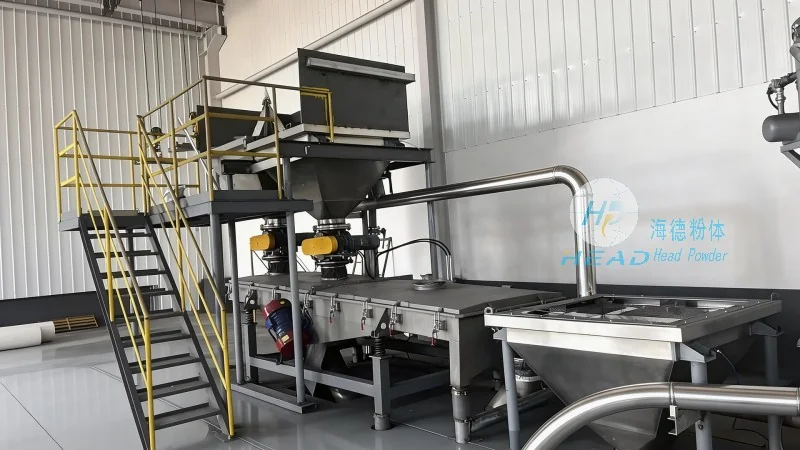
For fluorspar powder, negative pressure conveying may be appropriate for applications where the material is to be moved over shorter distances, such as from a storage bin to a processing unit. The system is often more compact and can be installed in tighter spaces, making it ideal for facilities with limited room for large equipment. However, it is important to note that negative pressure systems can be more prone to clogging if the powder is too fine or has high moisture content, as the vacuum may not be sufficient to keep all particles in suspension. In such cases, additional equipment like cyclones or filters may be required to maintain proper operation.
Distinguishing Between Positive and Negative Pressure Systems
When deciding between positive and negative pressure conveying for fluorspar powder, several factors need to be considered. The first is the distance the material needs to be conveyed. Positive pressure systems are generally better for longer distances, while negative pressure is more suitable for shorter distances. The second factor is the material properties, such as particle size, moisture content, and tendency to clog. If the fluorspar powder is fine and has a high moisture content, a positive pressure system may be more effective in preventing blockages. Conversely, if the material is light and can be easily drawn, a negative pressure system may be sufficient.
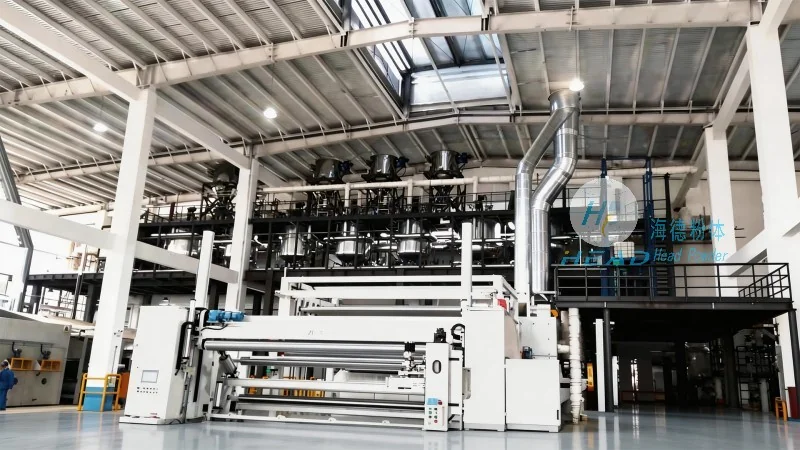
The third factor is the available space and layout of the facility. Positive pressure systems require more space for the air handling equipment and may need additional ventilation to manage the pressure, while negative pressure systems are more compact and can be installed in tighter areas. The fourth factor is the cost and maintenance requirements. Positive pressure systems may have higher initial costs due to the need for robust air compressors and pipelines, but they often have lower maintenance costs as they are less prone to clogging. Negative pressure systems, on the other hand, may have lower initial costs but may require more frequent maintenance to keep the vacuum pump and filters clean.
Choosing the Right Conveying System with HeadPowder
At Shandong HeadPowder Engineering Co., Ltd., we understand that selecting the appropriate conveying system for fluorspar powder requires careful consideration of various factors. Our team of experts can provide guidance on the best system for your specific application, taking into account the distance, material properties, and facility layout. We offer a range of positive and negative pressure conveying systems, as well as custom solutions tailored to meet your unique needs. By choosing the right system, you can improve the efficiency of your material handling processes, reduce downtime, and ensure the safe and reliable transport of fluorspar powder.
Conclusion
Choosing between positive pressure and negative pressure conveying for fluorspar powder is a critical decision that impacts the performance and safety of your operations. By understanding the differences between these systems and considering factors such as distance, material properties, and facility layout, you can make an informed choice. Companies like Shandong HeadPowder Engineering Co., Ltd. are equipped to provide the expertise and equipment needed to optimize your fluorspar powder conveying process, ensuring that you achieve the best results for your business.