

Selecting Positive Pressure vs. Negative Pressure for Titanium Dioxide Powder Conveying: How to Dist
When it comes to transporting titanium dioxide powder, selecting the right conveying method is crucial for efficiency, safety, and operational costs. Two primary options are positive pressure conveying and negative pressure conveying. Understanding the differences between these two systems is essential for making an informed decision. This article will explore the key aspects of both methods and provide guidance on how to distinguish between them based on specific operational requirements.
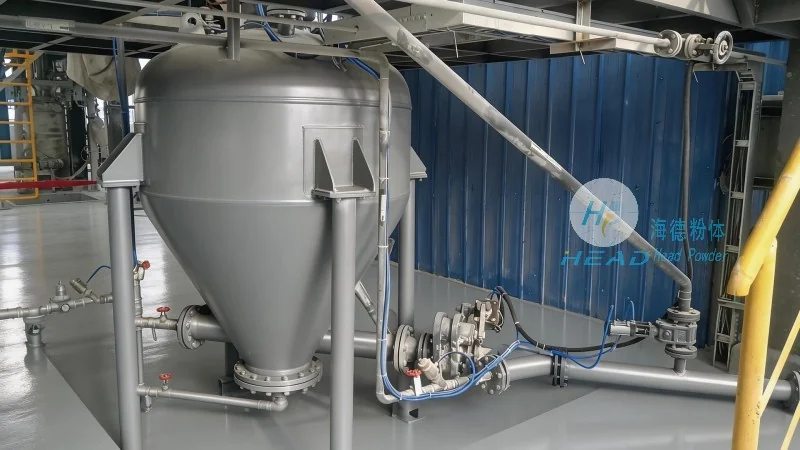
Introduction to Conveying Systems for Titanium Dioxide Powder
Titanium dioxide, commonly used in pigments, coatings, and other industrial applications, is a fine powder that poses unique challenges during transportation. Its high dust content, potential for static electricity, and varying flow characteristics require specialized handling. Conveying systems are designed to move this material from one location to another while maintaining product integrity and minimizing environmental impact. The choice between positive pressure and negative pressure conveying depends on factors such as material properties, system layout, and operational needs.
Positive Pressure Conveying: Active Material Movement
Positive pressure conveying systems use a blower or fan to generate air pressure that forces the material through a pipeline. This method is considered active because the material is pushed through the system. In the context of titanium dioxide powder, positive pressure systems are often preferred for their ability to handle high volumes and maintain consistent flow rates. The pressure ensures that the powder moves smoothly without clogging, which is particularly important for fine powders that are prone to bridging or sticking to pipelines.
Key advantages of positive pressure conveying include better control over material flow, reduced risk of dust leakage, and improved safety due to the sealed system. However, these systems require more energy and may generate higher noise levels. They are also more complex to install and maintain, as they involve high-pressure components and robust sealing mechanisms.
Negative Pressure Conveying: Suction-Based Material Movement
Contrastingly, negative pressure conveying systems operate by creating a vacuum or suction that draws the material into the pipeline. This method is passive in that the material is pulled rather than pushed. Negative pressure systems are often used for shorter distances or when the material source is at a higher elevation than the destination. They are generally less energy-intensive than positive pressure systems and can be simpler to set up for smaller-scale operations.
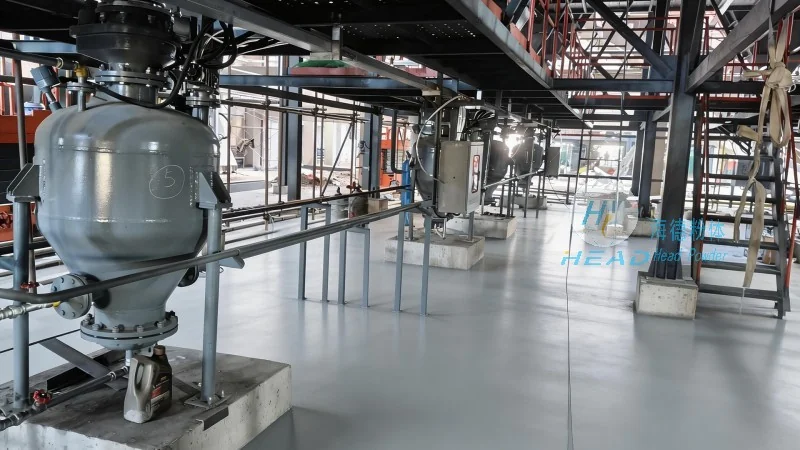
For titanium dioxide powder, negative pressure conveying may be suitable for applications where the material is relatively dry and free-flowing. However, it is less effective for handling powders with high moisture content or those that tend to clump together, as the suction can cause blockages or uneven flow. Additionally, negative pressure systems may have higher dust emission risks if not properly sealed, which can affect air quality and compliance with environmental regulations.
Factors to Consider When Choosing Between Positive and Negative Pressure
Deciding between positive and negative pressure conveying for titanium dioxide powder involves evaluating several critical factors. First, consider the distance and layout of the conveying system. Longer distances typically favor positive pressure due to its ability to maintain pressure over extended pipelines. Shorter distances or systems with vertical lifts may work well with negative pressure.
Second, assess the material properties. Titanium dioxide powder's fineness and potential for static charge are key considerations. Positive pressure systems are better at preventing static buildup and maintaining product quality, while negative pressure systems may require additional measures like anti-static additives or grounding to mitigate risks.
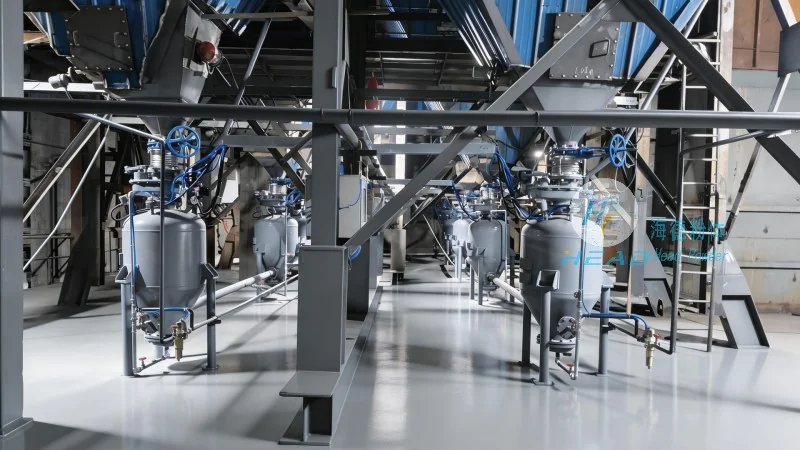
Third, evaluate operational requirements such as throughput capacity and system reliability. Positive pressure systems can handle higher volumes and are more suitable for continuous production lines, whereas negative pressure systems may be more appropriate for batch processing or smaller-scale applications.
How to Distinguish Between the Two Systems
Identifying whether a system is positive or negative pressure can be done by observing the direction of air flow and the pressure differentials. In a positive pressure system, air and material are pushed out of the pipeline, often with visible air vents or exhausts. In contrast, negative pressure systems draw air and material into the system, with intake vents and potential dust collection points. Additionally, monitoring equipment such as pressure gauges and flow meters can provide real-time data on system performance, helping to confirm the type of conveying method in use.
Conclusion: Making the Right Choice for Titanium Dioxide Powder Conveying
Choosing between positive pressure and negative pressure conveying for titanium dioxide powder requires a thorough understanding of the operational context and material characteristics. Positive pressure systems offer superior control and safety for fine powders, while negative pressure systems may be more economical for shorter distances or less demanding applications. By carefully evaluating factors such as distance, material properties, and throughput needs, businesses can select the most appropriate conveying method to ensure efficient, safe, and cost-effective operations.
Shandong HeadPowder Engineering Co., Ltd., a leading provider of powder handling solutions, specializes in designing and implementing tailored conveying systems for various industrial applications. With years of experience in the field, the company ensures that its solutions meet the specific requirements of clients, including those dealing with titanium dioxide powder. Based in Shandong, China, HeadPowder Engineering leverages advanced technology and expert knowledge to deliver reliable and efficient conveying systems that enhance productivity and reduce operational risks.