

Aluminum Hydride Powder Handling: Positive Pressure vs. Negative Pressure - How to Distinguish?
When it comes to handling aluminum hydride powder, selecting the right transport method is crucial for safety, efficiency, and operational success. Two primary approaches are widely used: positive pressure and negative pressure systems. Understanding the differences between these methods is essential for making an informed decision that aligns with your specific application requirements. This article will explore the key aspects of both positive and negative pressure transport for aluminum hydride powder, helping you determine which option is best suited for your needs.
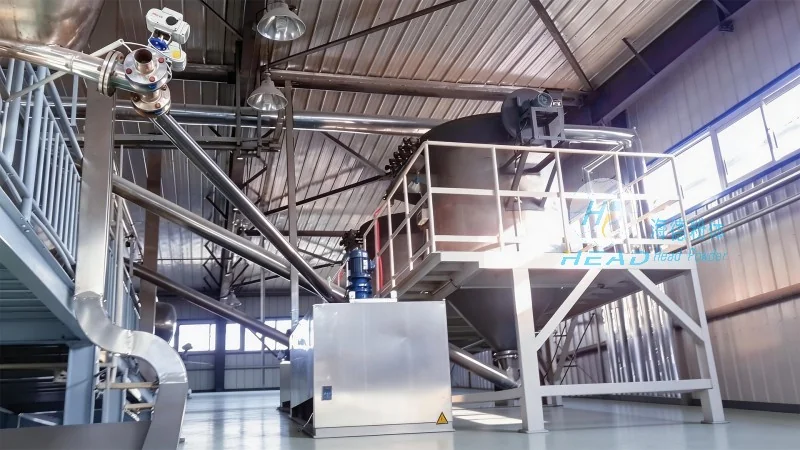
Introduction to Aluminum Hydride Powder Handling
Aluminum hydride powder is a reactive material commonly used in chemical processes, particularly in hydrogen generation and as a reducing agent. Due to its hygroscopic nature and potential for exothermic reactions, handling this powder requires careful consideration of dust control, containment, and safety measures. The choice of transport system directly impacts how effectively these challenges are managed, making it a critical decision for any facility dealing with aluminum hydride powder.
Understanding Positive Pressure Transport
Positive pressure transport systems operate by pressurizing the entire system, including the conveying line and equipment, to maintain a pressure higher than the surrounding environment. This approach ensures that air and powder are forced out of the system, preventing external air from entering and potentially contaminating the material. In the context of aluminum hydride powder, positive pressure systems are often preferred for their ability to contain dust and prevent the inhalation of fine particles. The system typically includes a blower or compressor that generates the necessary pressure, with the powder being carried by air in a sealed pipeline.
Key Features of Positive Pressure Systems
Positive pressure systems offer several advantages for aluminum hydride powder handling. They provide excellent containment, reducing the risk of dust exposure and cross-contamination. The pressurized environment also helps maintain the material's integrity by minimizing exposure to moisture and air, which can degrade the powder's properties. Additionally, these systems are generally more straightforward to install and maintain, as they do not require complex vacuum setups. However, they may require more energy to operate due to the continuous pressurization of the entire system.
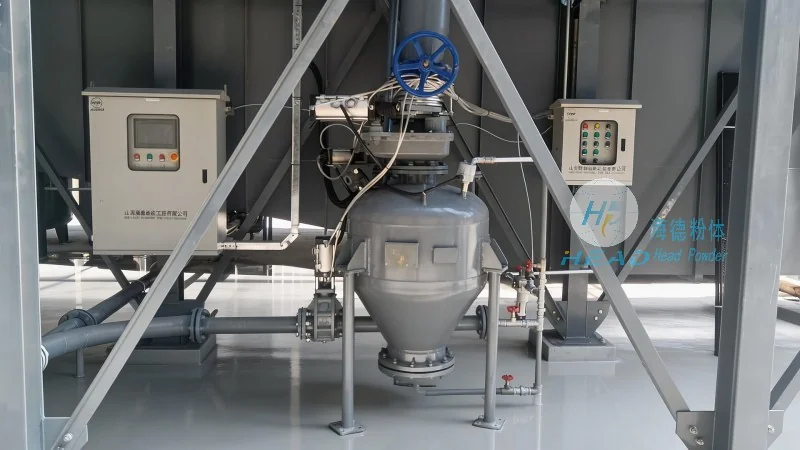
Understanding Negative Pressure Transport
Negative pressure transport, also known as vacuum or suction systems, operates by creating a lower pressure inside the conveying line compared to the surrounding environment. This creates a suction effect that draws the powder and air mixture into the system. Unlike positive pressure systems, negative pressure systems rely on a vacuum pump to generate the necessary suction force. The material is drawn through the pipeline, and the air is filtered to remove dust particles before being released back into the environment or treated.
Key Features of Negative Pressure Systems
Negative pressure systems have their own set of benefits for aluminum hydride powder handling. They are often more energy-efficient than positive pressure systems, as they only require power for the vacuum pump rather than maintaining continuous pressure throughout the system. This can lead to lower operational costs over time. Additionally, negative pressure systems can be more flexible in terms of layout, as the suction can be applied at various points along the pipeline. However, they may pose higher risks of dust leakage and inhalation if not properly sealed, as the system is designed to draw air and powder into it rather than expelling it.
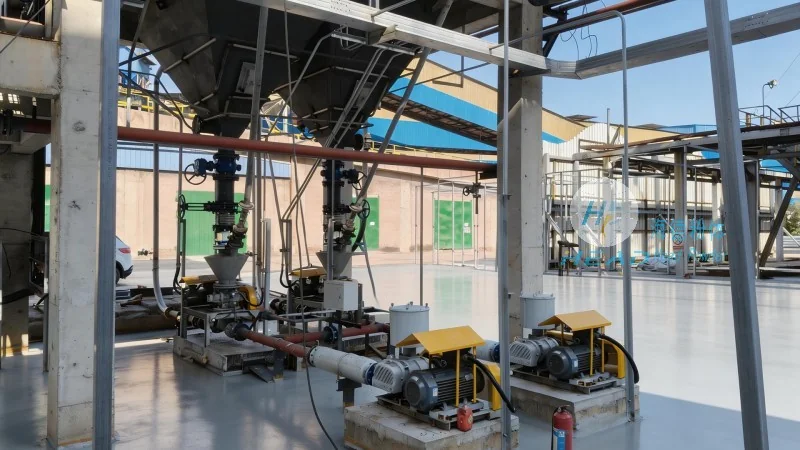
Distinguishing Between Positive and Negative Pressure Systems
So, how can you tell which system is right for your aluminum hydride powder handling needs? The primary distinction lies in the direction of air and powder flow and the pressure differential. Positive pressure systems push material outwards, while negative pressure systems pull it inwards. The choice depends on several factors, including the material's properties, the required level of containment, and the layout of your facility. For applications where strict dust control and material integrity are paramount, positive pressure systems are often the preferred choice. Conversely, if energy efficiency and flexibility are more critical, negative pressure systems may be more suitable.
Factors to Consider When Choosing a Transport System
When deciding between positive and negative pressure transport for aluminum hydride powder, several factors should be evaluated. First, consider the material's reactivity and hygroscopic nature. Aluminum hydride powder is highly reactive and can absorb moisture, so systems that minimize exposure to air are advantageous. Second, assess the risk of dust exposure and the need for containment. Positive pressure systems excel in this area, while negative pressure systems may require additional filtration and sealing measures. Third, evaluate the operational costs, including energy consumption and maintenance requirements. Positive pressure systems may have higher energy costs but simpler maintenance, while negative pressure systems can be more energy-efficient but may require more frequent checks for leaks and filtration.
Conclusion
Choosing between positive pressure and negative pressure for aluminum hydride powder transport is a decision that impacts safety, efficiency, and operational performance. Positive pressure systems offer superior containment and material protection, making them ideal for applications where dust control is critical. Negative pressure systems, on the other hand, provide energy efficiency and flexibility, which may be more suitable for less sensitive or larger-scale operations. By carefully evaluating your specific requirements and considering the advantages and disadvantages of each system, you can select the transport method that best meets your needs and ensures safe and effective handling of aluminum hydride powder.