

Choosing Between Positive Pressure and Negative Pressure for Pepper Powder Conveying: How to Disting
When it comes to conveying pepper powder, selecting the right method is crucial for ensuring efficiency, safety, and product integrity. Two primary options are widely used in the industry: positive pressure conveying and negative pressure conveying. Understanding the differences between these two systems is essential for making an informed decision that aligns with your operational needs. This article will explore the key distinctions, advantages, and considerations for each approach, helping you determine which method is best suited for your pepper powder handling requirements.
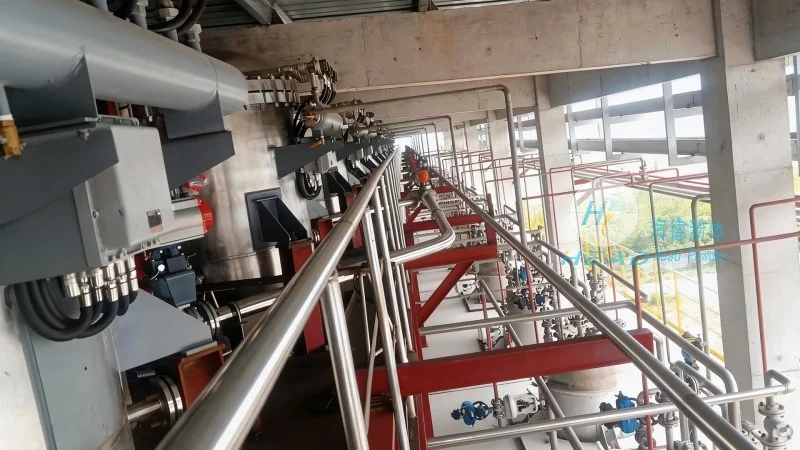
Understanding Conveying Systems for Pepper Powder
Conveying pepper powder involves transporting the material from a source to a destination, often over short or long distances. The choice of conveying system depends on factors such as the material's properties, the distance to be covered, the required flow rate, and the overall system complexity. Both positive pressure and negative pressure conveying systems are designed to handle bulk materials like pepper powder, but they operate on different principles and have distinct characteristics.
Positive Pressure Conveying: How It Works
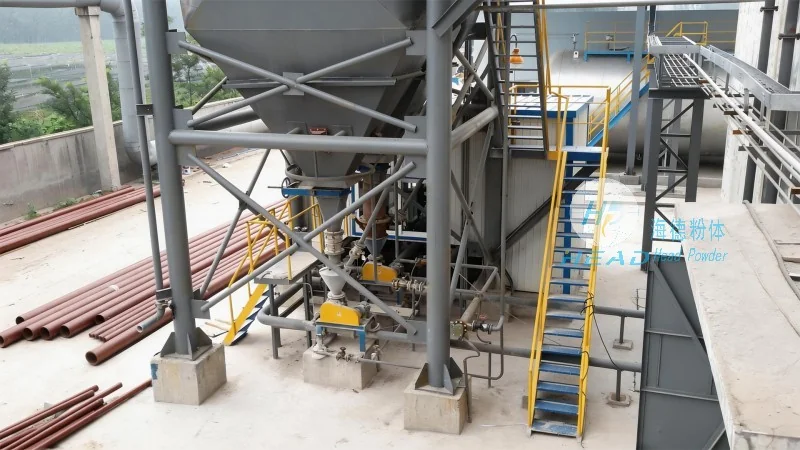
Positive pressure conveying systems operate by blowing air or a carrier gas into the material stream, creating a pressure higher than the ambient air pressure. This pressure forces the material to move through the conveying line. The system typically includes a blower or compressor that generates the necessary pressure, a hopper or feeder to introduce the material, and a discharge point where the material is released. The key advantage of positive pressure systems is their ability to handle abrasive or corrosive materials without damaging the equipment. They are also suitable for conveying materials over longer distances and at higher flow rates. However, positive pressure systems may require more maintenance due to the higher pressure and potential for wear on components.
Negative Pressure Conveying: How It Works
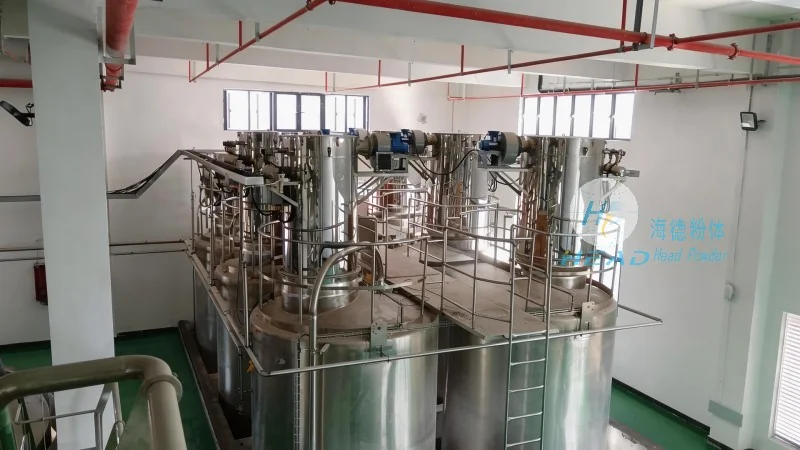
Negative pressure conveying systems, also known as vacuum conveying, work by creating a vacuum in the conveying line, which draws the material from the source to the destination. The system uses a vacuum pump to reduce the pressure inside the line, causing the material to be pulled along. Negative pressure systems are generally more energy-efficient for short to medium distances and are easier to install and maintain compared to positive pressure systems. They are ideal for handling fine or dusty materials like pepper powder, as the vacuum helps to contain dust and prevent it from escaping into the environment. However, negative pressure systems may not be as effective for long-distance conveying or handling very abrasive materials, as the vacuum can sometimes lead to material degradation or blockages.
Key Differences Between Positive and Negative Pressure Conveying
While both positive and negative pressure conveying systems are used for pepper powder, several key differences set them apart. The most significant difference is the direction of air flow: positive pressure systems push material through the line, while negative pressure systems pull material. This affects the system's energy consumption, as positive pressure systems require more power to maintain the pressure, whereas negative pressure systems use less energy for short distances. Another difference is the material handling capability: positive pressure systems are better suited for abrasive or heavy materials, while negative pressure systems are more suitable for fine or light materials. Additionally, the installation and maintenance requirements differ, with positive pressure systems often needing more robust components to withstand higher pressures and negative pressure systems being simpler to set up and maintain.
Factors to Consider When Choosing a Conveying System
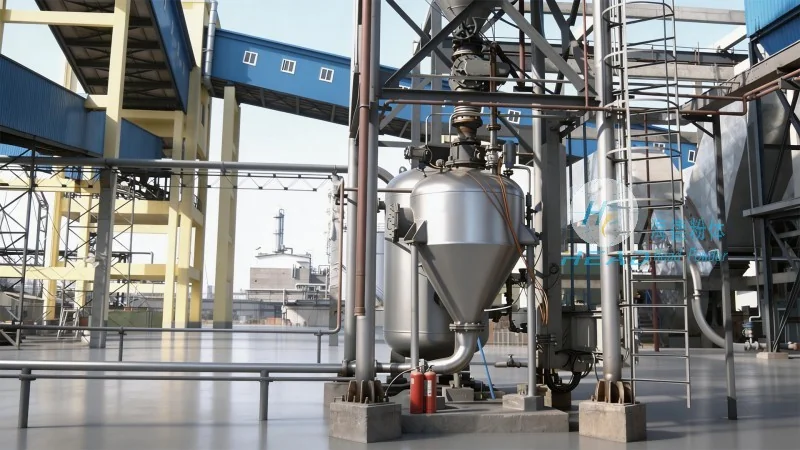
When deciding between positive and negative pressure conveying for pepper powder, several factors should be considered. First, the distance between the source and destination is a critical factor. Positive pressure systems are generally preferred for longer distances, as they can maintain the material flow over greater distances without significant pressure loss. In contrast, negative pressure systems are more efficient for shorter distances, as the vacuum can effectively pull material over shorter lengths. Second, the material's properties, such as particle size, moisture content, and abrasiveness, play a role in the choice. For example, if the pepper powder is very fine or dusty, a negative pressure system may be more appropriate to prevent dust emissions. Third, the required flow rate and system capacity are important considerations. Positive pressure systems can handle higher flow rates and larger capacities, making them suitable for high-volume operations. Fourth, the operational environment and safety requirements should be evaluated. Positive pressure systems may require additional safety measures to prevent dust explosions, as they involve pressurized air, while negative pressure systems are generally safer in terms of dust containment.
Conclusion: Making the Right Choice for Pepper Powder Conveying
Choosing between positive pressure and negative pressure conveying for pepper powder requires a careful evaluation of the specific needs of your operation. Positive pressure systems offer advantages in terms of handling abrasive materials and long-distance conveying, while negative pressure systems excel in energy efficiency and dust containment for shorter distances. By understanding the differences and considering factors such as distance, material properties, and operational requirements, you can select the most suitable conveying system for your pepper powder handling needs. Whether you opt for a positive pressure or negative pressure system, the goal is to ensure efficient, safe, and reliable transportation of pepper powder, maintaining its quality and integrity throughout the process. Shandong HeadPowder Engineering Co., Ltd. specializes in providing tailored conveying solutions for various bulk materials, including pepper powder, ensuring that your system meets the highest standards of performance and reliability.