

AlN Powder Handling: Positive Pressure or Negative Pressure Conveying? How to Distinguish?
When it comes to handling aluminum nitride (AlN) powder, selecting the appropriate conveying method is critical for ensuring operational efficiency, safety, and product integrity. Two primary approaches are positive pressure conveying and negative pressure conveying. Understanding the distinctions between these systems is essential for making an informed decision tailored to your specific application. This article explores the principles, advantages, and considerations of both positive and negative pressure conveying, alongside how Shandong HeadPowder Engineering Co., Ltd. addresses these challenges with specialized solutions.
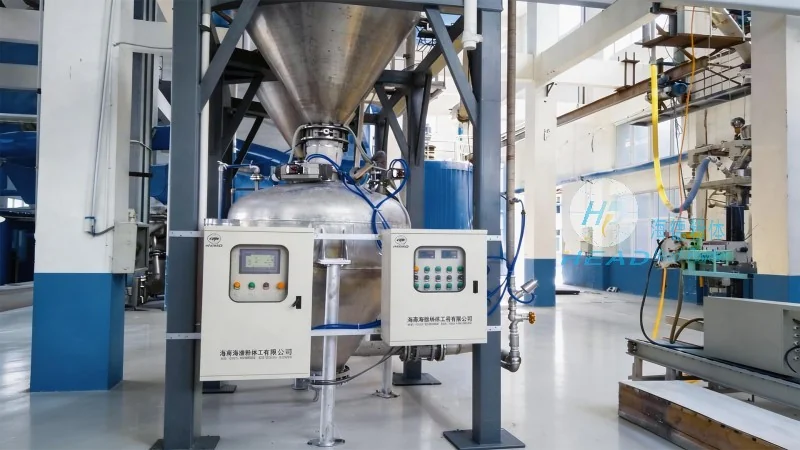
Positive Pressure Conveying: Principles and Applications
Positive pressure conveying, also known as pressure-assisted or forced-air conveying, operates by blowing air or gas into the material stream to move the powder. The system maintains a positive pressure throughout the conveying line, ensuring continuous material transport. This method is particularly effective for materials prone to bridging or clogging, as the constant pressure helps break down agglomerates and maintain a smooth flow.
Key benefits of positive pressure conveying include its ability to handle abrasive or sticky powders, as high-pressure air can effectively disperse clumps and prevent blockages. It is also suitable for long-distance conveying and accommodates various pipe sizes. However, this approach may require higher energy input compared to negative pressure systems and can generate more dust and noise due to elevated airflow rates.
Negative Pressure Conveying: Principles and Applications
Negative pressure conveying, or vacuum-assisted conveying, works by creating a vacuum in the system to draw the powder into the conveying line. The material is pulled through the line via the pressure differential between the source and receiver. This method is typically employed for lighter powders or materials with lower agglomeration rates, as the vacuum helps maintain consistent flow without the need for high-pressure air.
Advantages of negative pressure conveying include lower energy consumption and reduced noise levels, as the system relies on a vacuum rather than high-pressure air. It is also more suitable for applications where dust containment is critical, as the material is drawn into the system rather than being expelled. Nevertheless, negative pressure systems may struggle with abrasive or sticky powders, as the vacuum can sometimes cause material to adhere to pipe walls, leading to clogging.
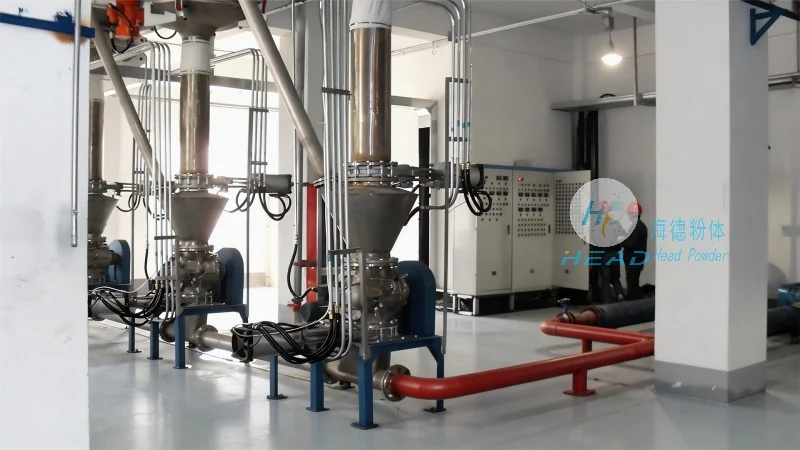
Distinguishing Between Positive and Negative Pressure Conveying
When deciding between positive and negative pressure conveying for AlN powder, several factors must be evaluated. The first is the material's physical properties, such as particle size, density, and tendency to agglomerate. Materials with larger particles or high bridging propensity may benefit from positive pressure systems, while finer powders or those with low agglomeration rates may perform better with negative pressure.
Another critical consideration is the conveying distance and system layout. Positive pressure systems are generally more effective for longer distances, as pressure can be maintained throughout the line. Negative pressure systems, conversely, are better suited for shorter distances or when material needs to be transported from a lower to a higher elevation.
Energy consumption and operational costs are also key factors. Positive pressure systems typically require more energy due to high airflow rates, whereas negative pressure systems are more energy-efficient. Additionally, maintenance requirements and dust exposure risks should be assessed. Positive pressure systems may generate more dust, necessitating extra filtration and safety measures, while negative pressure systems are often more enclosed and safer to operate.
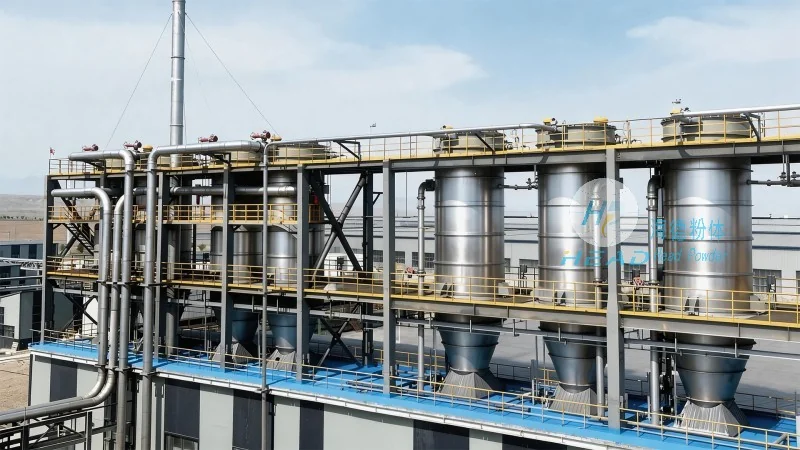
HeadPowder Engineering's Solutions for AlN Powder Handling
Shandong HeadPowder Engineering Co., Ltd., a leading provider of powder handling solutions, offers specialized equipment and systems tailored to the unique challenges of AlN powder. The company’s expertise lies in designing custom conveying systems that balance efficiency, safety, and cost-effectiveness. HeadPowder’s solutions may include advanced positive pressure or negative pressure conveying equipment, equipped with features like adjustable pressure control, dust filtration, and material monitoring to ensure optimal performance.
For example, HeadPowder may provide positive pressure conveying systems with high-pressure air blowers and specialized pipe designs to prevent clogging in AlN powder. These systems can be fitted with sensors to monitor pressure and flow rates, allowing real-time adjustments to maintain consistent material transport. Similarly, negative pressure conveying systems from HeadPowder may incorporate vacuum pumps and enclosed collection hoppers to minimize dust exposure and ensure a clean operation environment.
HeadPowder’s commitment to quality and customer satisfaction is reflected in its comprehensive approach to powder handling. The company collaborates closely with clients to understand specific requirements—from material characteristics to operational constraints—and develops tailored solutions that meet or exceed industry standards. With a focus on innovation and reliability, HeadPowder provides reliable equipment that enhances the efficiency and safety of AlN powder handling processes.
Conclusion
Choosing between positive and negative pressure conveying for AlN powder handling depends on a careful evaluation of material properties, system requirements, and operational considerations. Positive pressure conveying offers robustness and effectiveness for challenging materials, while negative pressure conveying provides energy efficiency and reduced dust exposure. By understanding these differences and leveraging specialized solutions from companies like Shandong HeadPowder Engineering Co., Ltd., manufacturers can optimize their powder handling processes and ensure consistent performance. Whether you need a positive pressure or negative pressure system, HeadPowder’s expertise and tailored solutions can help you achieve the best results for your AlN powder handling needs.