

Choosing Between Positive Pressure and Negative Pressure for Polyethylene Transport: How to Distingu
HeadPowder, a leading provider in the field of material handling solutions, specializes in optimizing transport processes for various industrial materials, including polyethylene. With headquarters in Shandong, China, the company leverages advanced engineering and technical expertise to deliver tailored solutions that enhance efficiency and safety in material transport operations.
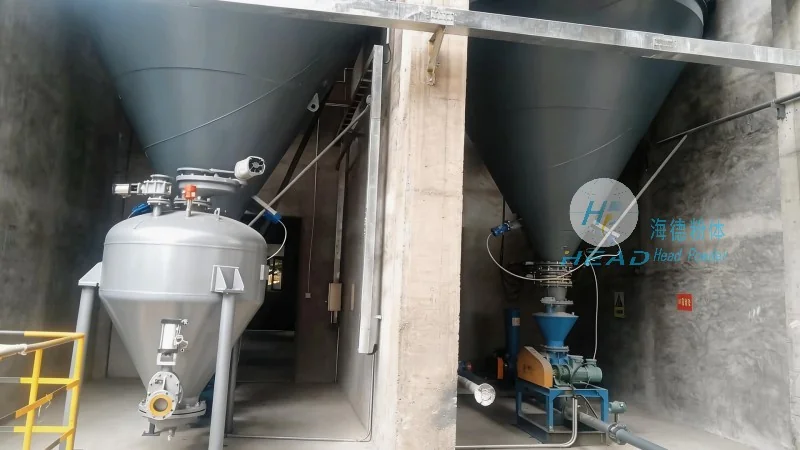
Polyethylene (PE) is a widely used thermoplastic polymer in industries such as packaging, construction, and manufacturing due to its lightweight, durability, and versatility. However, transporting polyethylene, especially in bulk quantities, presents unique challenges related to material flow, dust control, and system reliability. Choosing the right transport method—whether positive pressure or negative pressure—is crucial for ensuring smooth, efficient, and safe operations. This article explores the key differences between positive pressure and negative pressure systems for polyethylene material handling and provides guidance on how to select the appropriate approach.
Positive Pressure Transport Systems for Polyethylene
Positive pressure transport, also known as pressure-fed or blow-through systems, operates by supplying compressed air or gas to the material feed point, creating a pressure differential that drives the polyethylene material through the transport line. This method is particularly effective for handling fine powders or granules that may be prone to bridging or caking. The system typically includes a blower, a hopper or feeder, and a pipeline network, with the air pressure ensuring consistent material flow. Key advantages of positive pressure systems include high material throughput, reduced risk of material degradation due to low air velocity, and improved dust control through enclosed transport. However, they may require more energy to operate and can be more complex to maintain, especially in large-scale applications.
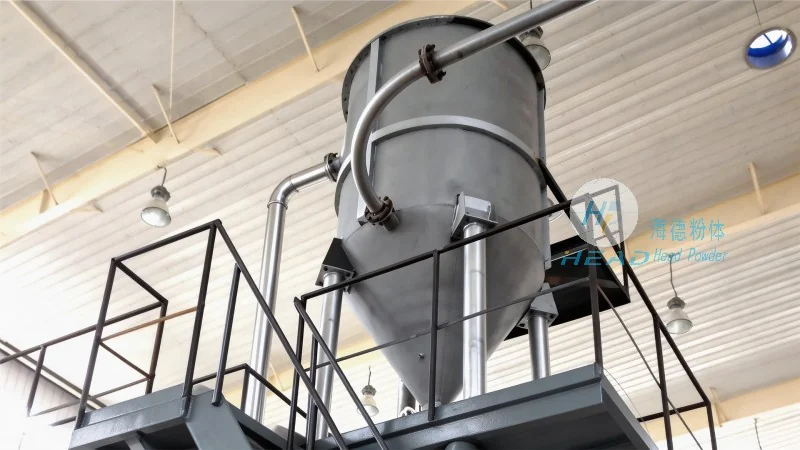
Negative Pressure Transport Systems for Polyethylene
Negative pressure transport, or vacuum-assisted systems, works by creating a vacuum in the transport line, which draws the polyethylene material from the source into the pipeline. This method is often preferred for handling bulk materials that are less prone to bridging and for applications where dust containment is a priority. The system typically consists of a vacuum pump, a hopper or feeder, and a sealed pipeline, with the vacuum pressure ensuring material movement. Advantages of negative pressure systems include lower energy consumption compared to positive pressure systems, reduced noise levels, and the ability to handle larger particle sizes without the risk of material degradation. However, they may be less effective for materials that are highly cohesive or prone to caking, as the vacuum may not provide sufficient force to overcome material resistance.
Distinguishing Between Positive and Negative Pressure Systems for Polyethylene
When deciding between positive and negative pressure transport for polyethylene, several factors must be considered to ensure the optimal choice. First, the physical properties of the polyethylene material, such as particle size, moisture content, and cohesive tendency, play a critical role. Fine, dry powders with low moisture content are often better suited for positive pressure systems, as the high air pressure can effectively overcome material resistance. In contrast, bulk granules or pellets with higher moisture content and better flow characteristics may perform better with negative pressure systems. Second, the scale of the operation and the required material throughput are important considerations. Large-scale industrial applications with high material volumes may benefit from positive pressure systems due to their higher throughput capabilities, while smaller-scale or laboratory applications may find negative pressure systems more suitable due to their lower energy requirements. Third, environmental and safety factors, including dust control and noise levels, should be evaluated. Positive pressure systems excel in dust control by maintaining positive pressure in the system, preventing external air from entering and contaminating the material. Negative pressure systems, while less effective at dust control, can be equipped with additional filtration systems to mitigate dust emissions. Finally, system complexity and maintenance requirements should be assessed. Positive pressure systems may require more frequent maintenance of the blower and air filtration components, while negative pressure systems may need regular checks on the vacuum pump and pipeline seals to prevent air leaks.
Real-World Applications and Case Studies
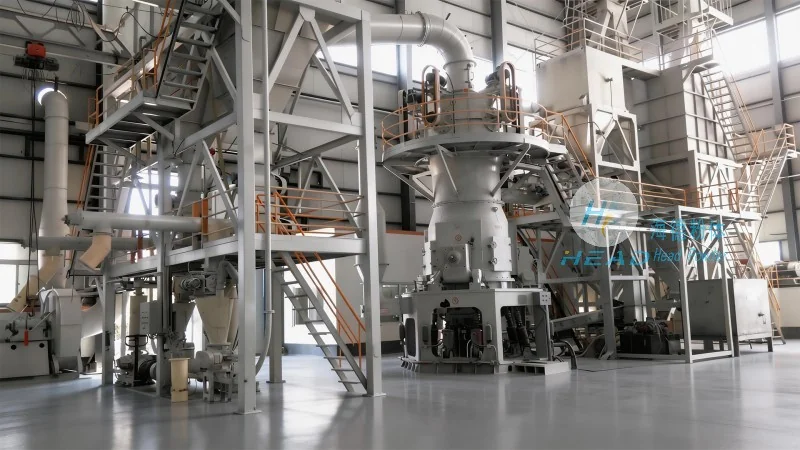
HeadPowder has successfully implemented both positive and negative pressure transport systems for polyethylene in various industrial settings. For example, a packaging manufacturer in Shandong, China, opted for a positive pressure system to transport fine PE powder for film production, achieving a 20% increase in material throughput and reduced dust emissions compared to traditional manual handling methods. Another client, a construction materials supplier, chose a negative pressure system to transport bulk PE granules for pipe manufacturing, benefiting from lower energy costs and improved material flow consistency. These case studies highlight the importance of selecting the appropriate transport method based on specific operational needs and material characteristics.
Conclusion: Selecting the Right Transport Method for Polyethylene
Choosing between positive and negative pressure transport for polyethylene requires a thorough understanding of the material's properties, operational requirements, and system capabilities. Positive pressure systems offer high throughput and effective dust control but may require more energy and maintenance. Negative pressure systems provide lower energy consumption and are suitable for larger particle sizes but may be less effective for cohesive materials. By evaluating factors such as material flow characteristics, scale of operation, environmental considerations, and maintenance needs, industrial operators can make an informed decision that optimizes performance and efficiency. HeadPowder remains committed to providing tailored material handling solutions that address the unique challenges of polyethylene transport, ensuring safe and reliable operations for its clients.