

Choosing Between Positive Pressure and Negative Pressure for Inorganic Salt Transport: How to Distin
When it comes to transporting inorganic salts, selecting the right method is crucial for ensuring efficiency, safety, and cost-effectiveness. Two primary approaches are widely used: positive pressure transport and negative pressure transport. Understanding the differences between these two systems is essential for making an informed decision. This article, presented by Shandong HeadPowder Engineering Co., Ltd. (headpowder), will explore the key aspects of each method, helping you distinguish between them and choose the most suitable option for your specific needs.
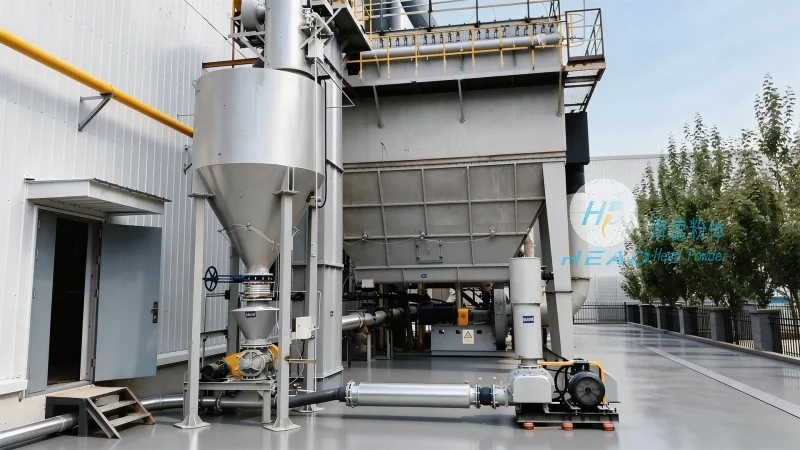
Introduction to Inorganic Salt Transport Methods
Inorganic salts, such as sodium chloride, potassium chloride, and calcium carbonate, are widely used in various industries, including chemical manufacturing, food processing, and water treatment. The choice of transport method depends on several factors, including the properties of the salt, the distance of transport, and the required flow rate. Positive pressure and negative pressure systems are two common solutions, each with its own advantages and limitations.
Positive Pressure Transport: Advantages and Applications
Positive pressure transport involves using a pump or compressor to push the material through a pipeline. This method is particularly effective for transporting inorganic salts that are abrasive, corrosive, or have a high solids content. The positive pressure system ensures a consistent flow rate and prevents the material from settling or clogging the pipeline. It is commonly used in industries where the material needs to be transported over long distances or through complex piping systems.
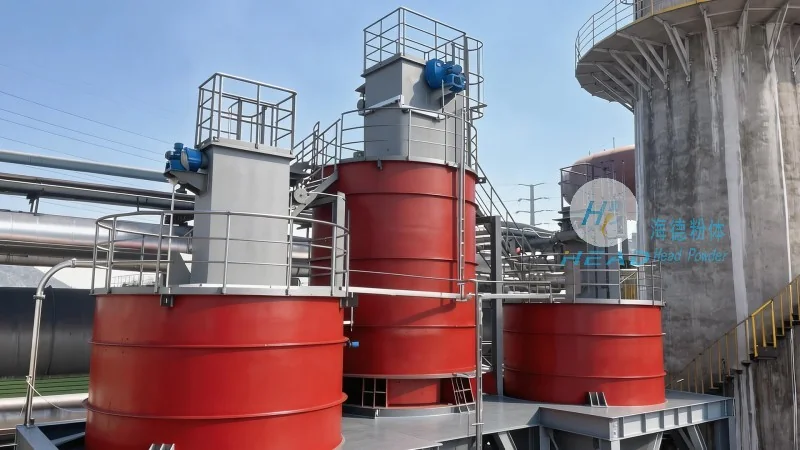
For example, in the chemical industry, positive pressure transport is often used to move sodium hydroxide or sulfuric acid, which are both inorganic salts with high corrosivity. The system can handle high-pressure conditions and maintain the integrity of the pipeline, reducing the risk of leaks or spills. Additionally, positive pressure transport is suitable for materials that are prone to agglomeration, as the pressure helps to break up clumps and maintain a uniform flow.
Negative Pressure Transport: How It Works and When to Use It
Negative pressure transport, also known as vacuum transport, uses a vacuum pump to create a low-pressure environment that draws the material into the pipeline. This method is ideal for transporting materials that are lightweight or have a low density, such as powders or granules. The negative pressure system is energy-efficient and can operate with minimal maintenance, making it a cost-effective solution for short to medium-distance transport.
In the food processing industry, negative pressure transport is often used to move sugar or salt, which are inorganic salts commonly used in food products. The system can handle delicate materials without causing damage or degradation, preserving the quality of the product. Additionally, negative pressure transport is suitable for applications where the material needs to be transported in a controlled environment, such as in pharmaceutical manufacturing, where contamination must be minimized.
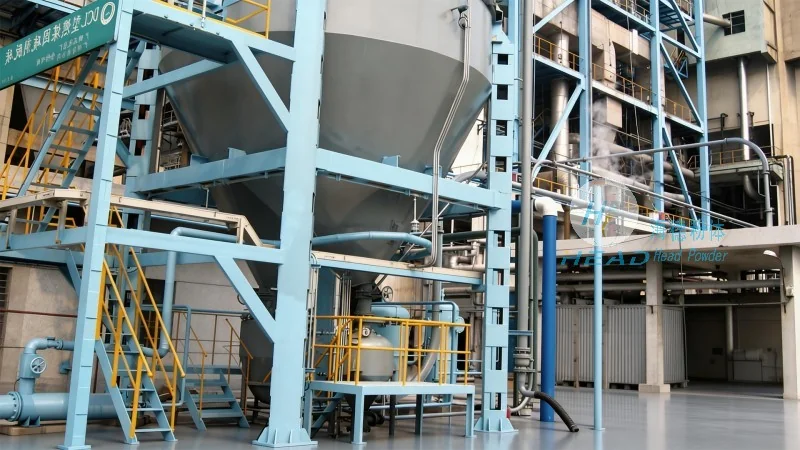
Distinguishing Between Positive and Negative Pressure Systems
There are several key factors to consider when distinguishing between positive and negative pressure transport systems. The first is the material properties. Positive pressure systems are better suited for materials with high abrasiveness or corrosivity, while negative pressure systems are more appropriate for lightweight or low-density materials. The second factor is the distance and complexity of the transport route. Positive pressure systems are ideal for long-distance or complex piping systems, whereas negative pressure systems are better for short to medium distances.
The third factor is the energy consumption and operational costs. Positive pressure systems typically require more energy to operate, as they rely on pumps to maintain pressure. Negative pressure systems, on the other hand, use less energy and are more cost-effective for shorter transport distances. The fourth factor is the risk of leaks and spills. Positive pressure systems have a higher risk of leaks due to the high pressure, while negative pressure systems are less likely to cause spills but may be more prone to clogging if the material is not properly prepared.
Choosing the Right Transport System for Inorganic Salts
When deciding between positive and negative pressure transport for inorganic salts, it is essential to evaluate the specific requirements of your application. Consider the properties of the salt, the distance of transport, the required flow rate, and the operational costs. Positive pressure transport is generally preferred for high-pressure, abrasive, or corrosive materials, while negative pressure transport is suitable for lightweight or low-density materials.
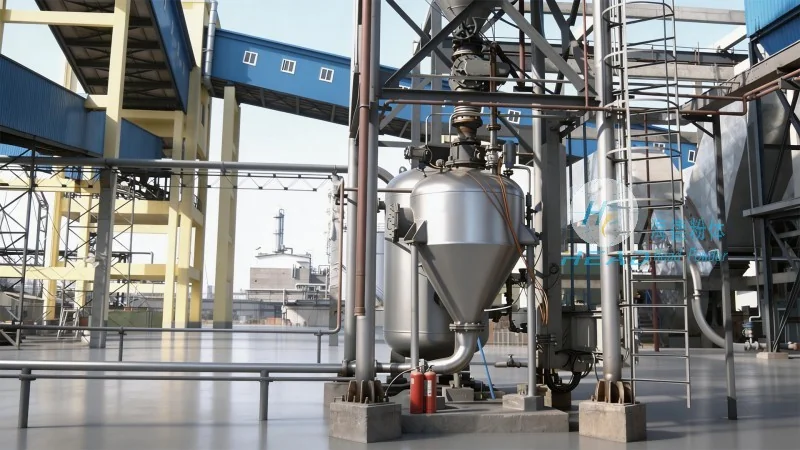
For example, if you are transporting sodium chloride over a long distance in the chemical industry, a positive pressure system with a robust pump and pipeline design would be the best choice. This system can handle the high pressure and corrosive nature of the salt, ensuring a reliable and efficient transport process. On the other hand, if you are transporting sugar in the food processing industry over a short distance, a negative pressure system would be more appropriate, as it is energy-efficient and preserves the quality of the product.
Conclusion
Choosing between positive and negative pressure transport for inorganic salts requires careful consideration of the material properties, transport distance, and operational requirements. Positive pressure systems offer high efficiency and reliability for abrasive or corrosive materials, while negative pressure systems provide cost-effective solutions for lightweight or low-density materials. By understanding the differences between these two methods and evaluating your specific needs, you can select the most suitable transport system to ensure optimal performance and safety.