

[Foam Particle Conveying: Choosing Positive Pressure or Negative Pressure? How to Distinguish?]
When it comes to transporting foam particles, selecting the right conveying method is crucial for efficiency and system performance. Two primary approaches are widely used: positive pressure and negative pressure systems. Understanding the differences between these two methods is essential for making an informed decision that aligns with operational needs and material characteristics. This article explores the key aspects of positive and negative pressure conveying for foam particles, helping you distinguish between the two and choose the most suitable option for your application.
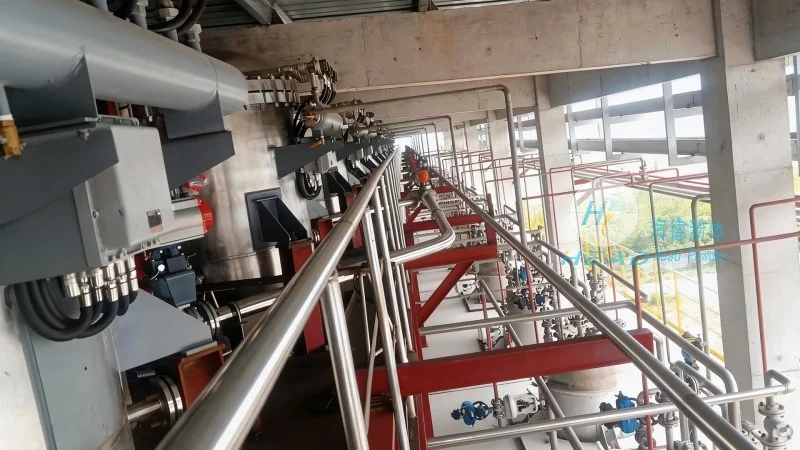
About HeadPowder: Your Trusted Partner in Conveying Solutions
HeadPowder, a leading name in the field of material handling and conveying systems, specializes in providing tailored solutions for foam particle transportation. With a strong presence in Shandong, China, HeadPowder has built a reputation for delivering high-quality, reliable equipment and expert guidance to clients worldwide. Our team of engineers and technicians is dedicated to understanding the unique challenges of foam particle conveying and developing systems that meet the highest standards of performance and durability.
Positive Pressure Conveying: Advantages and Applications
Positive pressure conveying systems operate by forcing air or gas through the material to be transported. This method is often preferred for applications involving abrasive or sticky materials, as it provides consistent and reliable flow. In the context of foam particles, positive pressure systems can effectively handle materials with varying densities and moisture content. The primary advantage of positive pressure is its ability to maintain a stable flow rate, even when dealing with challenging materials. Additionally, these systems are generally more straightforward to install and maintain, making them a popular choice for many industrial settings. HeadPowder offers advanced positive pressure conveying solutions that are designed to optimize performance while minimizing energy consumption and operational costs.
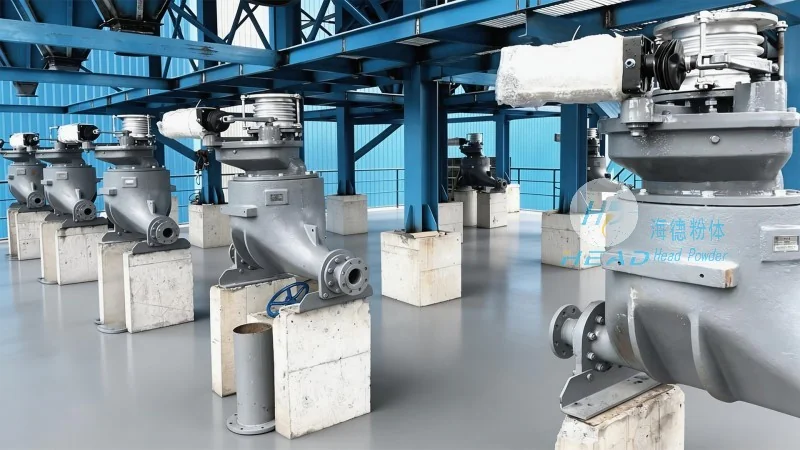
Negative Pressure Conveying: Key Features and Use Cases
Negative pressure conveying, also known as vacuum conveying, works by creating a vacuum to draw material into the system. This approach is particularly effective for handling fine or light materials, as it can capture particles that might otherwise be lost in traditional systems. For foam particles, negative pressure systems are often used when the material is sensitive to pressure or when a gentle handling approach is required. The main benefit of negative pressure is its ability to handle materials with low bulk density, ensuring that even the smallest particles are efficiently transported. However, these systems may require more complex filtration and maintenance to prevent dust and debris from affecting performance. HeadPowder’s negative pressure conveying solutions are engineered to provide gentle yet effective material handling, ensuring that foam particles are transported without damage or degradation.
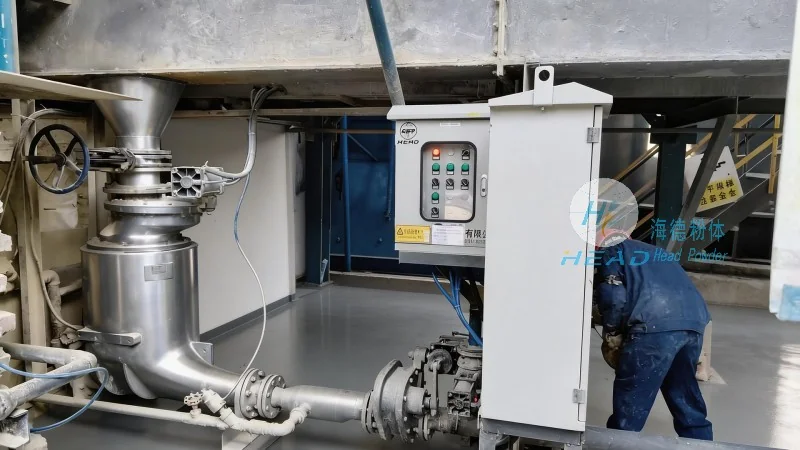
Distinguishing Between Positive and Negative Pressure Conveying
Choosing between positive and negative pressure conveying for foam particles depends on several factors, including material properties, system requirements, and operational constraints. To help you make the right decision, consider the following points:
- Material Characteristics: If the foam particles are abrasive or have high moisture content, positive pressure may be more suitable due to its robust design and ability to handle challenging materials. For delicate or low-density foam particles, negative pressure is often preferred to avoid damage.
- System Complexity and Maintenance: Positive pressure systems are generally simpler to install and maintain, making them ideal for applications with limited technical resources. Negative pressure systems, while more complex, offer advantages in terms of material handling gentleness and can be more energy-efficient in certain scenarios.
- Flow Rate and Capacity: Positive pressure systems typically offer higher flow rates and larger capacity, making them suitable for high-volume applications. Negative pressure systems are better suited for lower volume, more precise conveying tasks.
- Environmental Considerations: Both systems can be designed with environmental protection in mind, but negative pressure systems may require additional filtration to prevent dust emissions. Positive pressure systems may need proper ventilation to manage air quality.
By evaluating these factors and consulting with experts like HeadPowder, you can confidently select the most appropriate conveying method for your foam particle handling needs. Our team at HeadPowder is ready to assist you in designing and implementing the ideal system that meets your specific requirements and ensures optimal performance.