

Choosing Between Positive Pressure and Negative Pressure for Glass Bead Conveying: How to Distinguis
When it comes to conveying glass beads, selecting the right method is crucial for efficiency, cost-effectiveness, and operational safety. Two primary approaches dominate the industry: positive pressure conveying and negative pressure conveying. Understanding the distinctions between these systems is essential for making an informed decision that aligns with your specific application requirements. This article will explore the key differences, advantages, and practical considerations of both positive and negative pressure glass bead conveying systems, helping you determine which option best suits your needs.
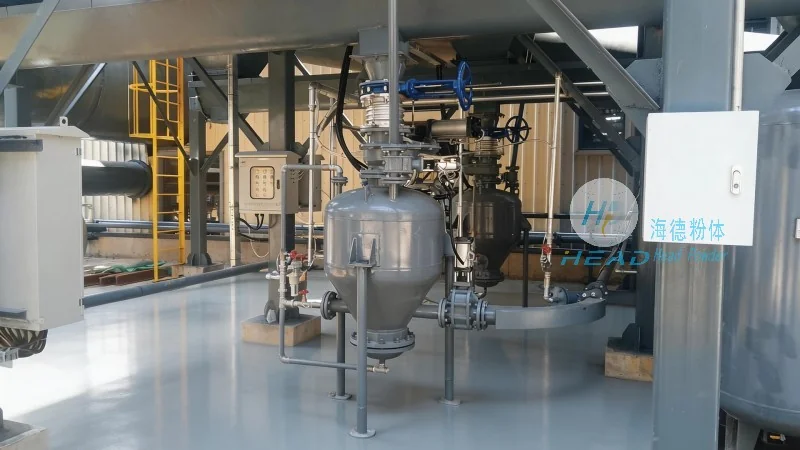
Understanding Glass Bead Conveying Systems
Glass beads are widely used in various industrial applications, including coatings, inks, and as a component in abrasive materials. The choice of conveying method depends on factors such as the bead size, material properties, distance to be transported, and the environment where the system will operate. Both positive and negative pressure systems are designed to move these lightweight, abrasive particles, but they achieve this through different mechanisms.
Positive Pressure Conveying: The Push Method
Positive pressure conveying, also known as pressure blow or push system, operates by forcing air or gas through the conveying line using a positive pressure source. This method involves a blower or compressor that generates higher pressure than the ambient air, pushing the glass beads forward through the pipeline. The system typically includes a hopper, a rotary valve, and a filter to ensure the beads are conveyed without clogging or loss.
One of the main advantages of positive pressure conveying is its ability to handle abrasive materials effectively. The high pressure helps to overcome the resistance caused by the beads' size and density, ensuring consistent flow. Additionally, this method is well-suited for long-distance conveying, as the positive pressure can maintain the flow over extended lengths without significant pressure drop. However, it may require more maintenance due to the higher wear on components like the blower and pipeline, and it can be more expensive to install and operate compared to negative pressure systems.
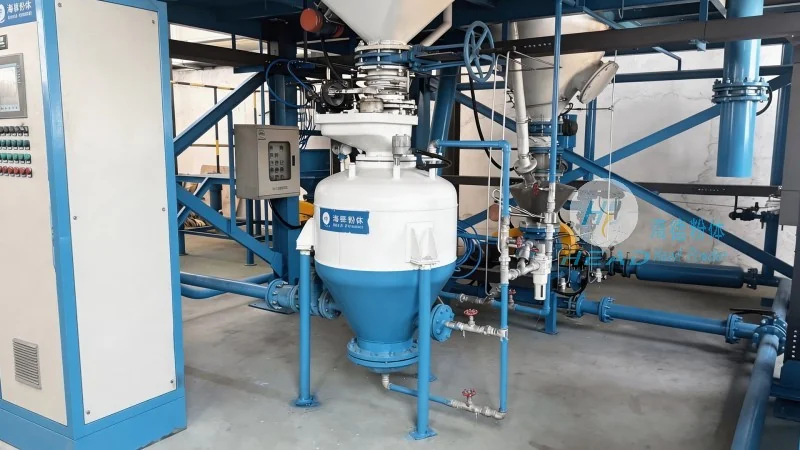
Negative Pressure Conveying: The Suction Method
Negative pressure conveying, or vacuum suction system, works by creating a lower pressure inside the conveying line compared to the ambient air. This pressure differential draws the glass beads into the pipeline, where they are then transported to the destination. The system typically includes a vacuum pump, a hopper with a rotary valve, and a filter to prevent clogging.
One of the key benefits of negative pressure conveying is its lower operational cost and reduced wear on components. Since it relies on suction rather than high-pressure blowers, the equipment is generally less expensive and requires less maintenance. This method is also ideal for short to medium-distance conveying, as the vacuum can effectively move beads over shorter distances without significant pressure loss. However, it may not be as effective for long-distance or high-volume applications, as the suction power diminishes over longer distances, potentially leading to reduced flow rates or clogging.
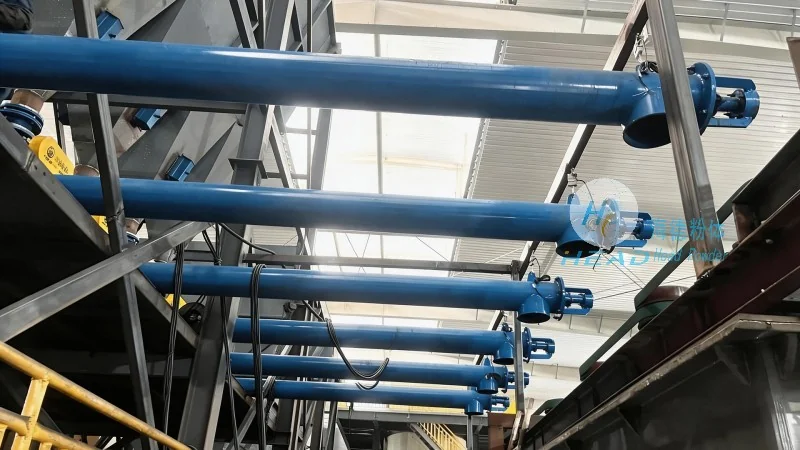
Distinguishing Between Positive and Negative Pressure Conveying
How can you determine which system is right for your glass bead conveying needs? The decision often comes down to several key factors:
- Conveying Distance and Volume: For long-distance or high-volume applications, positive pressure conveying is usually more suitable due to its ability to maintain consistent flow over extended lengths. Negative pressure systems are better for shorter distances or lower volume requirements.
- Material Properties: If the glass beads are highly abrasive or have irregular shapes, positive pressure systems may be preferred as they can handle the increased resistance better. For less abrasive materials, negative pressure systems can be effective.
- Environmental Considerations: Positive pressure systems may generate more noise and require more energy, which could be a concern in certain environments. Negative pressure systems are generally quieter and more energy-efficient.
- Installation and Maintenance: Negative pressure systems are often easier to install and maintain due to their lower pressure requirements. Positive pressure systems may need more robust components and regular maintenance to prevent wear and tear.
Choosing the Right System for Your Application
Ultimately, the choice between positive and negative pressure conveying for glass beads depends on a careful evaluation of your specific requirements. It is recommended to consult with a professional conveyor system provider to assess your needs and recommend the most appropriate solution. By understanding the advantages and limitations of each system, you can make an informed decision that maximizes efficiency, reduces costs, and ensures safe operation.
Shandong HeadPowder Engineering Co., Ltd., a leading manufacturer of glass bead conveying solutions, offers a range of systems tailored to meet diverse industrial needs. With years of experience in the industry, HeadPowder provides expert guidance and high-quality equipment to help businesses optimize their glass bead handling processes. Whether you need a positive pressure or negative pressure system, HeadPowder’s solutions are designed to deliver reliable performance and long-term value.