

Technical Analysis of Mineral Powder Pneumatic Conveying Systems: A Comparison of Positive Pressure
For industries dealing with mineral powders, selecting the right pneumatic conveying system is crucial for efficiency, cost-effectiveness, and operational safety. This article provides a technical analysis of the two primary modes—positive pressure and negative pressure—used in mineral powder handling, offering insights into their design, performance, and suitability for various applications.
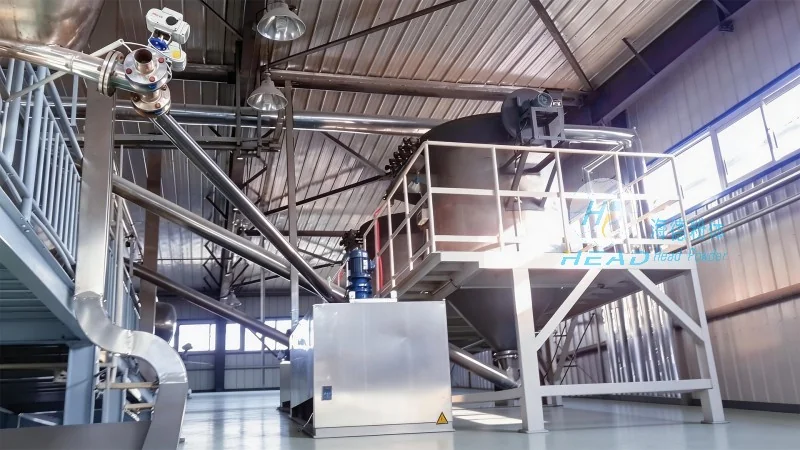
Introduction to Pneumatic Conveying Systems for Mineral Powders
Pneumatic conveying systems transport dry bulk materials like mineral powders using air or gas as the conveying medium. These systems are widely adopted in sectors such as mining, cement, chemicals, and food processing due to their ability to handle fine, abrasive, or dusty materials without the need for mechanical components like belts or buckets. The choice between positive pressure and negative pressure systems depends on factors including material properties, distance to be covered, environmental regulations, and operational requirements.
Understanding the Core Concepts of Pneumatic Conveying
At its essence, pneumatic conveying involves creating a pressure differential to move material through a pipeline. Positive pressure systems operate by blowing air into the pipeline, while negative pressure systems create a vacuum to draw material into the system. Each mode has distinct characteristics that influence its application in mineral powder handling.
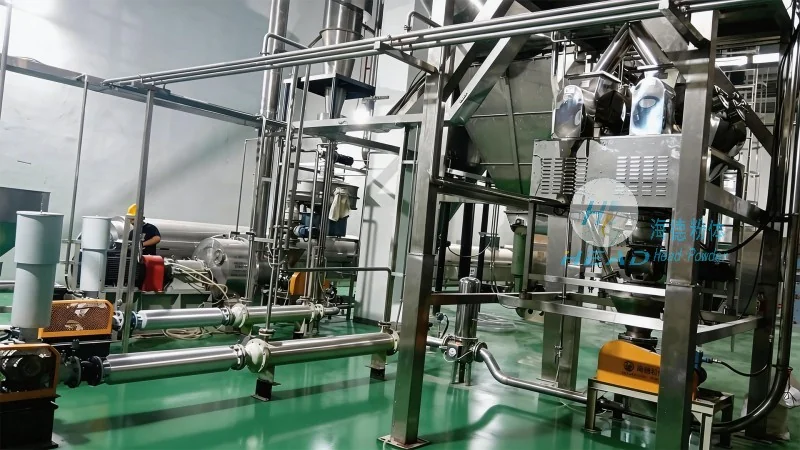
Positive Pressure Conveying: Advantages and Applications
Positive pressure conveying, also known as pressure pneumatic conveying, uses a blower or compressor to generate pressure within the conveying line. This mode is particularly effective for long-distance and high-volume transport of mineral powders. Key advantages include the ability to handle abrasive or corrosive materials, maintain consistent flow rates, and minimize material degradation due to reduced friction and impact. The system is typically more robust and easier to maintain, making it suitable for industrial settings where reliability is paramount. For example, in mining operations, positive pressure systems are often used to transport ore from crushers to storage silos over distances of several kilometers. The high pressure ensures that even fine particles with high moisture content are conveyed efficiently without clogging the pipeline.
Negative Pressure Conveying: Characteristics and Use Cases
Negative pressure conveying, or vacuum pneumatic conveying, operates by creating a vacuum in the pipeline to draw material from the source. This mode is ideal for short-distance transport and applications where dust control and environmental compliance are critical. Unlike positive pressure systems, negative pressure systems do not release air into the environment, making them suitable for food, pharmaceutical, and sensitive industrial processes. The vacuum also helps in capturing fine particles, reducing dust emissions and improving workplace safety. However, negative pressure systems are generally less efficient for long distances and may require more powerful vacuum pumps, which can increase energy consumption. They are commonly used in applications such as transporting flour, cement, or other fine powders from storage bins to processing equipment over short distances, typically under 100 meters.
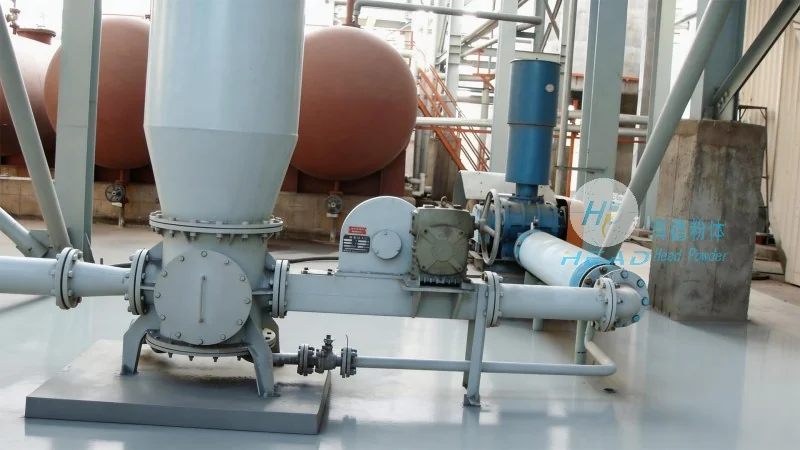
Technical Considerations in Design and Implementation
The successful implementation of either positive or negative pressure systems depends on careful consideration of several technical factors. These include the material's bulk density, particle size distribution, moisture content, and flowability, as these properties directly impact the required air velocity and pressure. The system design must also account for pipeline diameter, length, and the number of bends or fittings, as these elements affect pressure drop and energy consumption. For instance, in a positive pressure system, the blower's capacity must be sufficient to overcome the total pressure loss in the pipeline, which includes friction losses, elevation changes, and losses at fittings. In contrast, negative pressure systems require vacuum pumps with adequate capacity to maintain the necessary suction pressure, ensuring material is drawn into the pipeline without blockages.
Conclusion: Choosing the Right Conveying Mode for Mineral Powders
Both positive pressure and negative pressure pneumatic conveying systems offer viable solutions for mineral powder handling, each with its own set of advantages and limitations. Positive pressure systems excel in long-distance, high-volume applications where efficiency and reliability are key, while negative pressure systems are better suited for short-distance, dust-sensitive operations where environmental and safety considerations are paramount. By understanding the technical characteristics and application requirements of each mode, industries can select the most appropriate system to optimize their mineral powder handling processes. As a leading provider in the field, Shandong HeadPowder Engineering Co., Ltd. specializes in designing and manufacturing customized pneumatic conveying solutions tailored to the specific needs of mineral processing facilities, ensuring efficient, safe, and cost-effective material transport.