

[Boron Sand Pneumatic Conveying System Technical Analysis: Positive Pressure vs Negative Pressure Co
HeadPowder, a leading engineering firm based in Shandong, China, specializes in the design and implementation of advanced pneumatic conveying systems for various industrial applications. This technical analysis focuses on the comparison between positive pressure and negative pressure conveying modes, specifically tailored for the transportation of boron sand—a critical raw material in chemical and industrial processes.
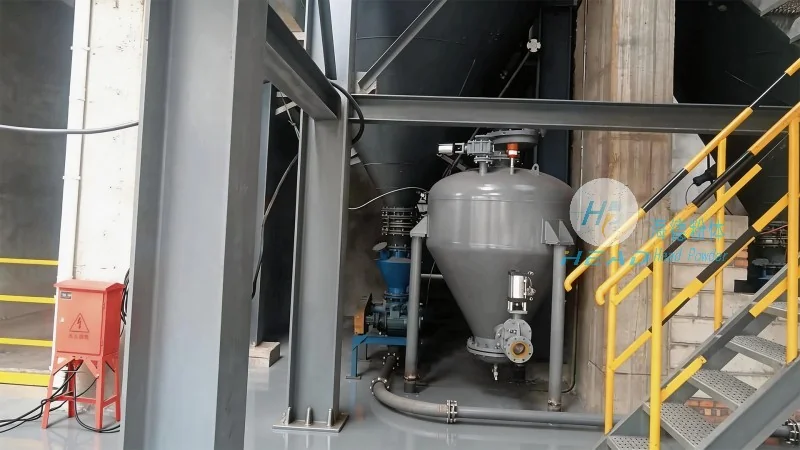
Introduction to Pneumatic Conveying Systems for Boron Sand
Pneumatic conveying systems are widely used in the handling of bulk materials like boron sand due to their efficiency, flexibility, and ability to minimize material degradation. These systems rely on the movement of air or gas to transport solid particles through pipelines. The choice between positive pressure and negative pressure modes significantly impacts system performance, energy consumption, and operational safety. Understanding the technical nuances of each mode is essential for selecting the most suitable solution for boron sand transportation.
Positive Pressure Conveying Mode: Technical Overview
Positive pressure conveying systems operate by blowing air or gas into the conveying line, creating a pressure higher than the ambient air pressure. This method propels the boron sand particles forward through the pipeline. The system typically includes a blower or compressor at the inlet, which supplies the necessary pressure to move the material. A key advantage of positive pressure systems is their ability to handle long distances and multiple transfer points without significant pressure loss. They are also effective in preventing dust emissions from the system, as the entire pipeline is under positive pressure, reducing the risk of external air infiltration.
From a technical perspective, positive pressure systems require robust equipment capable of withstanding higher pressures. The blower or compressor must be sized to handle the specific flow rate and pressure requirements of boron sand, which can vary based on particle size, density, and moisture content. The system design often incorporates features such as pulse-jet cleaning to maintain pipeline integrity and prevent clogging, which is crucial for maintaining consistent material flow. Additionally, positive pressure systems are generally more suitable for applications where the material needs to be transported to a higher elevation or over long horizontal distances.
Negative Pressure Conveying Mode: Technical Overview
Negative pressure conveying systems, also known as vacuum systems, operate by creating a vacuum at the inlet of the conveying line, drawing the boron sand particles into the pipeline. The system uses a vacuum pump to remove air from the line, creating a pressure lower than the ambient air pressure. This method is particularly effective for short-distance or low-elevation transfers, as the vacuum pressure is limited by the pump's capacity and the system's resistance.
Technically, negative pressure systems are simpler in terms of equipment, as they do not require high-pressure blowers. Instead, they rely on vacuum pumps that are generally more energy-efficient for shorter conveying distances. However, these systems are more susceptible to dust emissions and external contamination, as the pipeline is under negative pressure and can draw in ambient air. To mitigate this, negative pressure systems often include dust collection and filtration systems at the inlet to prevent particulate matter from entering the pipeline and affecting downstream processes.
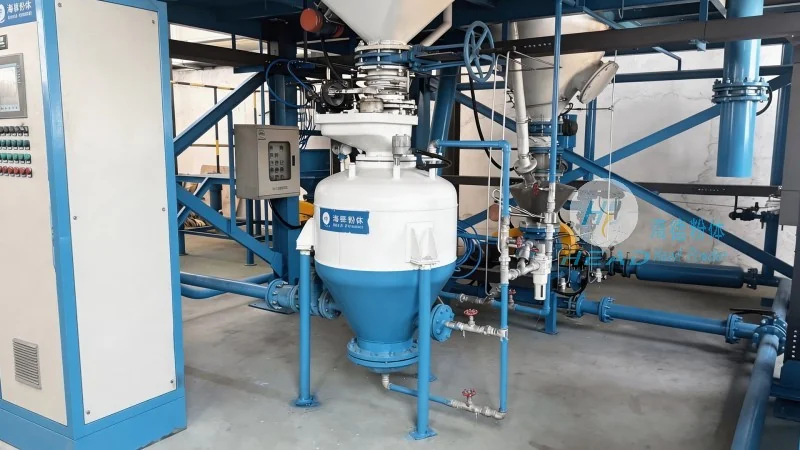
The design of negative pressure systems focuses on minimizing pressure drop and maintaining consistent airflow. The pipeline layout is critical, as excessive bends or restrictions can lead to increased energy consumption and potential system failure. For boron sand, which may have varying particle sizes, the system must be configured to handle the specific flow characteristics, ensuring that the vacuum pump can maintain the required suction pressure without causing material degradation or blockages.
Performance Comparison: Positive vs Negative Pressure Modes
When comparing the two modes for boron sand transportation, several factors come into play, including efficiency, energy consumption, material handling capabilities, and operational safety. Positive pressure systems generally offer higher conveying capacities and are more suitable for long-distance or high-elevation transfers, making them ideal for industrial plants with extensive material handling needs. They are also better at controlling dust emissions, which is crucial for maintaining a safe and clean working environment.
On the other hand, negative pressure systems are more energy-efficient for short-distance applications and require less robust equipment, making them a cost-effective option for smaller-scale operations or where the material needs to be transported over short horizontal distances. However, their lower conveying capacity and higher susceptibility to dust contamination limit their use in large-scale or high-demand applications.
Energy consumption is another critical factor. Positive pressure systems typically consume more energy due to the higher pressure required to move the material, especially over long distances. Negative pressure systems, while more energy-efficient for short distances, may require additional energy for dust collection and filtration systems to maintain air quality. The choice between the two modes often depends on the specific operational requirements, including the distance, elevation change, and material characteristics of the boron sand being transported.
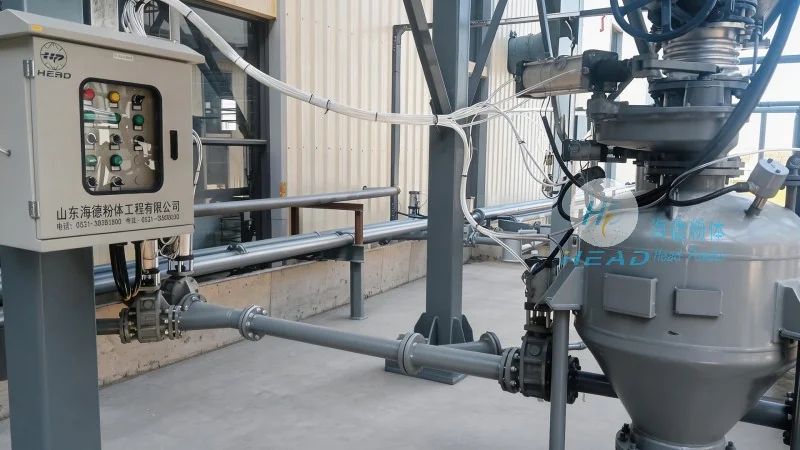
Technical Considerations for Boron Sand Handling
Handling boron sand in pneumatic conveying systems requires careful consideration of several technical aspects to ensure optimal performance and system longevity. Particle size and density are key factors, as they affect the flow characteristics and pressure requirements of the system. Boron sand particles may vary in size, from fine powders to larger granules, which can impact the system's design and operation. For example, fine particles may require higher air velocities to prevent clogging, while larger granules may need lower velocities to avoid excessive wear on the pipeline and equipment.
Moisture content is another critical parameter. Boron sand with higher moisture levels may be more prone to clumping or agglomeration, which can lead to blockages in the pipeline. The system design must account for moisture content, potentially including drying or conditioning steps before conveying to ensure smooth material flow. Additionally, the system must be designed to handle the abrasive nature of boron sand, as it can cause wear on the pipeline and equipment components over time. Materials such as stainless steel or special coatings are often used to protect the system from corrosion and wear.
System maintenance and reliability are also important considerations. Regular maintenance, including cleaning and inspection of the pipeline and equipment, is essential to prevent clogging and ensure consistent performance. The use of high-quality components and materials can extend the system's lifespan and reduce downtime. For industrial applications, reliability is crucial, as any downtime can result in significant production losses.
Conclusion: Selecting the Right Conveying Mode for Boron Sand
In conclusion, the choice between positive pressure and negative pressure conveying modes for boron sand transportation depends on the specific operational requirements, including distance, elevation, material characteristics, and energy efficiency considerations. Positive pressure systems offer higher capacity and better dust control, making them suitable for large-scale or long-distance applications. Negative pressure systems, while more energy-efficient for short distances, are better suited for smaller-scale operations or where the material needs to be transported over short horizontal distances.
HeadPowder, with its expertise in engineering and design, provides tailored solutions for boron sand pneumatic conveying systems. By carefully evaluating the technical aspects and operational needs, the company can recommend the most suitable conveying mode and system configuration to ensure efficient, reliable, and cost-effective material handling. The technical analysis presented here highlights the importance of understanding the differences between positive and negative pressure modes and how they impact the performance of boron sand transportation systems.