

Positive Pressure and Negative Pressure Conveying of Paddy: A Comparative Analysis of Two Pneumatic
Efficient material handling is a critical component in modern agricultural processing, particularly for paddy grain, which requires reliable and effective methods to transport it from storage to processing units. Among the various technologies available, pneumatic conveying systems stand out as a versatile solution. This article provides a detailed comparison between positive pressure and negative pressure conveying methods, focusing on their applications in paddy handling and the key factors that influence their selection.
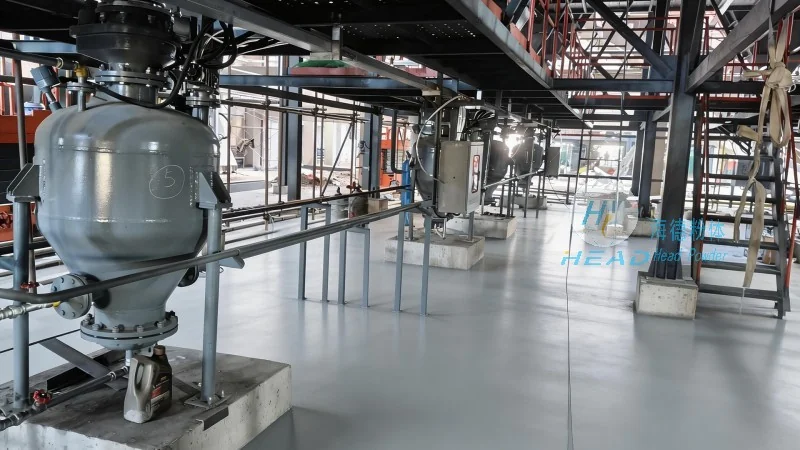
Introduction to Pneumatic Conveying in Paddy Processing
Pneumatic conveying, also known as air conveying, is a method of transporting bulk materials like paddy grain using a stream of air. This technology offers several advantages over traditional mechanical conveying, including reduced equipment wear, lower maintenance costs, and the ability to handle materials in a closed system, minimizing dust and contamination. For paddy processing facilities, the choice between positive and negative pressure systems can significantly impact operational efficiency, energy consumption, and overall system reliability.
Positive Pressure Conveying: How It Works and Key Features
Positive pressure conveying operates by blowing air into the conveying line, creating a pressure higher than the ambient air pressure. The material is then drawn into the system by the pressure differential and carried along the pipeline. This method is often preferred for short to medium-distance conveying, as it requires less energy compared to negative pressure systems. The system typically includes a blower, a hopper for material loading, and a discharge point at the receiving end. The high pressure ensures that the material is moved efficiently, even when dealing with sticky or cohesive paddy grains.
A key advantage of positive pressure systems is their ability to handle a wide range of materials, including those with high moisture content or those that tend to clump together. The positive pressure also helps in maintaining a consistent flow rate, which is crucial for maintaining the quality of the paddy during transport. However, these systems may require more robust equipment to withstand the higher pressures, and they can be more expensive to install and maintain compared to negative pressure alternatives.
Negative Pressure Conveying: Mechanism and Advantages
Negative pressure conveying, on the other hand, works by creating a vacuum in the conveying line, which draws the material and air into the system. The material is then transported to the discharge point, where the air is filtered and the material is collected. This method is particularly suitable for longer conveying distances and for handling materials that are more prone to dust generation. The lower pressure requirements make negative pressure systems more energy-efficient for long-distance transport, as the vacuum is maintained by a fan or an ejector.
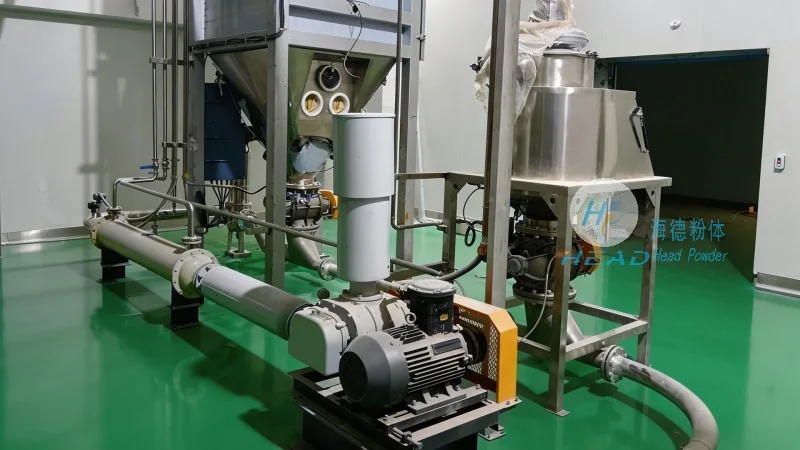
One of the main benefits of negative pressure systems is their lower initial cost and reduced energy consumption for long-distance conveying. The vacuum created allows for the efficient collection of fine particles, which is essential for maintaining the purity of paddy grain. However, these systems are more susceptible to clogging and blockages, especially when dealing with materials that have high moisture content or are prone to forming agglomerates. Regular maintenance and cleaning are necessary to prevent system downtime.
Comparative Analysis: Positive vs. Negative Pressure Conveying
When comparing positive and negative pressure conveying for paddy grain, several factors come into play. The choice between the two systems depends on the specific requirements of the processing facility, including the distance between the loading and discharge points, the material characteristics, and the desired energy efficiency. For short to medium distances, positive pressure systems are often more cost-effective and reliable due to their lower maintenance needs and ability to handle a wider range of materials. For longer distances, negative pressure systems may be more suitable, as they offer better energy efficiency and can handle larger volumes with less pressure.
Another critical factor is the impact on material quality. Positive pressure systems can help maintain the integrity of the paddy grain by minimizing friction and impact during transport, which is important for preserving the grain's quality and market value. Negative pressure systems, while effective for dust control, may cause more friction and abrasion, potentially affecting the grain's texture and appearance. The choice of system also affects the overall system design, with positive pressure systems requiring higher pressure components and negative pressure systems needing robust filtration and vacuum maintenance.
Factors Influencing the Selection of Pneumatic Conveying Systems
The selection of the appropriate pneumatic conveying system for paddy grain processing involves a careful evaluation of several technical and operational factors. The distance between the source and destination, the volume of material to be transported, and the material's physical properties are all critical considerations. For example, if the conveying distance is short and the material is sticky or cohesive, a positive pressure system may be the better choice. Conversely, for long-distance transport of dry, free-flowing paddy, a negative pressure system could offer better energy savings and lower operational costs.
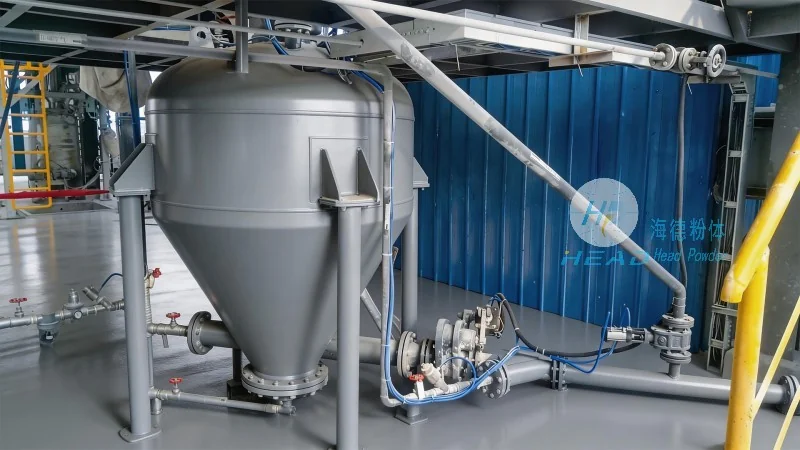
Energy consumption is another key factor, as it directly impacts the long-term operational costs of the system. Positive pressure systems typically consume more energy due to the higher pressure requirements, while negative pressure systems are more energy-efficient for long distances. However, the initial investment and maintenance costs must also be considered. Positive pressure systems may have higher upfront costs and require more frequent maintenance, whereas negative pressure systems may have lower initial costs but higher maintenance requirements for filtration and vacuum components.
Conclusion: Choosing the Right Conveying Method for Paddy Processing
In conclusion, both positive pressure and negative pressure pneumatic conveying methods offer viable solutions for transporting paddy grain in processing facilities. The choice between the two depends on a combination of technical, operational, and economic factors. Positive pressure systems are generally more suitable for short to medium distances and for handling materials with specific characteristics, while negative pressure systems are better suited for longer distances and for applications where energy efficiency and dust control are paramount.
For facilities seeking to optimize their paddy handling operations, a thorough analysis of the conveying requirements and a comparison of the pros and cons of each system is essential. By selecting the appropriate pneumatic conveying method, processing plants can improve efficiency, reduce costs, and maintain the quality of their paddy grain throughout the transport process.
Shandong HeadPowder Engineering Co., Ltd., a leading provider of pneumatic conveying solutions, specializes in designing and manufacturing customized systems tailored to the specific needs of agricultural processing facilities. With a focus on innovation and quality, HeadPowder offers advanced solutions that enhance the efficiency and reliability of paddy handling operations. The company's expertise in positive and negative pressure systems ensures that clients receive the most suitable equipment for their unique requirements, helping them achieve optimal performance and cost-effectiveness in their processing operations.