

Positive vs. Negative Pressure Pneumatic Conveying for MSG: A Comparative Analysis
When it comes to transporting monosodium glutamate (MSG) efficiently and safely, the choice of pneumatic conveying system is critical. Two primary methods dominate the industry: positive pressure and negative pressure systems. Each has its own advantages and limitations, making it essential for manufacturers to understand the nuances of each approach to select the most suitable solution for their operations.
Understanding Positive Pressure Pneumatic Conveying
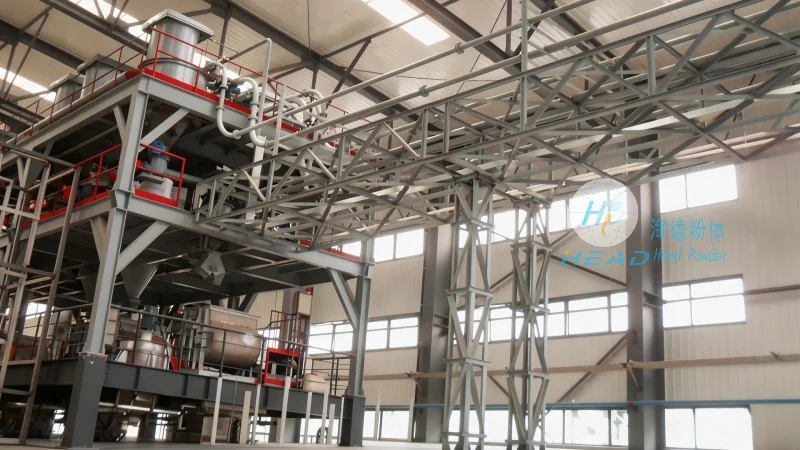
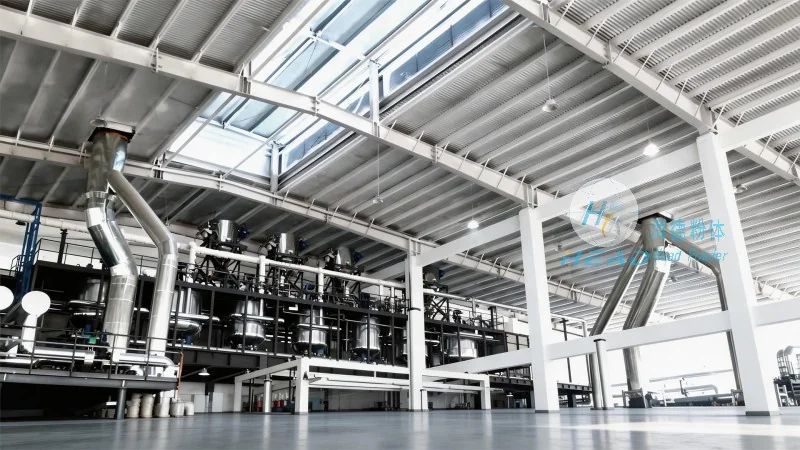
Positive pressure pneumatic conveying systems operate by blowing air or gas into the conveying line, creating a pressure higher than the ambient air pressure. This method is particularly effective for transporting MSG over long distances or through complex piping networks. The system typically uses a blower or compressor to generate the necessary pressure, ensuring that the material is propelled through the system with consistent flow rates. For headpowder, a leading provider of engineering solutions, this approach is often favored in applications where the material needs to be moved from a central storage to multiple processing points or packaging lines. The positive pressure system ensures that the material is conveyed without the risk of contamination from external air, maintaining product integrity. However, it requires careful maintenance of the air filtration system to prevent dust accumulation and ensure compliance with air quality standards. The energy consumption of positive pressure systems can also be higher compared to negative pressure systems, as more power is needed to maintain the elevated pressure throughout the conveying line.
Advantages and Considerations of Positive Pressure Conveying
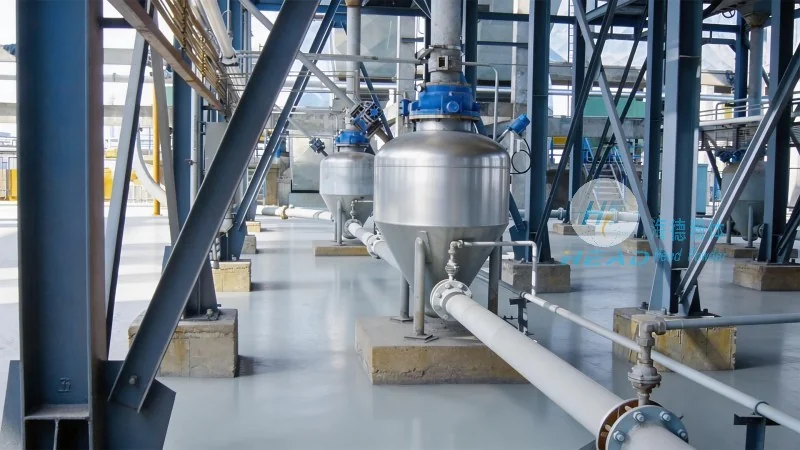
Positive pressure systems offer several key benefits for MSG handling. They provide reliable and consistent material flow, which is crucial for maintaining production line efficiency. The sealed system prevents the escape of dust or particles, reducing the risk of product contamination and environmental pollution. Additionally, these systems can handle a wide range of material characteristics, including different particle sizes and moisture content, making them versatile for various MSG formulations. However, the high pressure operation demands robust equipment and regular maintenance to avoid leaks or pressure drops that could disrupt the conveying process. The cost of installation and operation, particularly the energy consumption, may be a significant factor for companies operating on a tight budget. Furthermore, the system's complexity can increase the downtime risk if any component fails, requiring skilled technicians for maintenance.
Exploring Negative Pressure Pneumatic Conveying
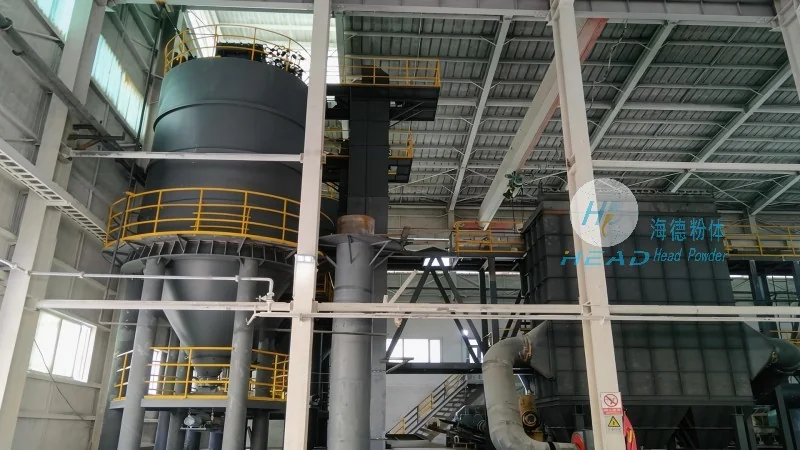
Negative pressure pneumatic conveying, also known as suction conveying, operates by creating a vacuum in the conveying line, drawing the material and air mixture into the system. This method is ideal for short to medium distance transport and for applications where the material needs to be collected from multiple points and moved to a central processing unit. The system uses a vacuum pump to create the suction, which pulls the material through the line. For headpowder, this approach is often used in scenarios where the material is being transferred from a silo or hopper to a mixer or packaging machine, especially in facilities with limited space or where the material is prone to caking. The negative pressure system is generally more energy-efficient compared to positive pressure systems, as it only needs to overcome the resistance of the conveying line rather than maintain a high pressure. This can lead to lower operational costs and reduced energy consumption over time. However, the system has its own set of challenges, such as the risk of dust accumulation in the suction line, which can affect the vacuum pump's performance and require regular cleaning. The sealed nature of the system is also important to prevent the ingress of external contaminants, as the vacuum can draw in air from the surroundings if the system is not properly sealed.