

PE Pellet Positive Pressure Conveying vs. Negative Pressure Conveying: A Comparative Analysis of Two
When it comes to transporting polyethylene (PE) pellets, the choice between positive pressure and negative pressure pneumatic conveying systems is a critical decision for industrial operations. Both methods leverage air to move material, but they differ significantly in design, performance, and suitability for various applications. This analysis from Shandong HeadPowder Engineering Co., Ltd., a leading provider of material handling solutions based in China, explores the key aspects of each approach to help businesses select the most appropriate system for their needs.
Understanding Positive Pressure Conveying
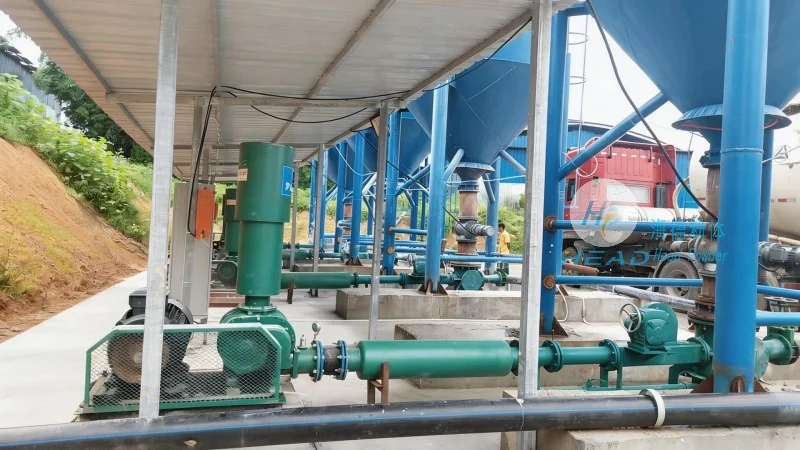
Positive pressure conveying operates by blowing air into the system, creating a pressure higher than the ambient environment. The material is fed into the system, and the pressurized air propels the pellets through the pipeline. This method is often preferred for long-distance or high-capacity applications, as it can maintain consistent flow rates and handle abrasive or sticky materials without significant wear on components. The system typically includes a blower, a hopper for material storage, and a discharge point at the destination. Positive pressure systems are also relatively easy to install and maintain, making them a popular choice for many industries.
Understanding Negative Pressure Conveying
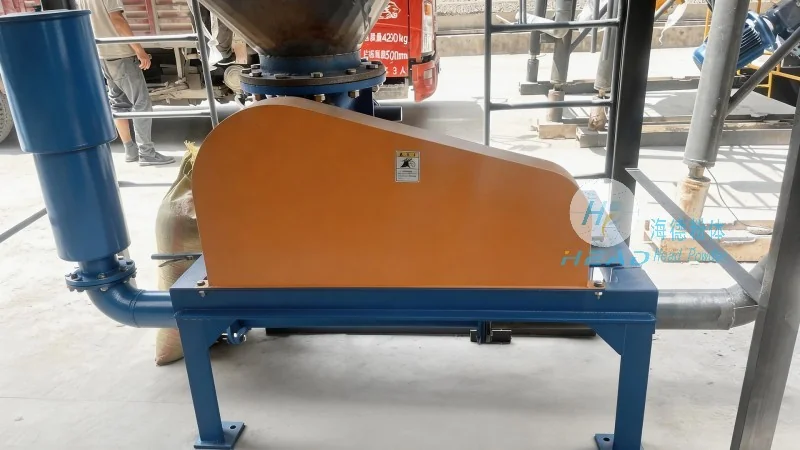
Negative pressure conveying, also known as suction conveying, works by creating a vacuum in the system. Air is drawn out of the pipeline, pulling the PE pellets along with it. This method is generally more suitable for shorter distances and applications where the material is less abrasive or where dust control is a priority. Negative pressure systems are often used in environments where contamination or product loss is a concern, as the sealed pipeline prevents material from escaping. However, they may require more powerful vacuum pumps and can be less efficient for very long distances or high-volume transport compared to positive pressure systems.
Key Differences in Performance and Application
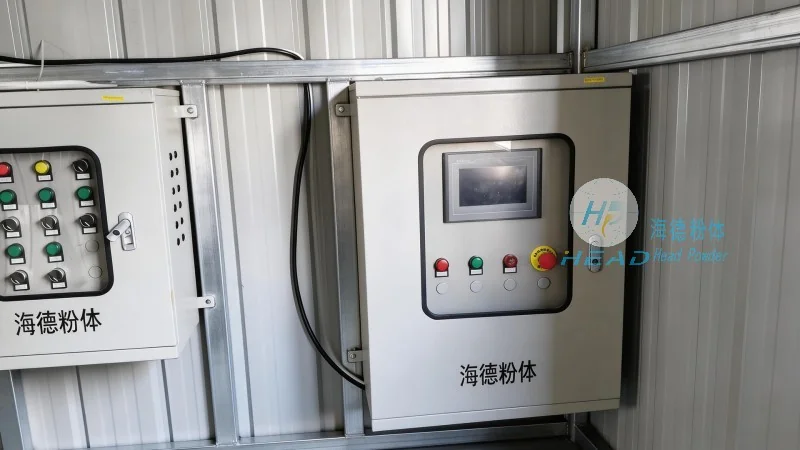
Several factors distinguish positive pressure from negative pressure conveying. One of the most significant is the pressure differential. Positive pressure systems maintain a pressure above atmospheric, which can result in higher flow rates and better control over material movement. Negative pressure systems rely on suction, which may lead to lower flow rates and potential issues with air leakage or material clogging. Another key difference is the impact on the material itself. Positive pressure can cause more wear on the pellets due to the direct impact of air and particles, while negative pressure is gentler and may be preferred for delicate or sensitive PE products. Additionally, the cost and complexity of the equipment vary. Positive pressure systems often require robust blowers and may need more extensive ductwork, whereas negative pressure systems may use less expensive vacuum pumps but could require more maintenance to prevent air leaks.
Considerations for Choosing the Right System
When deciding between positive and negative pressure conveying for PE pellets, several factors should be considered. The distance between the source and destination is a primary factor. For short distances, negative pressure may be sufficient, but for long distances or high-volume transport, positive pressure is often more efficient. The nature of the PE pellets also plays a role. If the pellets are abrasive or sticky, positive pressure may be better to handle the wear and maintain flow. Conversely, if the pellets are delicate or the application requires minimal product loss, negative pressure might be the better choice. Environmental considerations, such as dust control or the need to prevent contamination, can also influence the decision. Positive pressure systems may require additional filtration to manage dust, while negative pressure systems inherently contain the material within the pipeline. Finally, the overall cost of installation and operation should be evaluated. Positive pressure systems may have higher upfront costs due to the blower and ductwork, but they can offer lower long-term maintenance costs if properly maintained. Negative pressure systems may have lower initial costs but could incur higher maintenance expenses due to the vacuum pumps and seals.
Conclusion
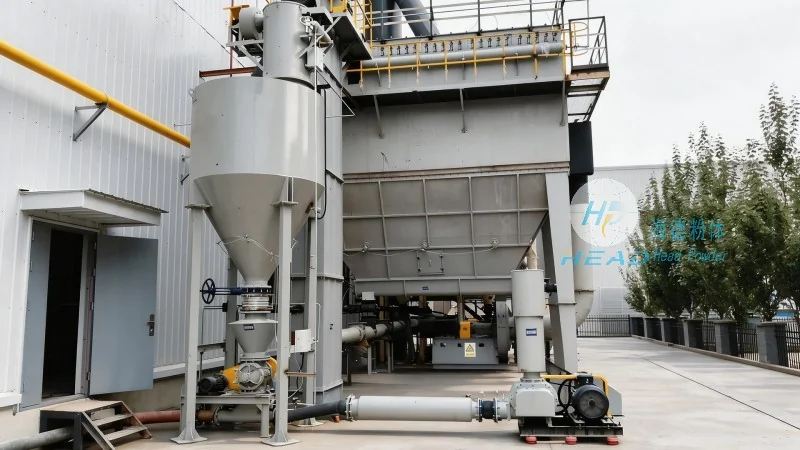
Both positive pressure and negative pressure pneumatic conveying methods have their advantages and are suitable for different PE pellet transport scenarios. Positive pressure systems are ideal for long-distance, high-capacity applications and can handle abrasive materials effectively. Negative pressure systems are better suited for shorter distances, delicate products, and applications where dust control and product containment are critical. By understanding the specific requirements of the operation, including distance, material characteristics, and environmental needs, businesses can select the most appropriate conveying system. Shandong HeadPowder Engineering Co., Ltd. specializes in designing and implementing customized material handling solutions to meet the unique needs of industrial clients, ensuring efficient and reliable PE pellet transport for various applications.