

Technical Analysis of Corn Kernels Pneumatic Conveying Systems: Comparison of Positive and Negative
Shandong HeadPowder Engineering Co., Ltd., a leading manufacturer in the field of pneumatic conveying technology, specializes in providing efficient and reliable solutions for transporting bulk materials such as corn kernels. With a focus on innovation and precision engineering, the company has established itself as a trusted partner for industries requiring high-performance material handling systems.
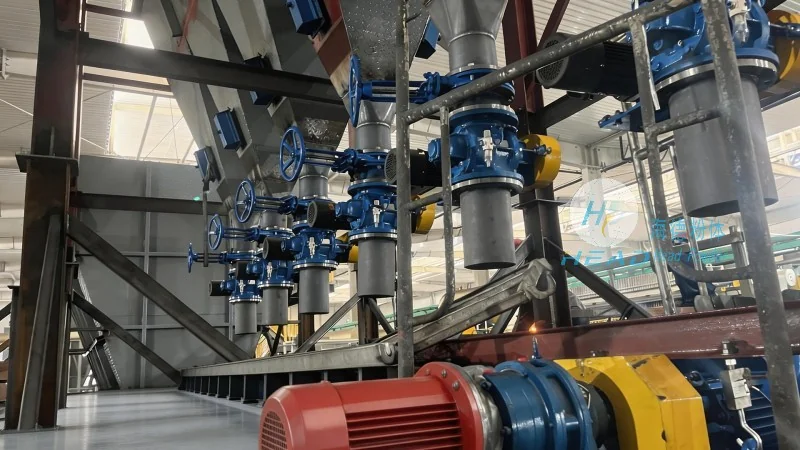
Pneumatic Conveying Systems: An Overview
Pneumatic conveying systems are widely used in various industries for the transport of dry bulk materials, including grains, powders, and granules. These systems utilize air or gas to move materials through a pipeline, offering advantages like low maintenance, flexibility, and the ability to handle materials in a closed environment. For corn kernels, which are sensitive to moisture and temperature changes, selecting the right conveying mode is crucial to maintain product quality and ensure efficient operation.
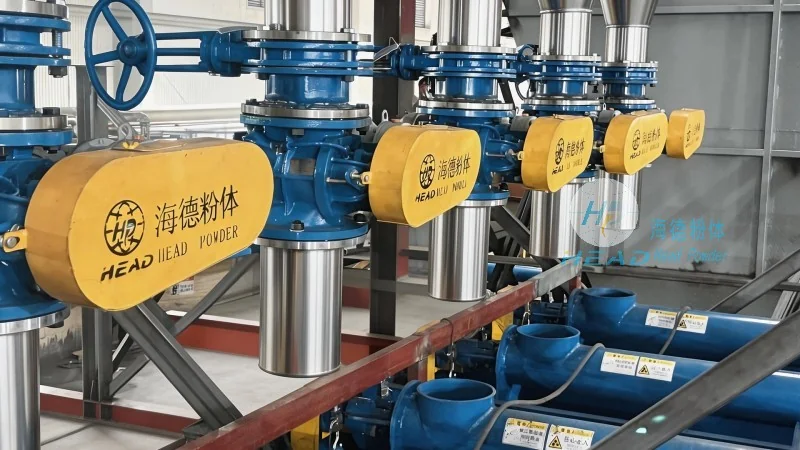
Positive Pressure Conveying Mode: Advantages and Applications
Positive pressure conveying, also known as pressure pneumatic conveying, operates by blowing air or gas into the conveying line under pressure. This method is particularly effective for transporting corn kernels over long distances or through complex piping networks. The primary advantages of positive pressure systems include high conveying capacity, the ability to handle abrasive materials, and reduced risk of material degradation due to minimal contact with the conveying line. In applications where the material is to be transported from a central source to multiple destinations, positive pressure systems are often preferred due to their ability to distribute material efficiently to various points.
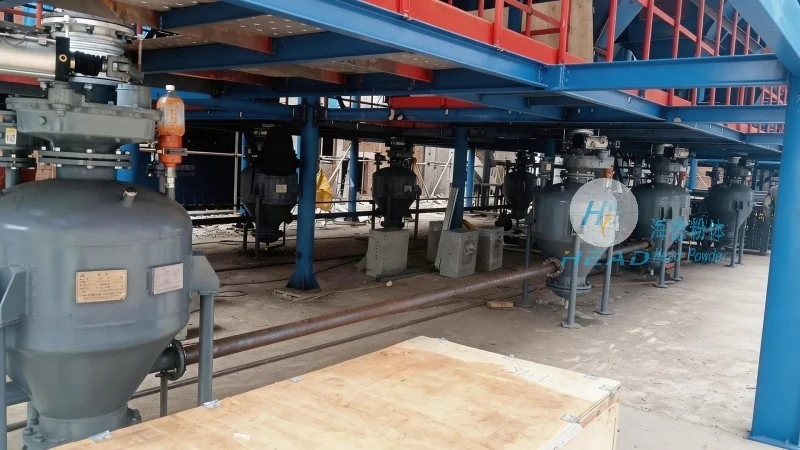
Negative Pressure Conveying Mode: Benefits and Considerations
Negative pressure conveying, or vacuum pneumatic conveying, works by creating a vacuum in the conveying line to draw material from the source. This method is ideal for short-distance transport or when the material needs to be collected from multiple points and transported to a central location. The benefits of negative pressure systems include lower energy consumption compared to positive pressure systems, as they do not require high-pressure air compressors. Additionally, negative pressure conveying is less likely to cause dust emissions, making it suitable for applications where environmental control is a priority. However, negative pressure systems may have lower conveying capacities and are more susceptible to clogging, especially with materials that have high moisture content or are prone to clumping.
Key Factors in Selecting the Right Conveying Mode for Corn Kernels
When choosing between positive and negative pressure conveying for corn kernels, several factors must be considered. The distance between the source and destination is a critical factor; longer distances typically favor positive pressure systems due to their higher capacity and ability to maintain pressure over extended pipelines. The nature of the corn kernels, such as size, moisture content, and tendency to clump, also influences the choice. For example, if the kernels are large and have high moisture content, a positive pressure system with robust airlocks and filters may be necessary to prevent blockages and maintain material flow. Conversely, for smaller, dry kernels with low clumping tendency, a negative pressure system might suffice. The cost of equipment and energy consumption is another important consideration. Positive pressure systems generally require more powerful air compressors, leading to higher operational costs, while negative pressure systems are more energy-efficient but may have higher initial setup costs due to the need for vacuum pumps.
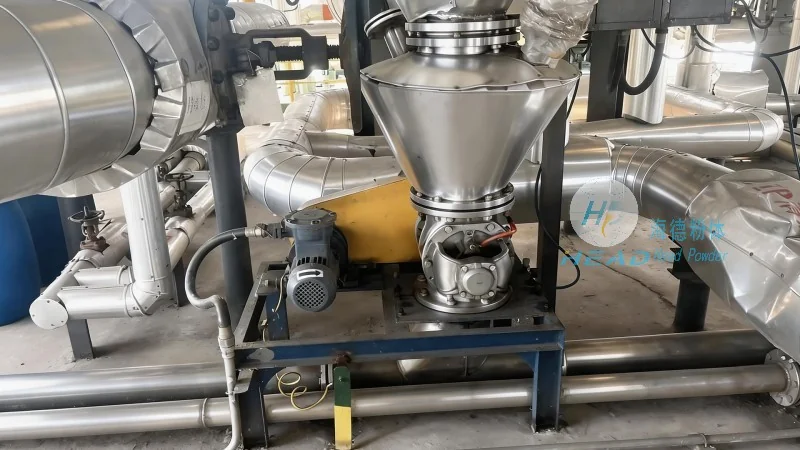
Shandong HeadPowder Engineering Co., Ltd.: Expertise in Pneumatic Conveying Solutions
Shandong HeadPowder Engineering Co., Ltd. leverages its extensive experience and technical expertise to design and manufacture customized pneumatic conveying systems tailored to the specific needs of corn kernel processing facilities. The company's engineers work closely with clients to assess their operational requirements, material characteristics, and budget constraints to recommend the most suitable conveying mode—whether positive or negative pressure. By integrating advanced materials and engineering principles, HeadPowder ensures that its systems deliver optimal performance, reliability, and durability. The company's commitment to quality and customer satisfaction has made it a preferred choice for industries seeking efficient and cost-effective material handling solutions.