

Metal Silicon Pneumatic Conveying Technology: In-Depth Analysis of Vacuum and Positive Pressure Conv
Efficient material handling is a critical aspect of modern industrial operations, and for metal silicon—a key component in various manufacturing processes—pneumatic conveying systems offer a reliable and versatile solution. This article delves into the technical nuances of both vacuum and positive pressure pneumatic conveying methods, exploring their applications, advantages, and practical considerations for industries relying on metal silicon processing.
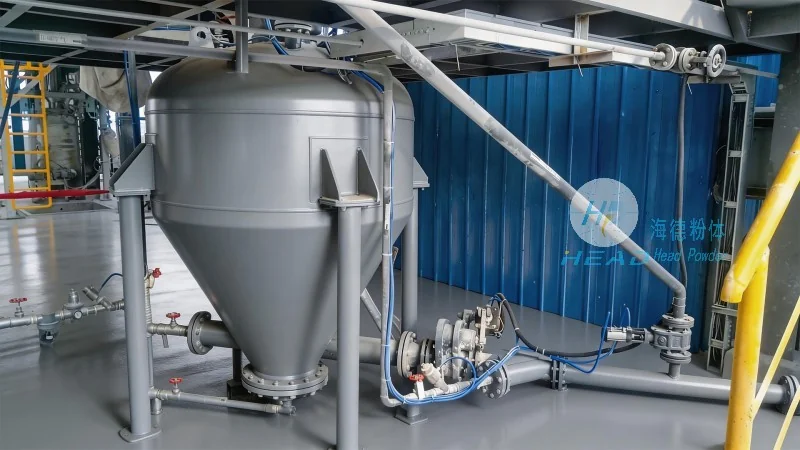
About HeadPowder: Your Expert in Pneumatic Conveying Solutions
HeadPowder, operating as Shandong HeadPowder Engineering Co., Ltd., is a leading provider of advanced material handling technologies. With a focus on innovation and precision, the company specializes in designing and implementing customized pneumatic conveying systems tailored to the unique needs of clients. HeadPowder’s headquarters is located in Shandong, China, where the company leverages local expertise and resources to deliver high-quality solutions for industrial material transport. The company’s commitment to excellence ensures that every project is executed with attention to detail, meeting or exceeding industry standards for performance and reliability.
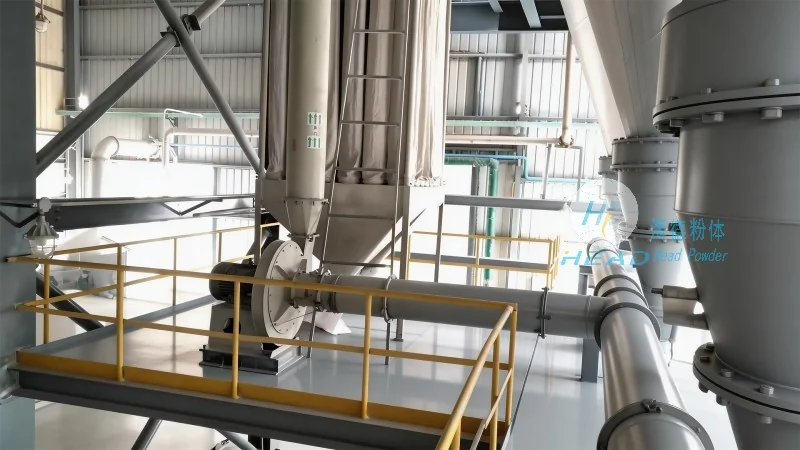
Vacuum Pneumatic Conveying for Metal Silicon: Principles and Benefits
Vacuum pneumatic conveying, also known as suction conveying, utilizes a negative pressure environment to draw material from a source to a destination. In the context of metal silicon, this method is particularly effective for handling fine powders or granules that require gentle handling to prevent degradation or agglomeration. The system operates by creating a vacuum in the conveying line, which pulls material through the pipeline using a fan or blower. Key advantages of vacuum conveying include its ability to handle materials with high moisture content, its suitability for long-distance transport, and its minimal impact on material quality. For metal silicon, which is often sensitive to air exposure, vacuum conveying helps maintain its purity and prevent oxidation, ensuring that the final product meets stringent quality standards. Additionally, this method is ideal for applications where the material source is elevated or where space constraints limit the use of other conveying systems.
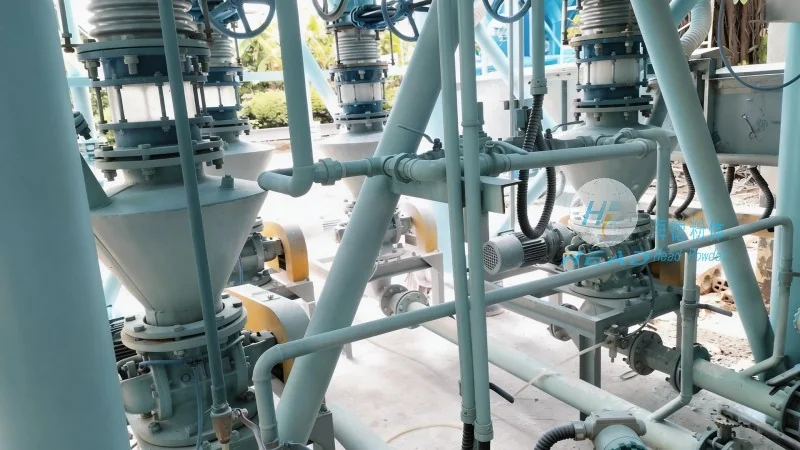
Positive Pressure Pneumatic Conveying for Metal Silicon: High-Pressure Solutions
Positive pressure pneumatic conveying, or pressure conveying, employs a positive pressure environment to push material through a pipeline. Unlike vacuum systems, which rely on suction, pressure systems use a blower or compressor to generate the necessary force. This method is particularly well-suited for metal silicon applications that involve abrasive or high-density materials, as it can handle larger particle sizes and higher material loads. Positive pressure conveying offers several benefits, including faster material transport, reduced system complexity, and improved control over the conveying process. For metal silicon, which may require high-velocity transport to maintain flow, pressure systems provide the necessary power to ensure consistent performance. However, it is important to note that pressure conveying may generate more noise and require more robust equipment to handle the higher pressures involved. The choice between vacuum and positive pressure systems often depends on the specific characteristics of the metal silicon being handled, including its particle size, moisture content, and the distance it needs to travel.
Real-World Applications and Case Studies
HeadPowder has successfully implemented both vacuum and positive pressure pneumatic conveying systems for metal silicon in various industrial settings. For example, in a semiconductor manufacturing facility, a vacuum conveying system was used to transport fine metal silicon powders from a storage silo to a processing line, ensuring minimal contamination and maintaining the material’s purity. In another application, a positive pressure system was employed to convey larger metal silicon granules from a production line to a packaging unit, achieving high throughput and efficient material handling. These case studies highlight the adaptability of pneumatic conveying technologies to meet the diverse needs of metal silicon processing, whether the goal is to maintain product quality, increase efficiency, or reduce operational costs.
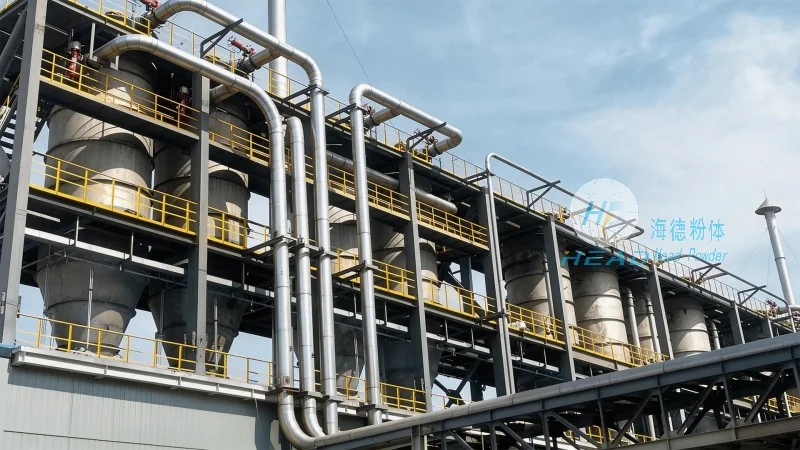
Conclusion: Choosing the Right Pneumatic Conveying Solution for Metal Silicon
Both vacuum and positive pressure pneumatic conveying methods offer valuable solutions for metal silicon handling, each with its own set of advantages and considerations. Vacuum conveying excels in applications requiring gentle material handling and long-distance transport, while positive pressure systems are better suited for high-volume, high-speed applications involving larger particle sizes. The choice ultimately depends on the specific requirements of the metal silicon being processed, including its physical properties, the distance it needs to travel, and the desired level of quality control. HeadPowder, with its expertise in pneumatic conveying systems, provides tailored solutions that address these factors, ensuring that clients can select the most appropriate technology for their metal silicon handling needs. By leveraging the technical knowledge and experience of HeadPowder, industries can optimize their material transport processes, improve operational efficiency, and maintain the high standards required for metal silicon applications.