

Plastic Pellet Pneumatic Conveying Technology: In-Depth Analysis of Negative Pressure and Positive P
Shandong HeadPowder Engineering Co., Ltd. (headpowder), a professional manufacturer based in Shandong, China, specializes in the design and implementation of pneumatic conveying systems tailored for plastic pellet handling. With extensive experience in the material handling industry, the company provides efficient and reliable solutions that meet the specific needs of plastic processing facilities.
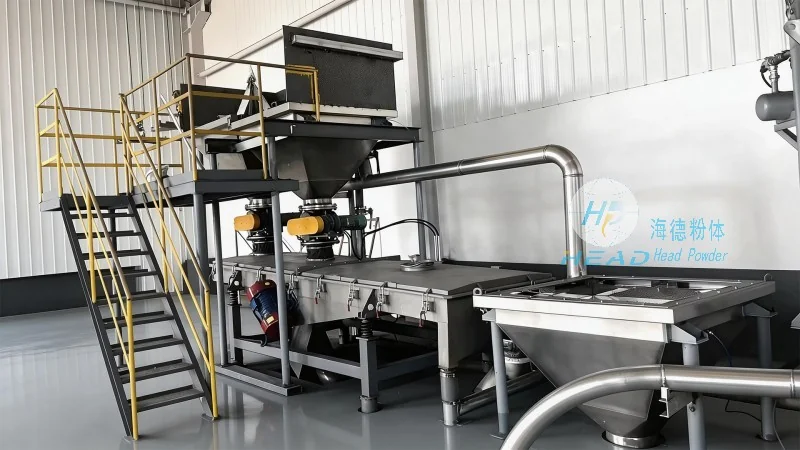
Pneumatic Conveying: An Overview
Pneumatic conveying is a critical technology for transporting plastic pellets, offering advantages such as dust-free operation, high speed, and flexibility. This method involves moving material through a pipeline using air pressure or vacuum. Two primary types of pneumatic conveying systems are widely used: negative pressure (suction) and positive pressure (blowing) systems. Each type has distinct characteristics and applications, making the choice between them crucial for optimizing material handling processes.
Negative Pressure (Suction) Pneumatic Conveying
Negative pressure conveying systems operate by creating a vacuum in the conveying line, which draws plastic pellets from the source (such as a hopper or storage silo) to the destination (e.g., a production line or processing unit). This method is ideal for applications that require gentle material handling, minimal product degradation, and low maintenance. The system typically includes a suction fan, a material hopper, and a filter to ensure clean air return to the environment. For plastic pellets, negative pressure is particularly suitable for transferring materials over short to medium distances, where the risk of product contamination is a concern. The gentle suction action minimizes the risk of pellet breakage or damage, preserving the integrity of the material.
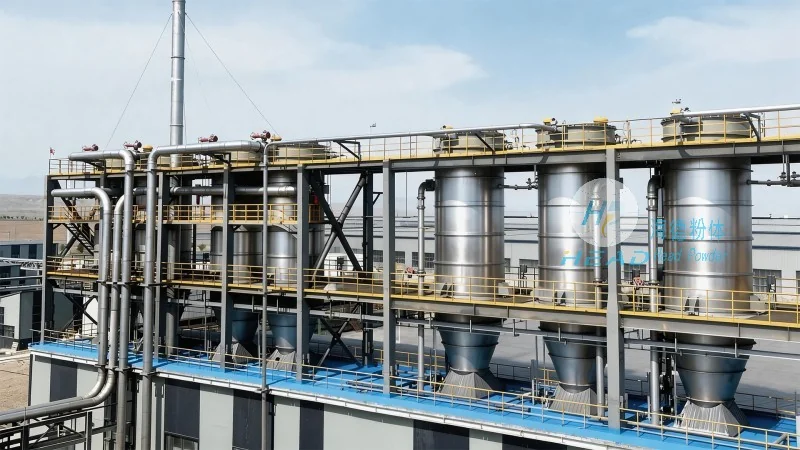
Positive Pressure (Blowing) Pneumatic Conveying
Positive pressure conveying systems, in contrast, use a blower to force air and plastic pellets through the pipeline. This approach is more suitable for longer distances and higher material loads. The positive pressure system is robust and can handle abrasive or sticky materials, making it a preferred choice for industrial-scale operations. The key components include a blower, a material feeder, and a discharge unit. In plastic pellet applications, positive pressure is often used in manufacturing plants where high throughput is required, such as in polymer processing and compounding. The system can handle large volumes of material efficiently, ensuring that production lines operate continuously without interruptions. The forced air flow provides consistent material movement, reducing the risk of blockages or material buildup in the pipeline.
Comparative Analysis and Application Considerations
The choice between negative and positive pressure systems depends on several factors, including the distance of material transport, the volume of material to be conveyed, and the specific requirements of the plastic processing plant. Negative pressure systems are generally more cost-effective for shorter distances and lower material volumes, as they require less powerful equipment and simpler installation. Positive pressure systems, on the other hand, offer higher efficiency for larger-scale operations, with higher capacity and better control over material flow. Both systems are designed to maintain product integrity, ensuring that plastic pellets remain free from dust, moisture, and contamination during the conveying process. The advanced technology used in these systems, such as variable speed drives and intelligent control panels, allows for precise regulation of air flow and material movement, optimizing performance and reducing energy consumption.
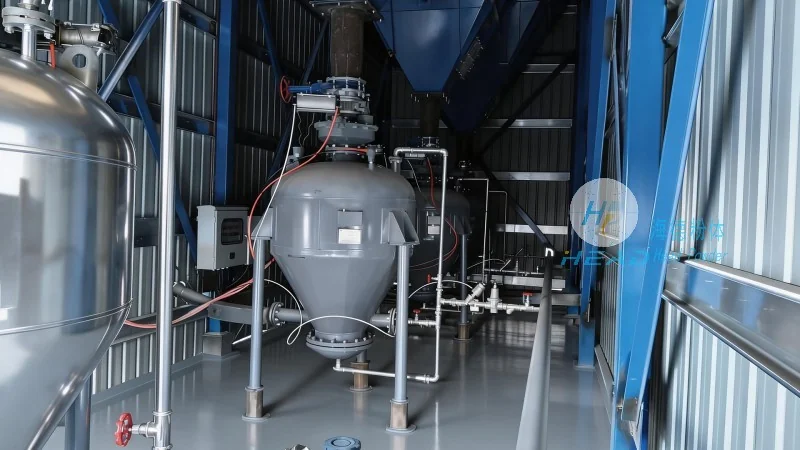
Practical Applications and Case Studies
In practical applications, negative pressure conveying is commonly used in small to medium-sized plastic processing facilities for transferring raw materials from storage silos to production lines. The system’s gentle handling minimizes the risk of pellet breakage, which is crucial for maintaining product quality. Positive pressure systems are often employed in large-scale polymer compounding plants, where high throughput and consistent material flow are essential. These systems can handle large volumes of plastic pellets, ensuring that production lines operate continuously without interruptions. The use of advanced filtration and air cleaning systems in both types of equipment ensures that the conveyed material remains clean and free from contaminants, which is vital for meeting industry standards and regulatory requirements.
Technical Advantages and Selection Guidelines
When selecting a pneumatic conveying system for plastic pellets, it is essential to consider the specific operational needs and constraints of the facility. Negative pressure systems offer advantages such as lower initial cost and easier installation for shorter distances, while positive pressure systems provide higher capacity and better control for longer distances. The choice should also take into account the type of plastic pellets being conveyed, as some materials may be more sensitive to pressure or handling. Shandong HeadPowder Engineering Co., Ltd. provides customized solutions tailored to these requirements, ensuring that clients receive the most suitable system for their application. The company’s expertise in material handling and pneumatic technology allows for the design of efficient, reliable, and cost-effective systems that meet the highest standards of performance and safety. By leveraging advanced engineering and material science, the company ensures that its pneumatic conveying systems deliver optimal results for plastic pellet transportation, supporting the efficiency and productivity of modern plastic processing operations.