

[Foam Particle Pneumatic Conveying Technology: In-Depth Analysis of Vacuum and Positive Pressure Con
Foam particle pneumatic conveying technology represents a sophisticated solution for the efficient and reliable transport of bulk materials, particularly in industries where material handling demands precision and minimal degradation. This technology leverages the principles of air movement to move particles through a system, offering advantages over traditional methods such as reduced equipment wear, lower maintenance requirements, and enhanced process control. The two primary modes of operation—vacuum and positive pressure pneumatic conveying—each present unique characteristics and applications, making them suitable for different operational scenarios and material types.
Vacuum Pneumatic Conveying: Principles and Operational Mechanics
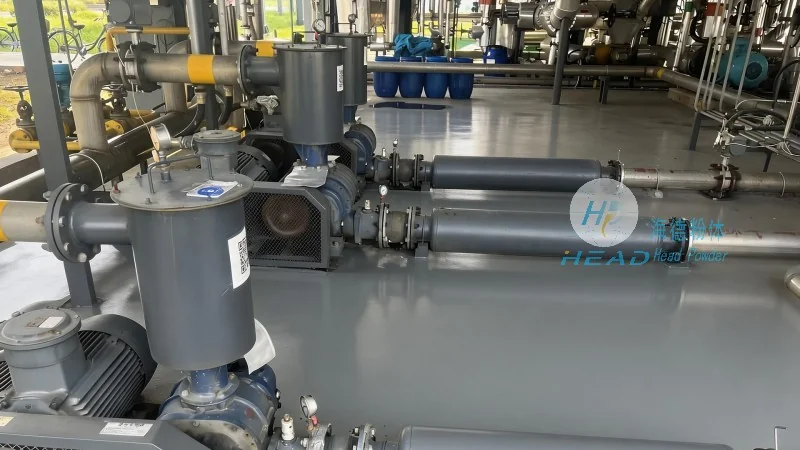
Vacuum pneumatic conveying systems operate by creating a negative pressure within the conveying line, which draws material from the source into the system. This mode is particularly effective for conveying materials over moderate distances, typically up to several hundred meters, and is well-suited for applications where the material is to be collected from multiple points or where the source is at a lower elevation than the destination. The process begins with the material being fed into a hopper or feeder, where it is then drawn into the conveying line by the vacuum created by a vacuum pump or fan. The air and material mixture travels through the pipeline, with the vacuum maintaining the flow and preventing material settling. Key components of a vacuum system include the vacuum source, material feeders, conveying lines, and a collection hopper at the receiving end. The design of the system must consider factors such as the material's bulk density, particle size, and moisture content, as these parameters influence the required vacuum level and system efficiency. For instance, materials with high moisture content may require additional drying steps or specialized vacuum pumps to ensure consistent conveying performance. The vacuum mode is often preferred for applications involving fine powders or granules that are prone to caking or agglomeration, as the negative pressure helps maintain particle separation and prevents blockages in the pipeline. Additionally, vacuum systems are advantageous in environments where dust control is critical, as the enclosed pipeline reduces the risk of material spillage and airborne dust emissions.
Positive Pressure Pneumatic Conveying: Advantages and System Design
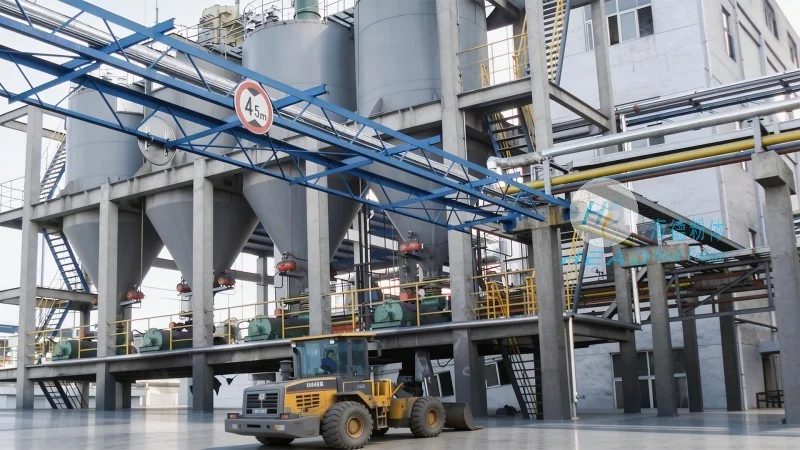
Positive pressure pneumatic conveying, in contrast, operates by pressurizing the conveying line with air or gas, forcing material from the source to the destination. This mode is typically used for longer conveying distances, often exceeding several hundred meters, and is suitable for applications where the material needs to be transported to a higher elevation or where the source is at a higher level than the destination. The system consists of a positive pressure source (such as a blower or compressor), material feeders, conveying lines, and a discharge hopper at the receiving end. The material is fed into the system, and the pressurized air pushes the material through the pipeline, maintaining a consistent flow rate. Positive pressure systems are generally more robust and capable of handling a wider range of materials, including abrasive or corrosive substances, due to the higher air pressure and the ability to use larger diameter pipelines. The choice of positive pressure mode often depends on the specific operational constraints, such as the need for high material throughput or the presence of obstacles in the conveying path. For example, in industrial settings where large volumes of bulk materials are processed, positive pressure systems can handle higher flow rates and maintain consistent performance over extended periods. The design of positive pressure systems must account for pressure drop along the pipeline, which increases with distance and material characteristics. Proper sizing of the air source and pipeline diameter is crucial to ensure that sufficient pressure is maintained throughout the conveying process, preventing material backflow or system inefficiencies. Additionally, positive pressure systems may incorporate features such as air filtration and material separation to improve overall performance and reduce maintenance costs.
HeadPowder Engineering: Expertise in Pneumatic Conveying Solutions
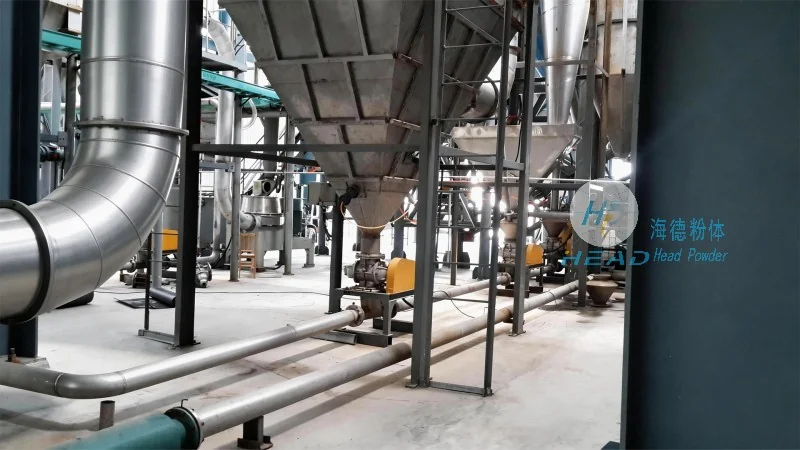
Shandong HeadPowder Engineering Co., Ltd. is a leading provider of advanced pneumatic conveying technologies, specializing in the design, manufacturing, and implementation of foam particle conveying systems. With a strong focus on innovation and customer-centric solutions, HeadPowder has established itself as a trusted partner for industries requiring reliable and efficient material handling solutions. The company's expertise lies in the integration of vacuum and positive pressure technologies, allowing for customized systems tailored to specific operational needs. HeadPowder's team of engineers and technicians possesses extensive knowledge in material science and pneumatic system design, enabling them to address complex conveying challenges and optimize system performance. The company's approach to project execution involves thorough consultation with clients to understand their unique requirements, followed by the development of a comprehensive system design that incorporates the most suitable conveying mode and components. This collaborative process ensures that the final solution meets all performance, safety, and regulatory standards. HeadPowder's commitment to quality is evident in its adherence to international standards and the use of high-quality materials in system construction. The company's facilities are equipped with state-of-the-art equipment for testing and validation, ensuring that each system is thoroughly evaluated before delivery. This rigorous quality control process minimizes the risk of system failures and ensures long-term reliability. Furthermore, HeadPowder provides comprehensive after-sales support, including maintenance services, technical training, and system upgrades, to support clients throughout the lifecycle of their conveying systems. The company's dedication to customer satisfaction has resulted in a strong reputation in the industry, with numerous successful projects completed across various sectors, including chemical, food, and pharmaceutical industries. HeadPowder's solutions are designed to enhance operational efficiency, reduce downtime, and improve overall productivity, making them a preferred choice for businesses seeking advanced material handling solutions.
Applications and Case Studies in Foam Particle Conveying
The versatility of foam particle pneumatic conveying technology is demonstrated through its application in diverse industries. In the chemical industry, for example, the technology is used to transport fine powders such as pigments, catalysts, and reagents, which are often sensitive to moisture and temperature. The vacuum mode is particularly advantageous in these applications, as it minimizes exposure to air and maintains the material's integrity. HeadPowder has successfully implemented vacuum conveying systems for chemical manufacturers, resulting in improved product quality and reduced material loss. Similarly, in the food industry, the technology is employed to handle ingredients such as flour, sugar, and spices, where hygiene and contamination control are paramount. Positive pressure systems are often preferred in food processing due to their ability to maintain a sterile environment and prevent cross-contamination. HeadPowder's positive pressure solutions have been used in food processing plants, enhancing production efficiency and ensuring compliance with food safety regulations. The pharmaceutical industry also benefits from pneumatic conveying technology, particularly for the transport of active pharmaceutical ingredients (APIs) and excipients. The systems are designed to meet stringent regulatory requirements, including GMP (Good Manufacturing Practice) standards, ensuring that materials are handled in a controlled and hygienic manner. HeadPowder's expertise in customizing conveying systems has enabled the company to serve pharmaceutical companies with tailored solutions that meet their specific needs. Additionally, the technology is applied in the agricultural sector for the transport of grains, seeds, and other bulk agricultural products. The ability to handle large volumes and varying material characteristics makes pneumatic conveying an ideal choice for agricultural processing facilities. HeadPowder's systems have been implemented in agricultural processing plants, improving material handling efficiency and reducing labor costs. These case studies highlight the broad applicability of foam particle pneumatic conveying technology and the effectiveness of HeadPowder's solutions in addressing the unique challenges of different industries.
Conclusion: The Future of Pneumatic Conveying in Material Handling
Foam particle pneumatic conveying technology continues to evolve, driven by advancements in materials science, control systems, and energy efficiency. The integration of vacuum and positive pressure modes offers flexibility and adaptability, allowing for customized solutions that meet the diverse needs of modern industries. As industries increasingly prioritize efficiency, sustainability, and product quality, pneumatic conveying systems are becoming an essential component of material handling operations. HeadPowder Engineering remains at the forefront of this technological advancement, providing innovative solutions that enhance operational performance and support sustainable business practices. With its commitment to quality, expertise, and customer satisfaction, HeadPowder is well-positioned to continue leading the way in pneumatic conveying technology, delivering reliable and efficient solutions for the future of material handling.