

Stone Powder and Lime Pneumatic Conveying Technology: In-Depth Analysis of Negative and Positive Pre
Efficient material handling is a critical aspect of industrial operations, particularly when dealing with bulk materials like stone powder and lime. The choice of pneumatic conveying systems plays a pivotal role in ensuring smooth, reliable, and cost-effective transportation of these materials. This article delves into the technical nuances of negative and positive pressure pneumatic conveying systems, exploring their applications and benefits for industries that rely on stone powder and lime processing.
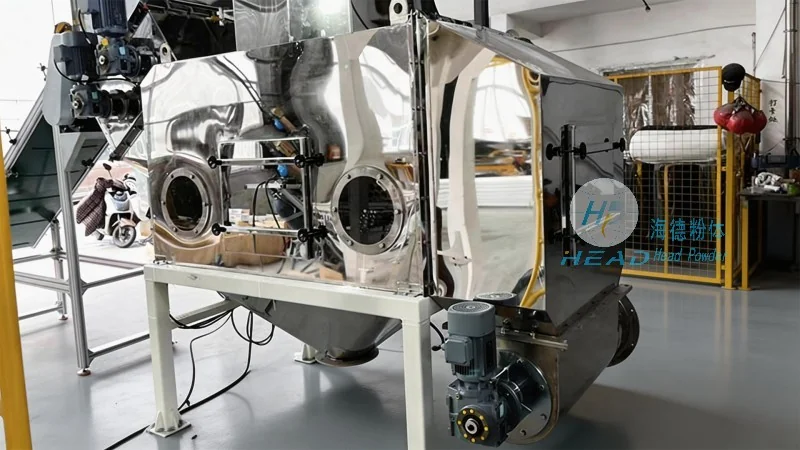
Introduction to HeadPowder and Pneumatic Conveying Solutions
HeadPowder, a leading provider of engineering solutions, specializes in the design, manufacturing, and implementation of advanced pneumatic conveying systems. With a strong presence in Shandong, China, the company has established itself as a trusted partner for businesses seeking to optimize their material handling processes. The company’s expertise lies in tailoring systems to meet the specific requirements of stone powder and lime applications, ensuring durability, efficiency, and compliance with industry standards.
Negative Pressure Pneumatic Conveying: Principles and Applications
Negative pressure, or suction, pneumatic conveying systems operate by creating a low-pressure environment at the material inlet, drawing the material into the conveying line. This method is particularly effective for handling materials that are prone to dust generation or require gentle handling. The system typically consists of a suction hopper, a filter, and a blower or vacuum pump. The key advantage of negative pressure systems is their ability to handle materials with high moisture content or those that are sensitive to pressure changes, as the material is drawn rather than pushed through the system.
For stone powder and lime, negative pressure systems are ideal for applications such as transporting raw materials from storage silos to processing units or for conveying materials over short to medium distances. The gentle handling minimizes product degradation, making it suitable for materials that require preservation of their physical properties. Additionally, the system’s design allows for easy integration with existing infrastructure, reducing installation costs and downtime.
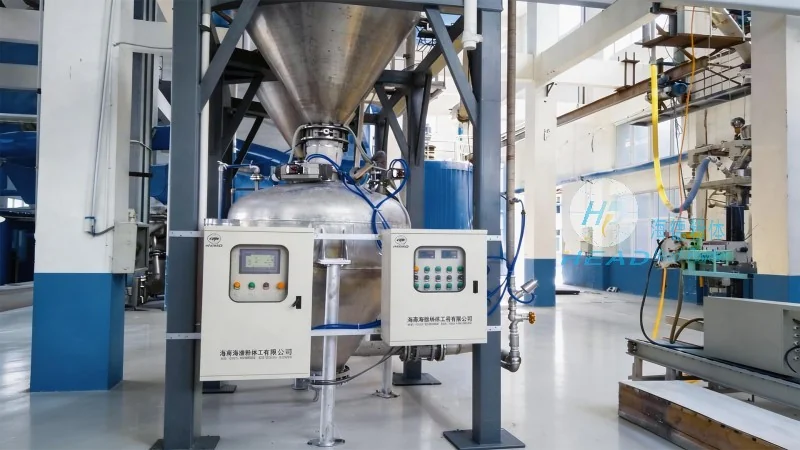
Positive Pressure Pneumatic Conveying: Advantages and Use Cases
Positive pressure, or pressure, pneumatic conveying systems generate high-pressure air that pushes the material through the conveying line. This method is more suitable for materials that are abrasive or have a high density, as the high pressure ensures reliable transport. The system includes a pressure hopper, a filter, and a positive displacement blower or compressor. The primary benefit of positive pressure systems is their ability to handle a wide range of materials, including those with high moisture content or those that are prone to caking, as the material is forced through the system rather than drawn.
In the context of stone powder and lime, positive pressure systems are commonly used for long-distance transportation or for conveying materials that require high throughput. The high pressure ensures consistent flow rates, reducing the risk of blockages and improving overall system efficiency. Furthermore, positive pressure systems can handle materials with varying particle sizes, making them versatile for different processing stages.
Comparative Analysis: Negative vs. Positive Pressure Systems
When selecting a pneumatic conveying system for stone powder and lime, it is essential to consider the specific characteristics of the material and the operational requirements. Negative pressure systems are generally more suitable for short to medium distances and for materials that require gentle handling, while positive pressure systems are better for long distances and for materials that are abrasive or have high density. The choice also depends on factors such as the material’s moisture content, particle size distribution, and the need for dust control.
HeadPowder’s engineers conduct thorough assessments to determine the most appropriate system for each client. By analyzing factors such as material properties, distance, and throughput requirements, they design customized solutions that optimize performance and minimize operational costs. The company’s expertise in both negative and positive pressure systems allows it to provide comprehensive recommendations tailored to the unique needs of each project.
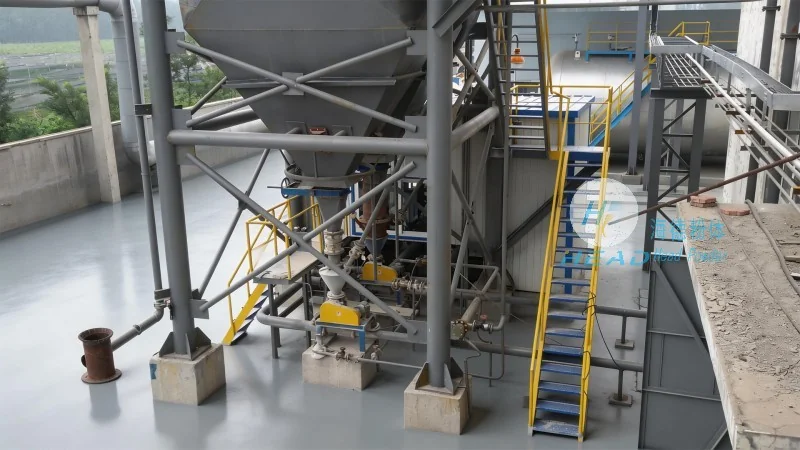
Applications in Industrial Processing
The applications of pneumatic conveying systems for stone powder and lime span across various industries, including construction, agriculture, and chemical processing. In the construction industry, these systems are used to transport raw materials to concrete mixing plants or to supply lime for mortar production. The efficiency of the systems ensures that materials are delivered to the processing units in a timely manner, improving overall production efficiency.
In the agricultural sector, pneumatic conveying is utilized for transporting lime for soil conditioning or for handling stone powder as a component in animal feed. The systems help in maintaining consistent material quality and reducing the risk of contamination. For chemical processing, the systems are used to convey lime for flue gas desulfurization or for processing stone powder into other products. The ability to handle materials with varying properties makes these systems versatile for different chemical processes.
Conclusion and Future Outlook
HeadPowder’s expertise in negative and positive pressure pneumatic conveying systems provides industries with reliable and efficient solutions for handling stone powder and lime. By understanding the technical nuances of each system and tailoring solutions to specific requirements, the company ensures that clients achieve optimal performance, reduced costs, and improved safety. As industrial demands evolve, the company continues to innovate, developing advanced systems that meet the changing needs of the market while maintaining its commitment to quality and customer satisfaction.