

Calcium Oxide Powder Pneumatic Conveying Technology: In-Depth Analysis of Negative Pressure and Posi
HeadPowder, a leading engineering company based in Shandong, China, specializes in advanced material handling solutions, particularly in the field of calcium oxide powder pneumatic conveying. This article provides a comprehensive exploration of the key technologies involved in transporting calcium oxide powder, focusing on both negative pressure and positive pressure systems, and their practical applications in industrial settings.
Understanding Pneumatic Conveying Systems for Calcium Oxide Powder
Pneumatic conveying is a critical method for transporting bulk materials like calcium oxide powder, which is widely used in industries such as construction, chemical processing, and environmental remediation. The primary goal of these systems is to move the powder efficiently from a source to a destination while maintaining product integrity and minimizing operational costs. Two main approaches dominate the industry: negative pressure (or vacuum) systems and positive pressure systems. Each has distinct characteristics, advantages, and suitable applications.
Negative Pressure (Vacuum) Pneumatic Conveying Systems
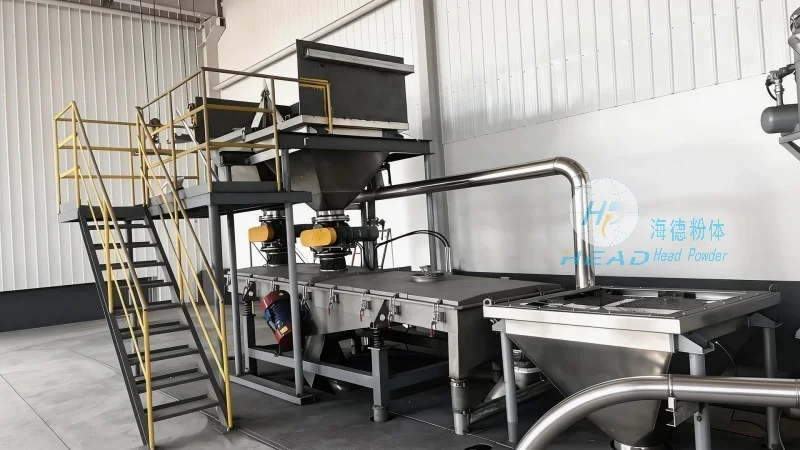
Negative pressure systems operate by creating a vacuum at the receiving end of the conveying line. This vacuum draws the calcium oxide powder from the source, typically a hopper or storage silo, into the pipeline. The system uses a fan or vacuum pump to generate the negative pressure, and the material is carried by the airflow within the pipe. A key advantage of negative pressure systems is their ability to handle fine powders without causing excessive pressure drops or particle degradation. They are particularly effective for conveying materials from multiple sources or over long distances, as the vacuum can be maintained along the entire route. However, these systems require careful design to prevent dust emissions and ensure proper filtration, as the vacuum can pull air and contaminants into the system.
Positive Pressure Pneumatic Conveying Systems
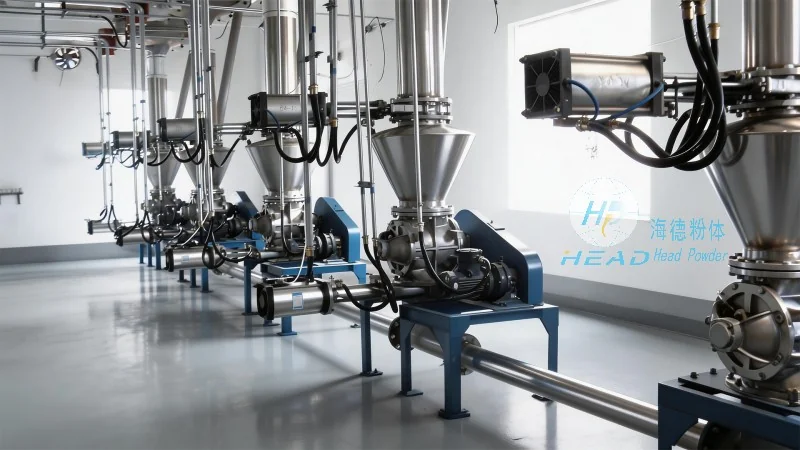
Positive pressure systems, on the other hand, use a blower or compressor to force air through the conveying line, carrying the calcium oxide powder from the source to the destination. The pressure is maintained throughout the system, ensuring that the material is pushed through the pipeline. This approach is generally more suitable for abrasive or corrosive powders, as the positive pressure helps to prevent material buildup and reduces the risk of clogging. Positive pressure systems are also advantageous for short to medium-distance conveying, as they can handle higher material loads and are less prone to dust leakage compared to negative pressure systems. However, they may require more robust equipment to withstand the higher pressures and can be less efficient for very fine powders due to the increased risk of particle degradation from high-velocity air.
Key Considerations for System Design and Application
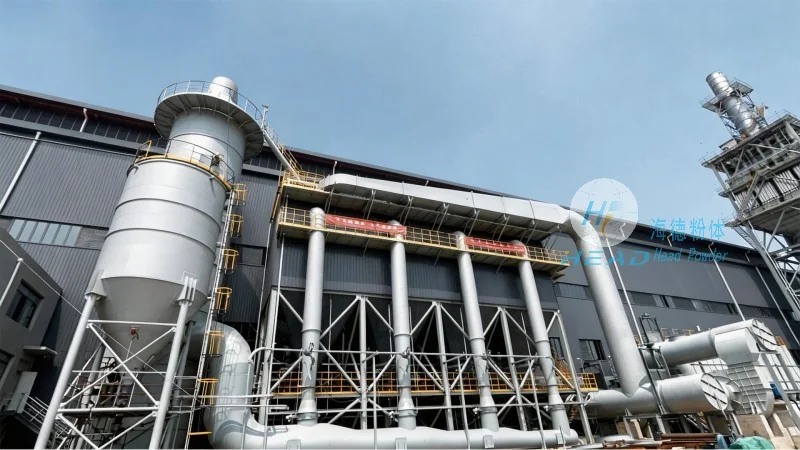
When selecting between negative and positive pressure systems for calcium oxide powder, several factors must be considered. The first is the distance and layout of the conveying route. For long-distance or multi-point delivery, negative pressure systems often offer better efficiency and lower energy consumption. For short-distance or high-volume applications, positive pressure systems may be more cost-effective. Another critical factor is the properties of the calcium oxide powder itself. Fine powders with high moisture content or abrasive characteristics may require positive pressure systems to prevent degradation or clogging. Conversely, powders that are prone to agglomeration or require gentle handling are better suited for negative pressure systems, as the lower air velocities reduce the risk of particle breakage.
Practical Applications and Case Studies
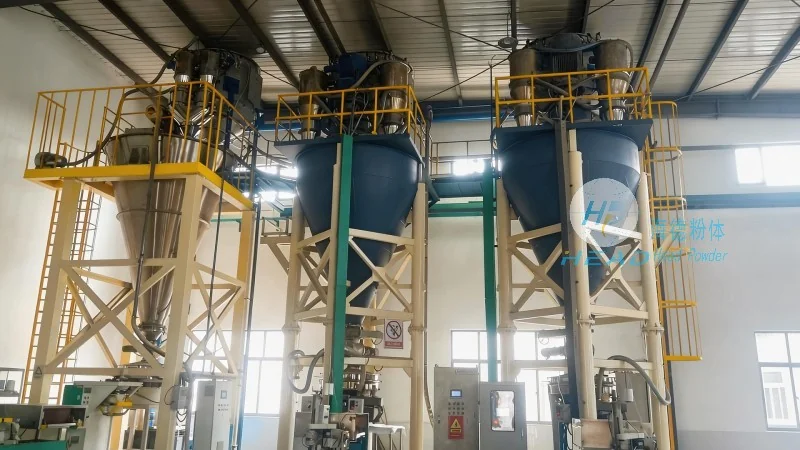
Calcium oxide powder, also known as quicklime, is widely used in various industrial processes. Its pneumatic conveying systems are essential for delivering the powder to reactors, storage tanks, or processing units. For example, in the chemical industry, calcium oxide is used in the production of calcium carbide and other chemicals. The negative pressure system can be employed to transport the powder from a storage silo to a reactor, ensuring a continuous and controlled feed. In the construction industry, quicklime is used in cement production and soil stabilization. Positive pressure systems are often used to convey the powder from a production plant to construction sites, as they can handle higher material volumes and maintain consistent flow rates. Additionally, in environmental applications, calcium oxide is used for flue gas desulfurization and waste treatment. The choice of system depends on the specific requirements of the application, such as the need for dust control, material handling efficiency, and operational flexibility.
Conclusion
HeadPowder, with its expertise in engineering and material handling, provides tailored solutions for calcium oxide powder pneumatic conveying. By understanding the differences between negative and positive pressure systems and their applications, industries can optimize their material transport processes, reduce costs, and enhance product quality. Whether using negative pressure for long-distance, fine powder handling or positive pressure for high-volume, short-distance conveying, the right system can significantly improve operational efficiency and safety. As a trusted partner in the industry, HeadPowder continues to innovate and deliver reliable solutions for the transportation of calcium oxide powder, supporting the growth and success of its clients in various sectors.