

Limestone Powder Pneumatic Conveying Technology: In-Depth Analysis of Vacuum and Positive Pressure C
Shandong HeadPowder Engineering Co., Ltd. specializes in providing advanced solutions for limestone powder pneumatic conveying systems. As a leading manufacturer in China, the company focuses on delivering efficient and reliable equipment tailored to the unique demands of limestone powder handling in various industrial applications.
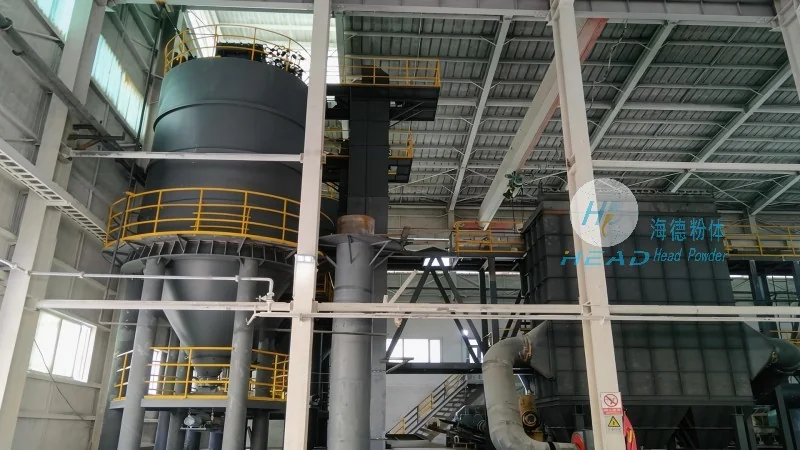
Introduction to Limestone Powder Pneumatic Conveying
Limestone powder, a crucial raw material in industries such as cement, chemical production, and environmental remediation, requires specialized handling due to its fine particle size and potential for dust generation. Pneumatic conveying offers an effective method to transport limestone powder from storage to processing units, minimizing manual labor and enhancing operational safety. The two primary methods—vacuum and positive pressure pneumatic conveying—each present distinct advantages and applications, making it essential to understand their operational principles and suitability for specific scenarios.
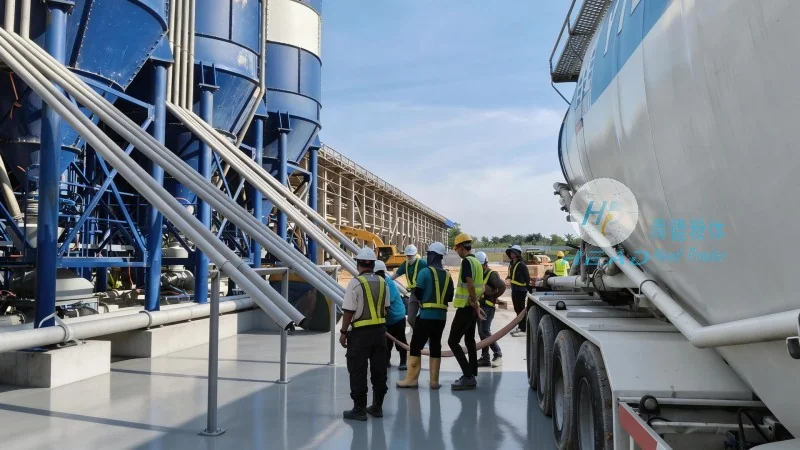
Vacuum Pneumatic Conveying Technology
Vacuum pneumatic conveying systems operate by creating a low-pressure environment at the receiving end, drawing material from a source (like a silo or hopper) into a conveying line using a vacuum pump. This method is particularly effective for short to medium-distance transport and is well-suited for applications where the material is to be delivered to a single destination. The system typically involves a collection hopper, a vacuum pump, and a conveying pipe, with the vacuum pump maintaining the pressure differential necessary for material movement. For limestone powder, vacuum conveying is advantageous in scenarios where the material is to be transported from a storage silo to a processing plant, as it allows for gentle handling and reduces the risk of particle degradation. The technology is also beneficial in environments where dust control is critical, as the enclosed system minimizes emissions during transport.
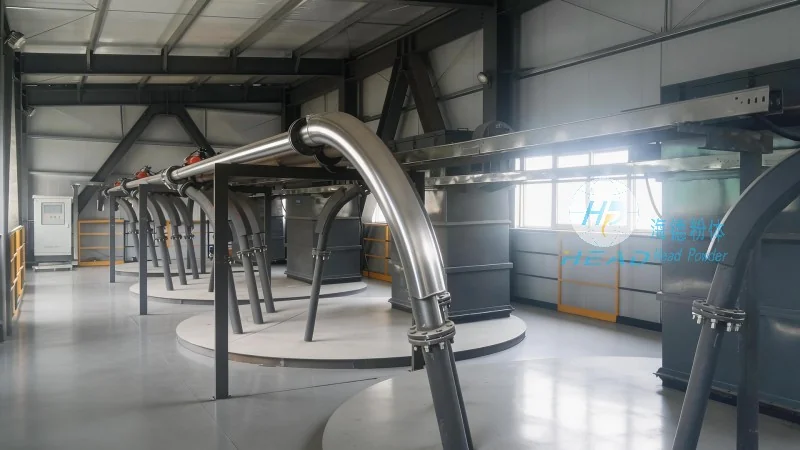
Positive Pressure Pneumatic Conveying Technology
Positive pressure pneumatic conveying, in contrast, generates high-pressure air at the discharge end of the system, pushing material through the conveying line. This method is ideal for longer distances and multiple delivery points, as the high-pressure air can overcome greater resistance and distribute material to several destinations from a single source. The system includes a blower, a material feed hopper, and a network of conveying pipes, with the blower maintaining positive pressure throughout the system. For limestone powder, positive pressure conveying is suitable for applications requiring bulk transport over distances of several hundred meters or more, such as delivering limestone from a quarry to a cement plant. This method offers higher throughput and can handle larger quantities of material efficiently, making it a preferred choice for high-volume operations. However, it may require more robust equipment to manage the higher air pressures and potential for increased energy consumption.
Application Scenarios and Technical Considerations
The choice between vacuum and positive pressure pneumatic conveying for limestone powder depends on several factors, including the distance of transport, the number of delivery points, the required material flow rate, and the environmental constraints of the operation. Short-distance, single-destination applications often favor vacuum conveying due to its simplicity and lower energy requirements. Conversely, long-distance or multi-point delivery scenarios typically benefit from positive pressure systems, which offer greater flexibility and higher capacity. Additionally, the particle size and moisture content of the limestone powder influence the choice of system; finer particles may require more gentle handling, which vacuum systems can provide, while larger or coarser particles may be better suited for positive pressure systems that can handle higher air velocities without causing excessive wear.
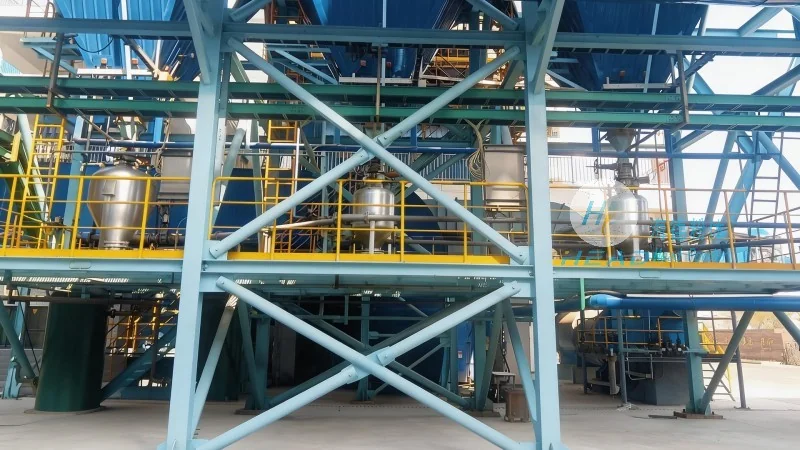
Advantages and Practical Recommendations
Both vacuum and positive pressure pneumatic conveying technologies offer significant advantages in limestone powder handling. Vacuum systems excel in reducing dust emissions and providing gentle material transport, which is critical for maintaining product quality and ensuring compliance with environmental regulations. Positive pressure systems, on the other hand, offer higher throughput and flexibility for multi-point delivery, making them suitable for large-scale industrial operations. When selecting a system, it is essential to consider the specific operational requirements, including the distance of transport, the volume of material to be handled, and the available space for equipment installation. Consulting with a specialized engineering firm, such as Shandong HeadPowder Engineering Co., Ltd., can help determine the most appropriate technology and system configuration to meet these needs efficiently and cost-effectively.