

Types, Features, and Applications of Feather Pneumatic Conveying Systems
Feather pneumatic conveying systems are specialized equipment designed to transport feathers efficiently and safely. These systems utilize air pressure or vacuum to move feathers from one location to another, offering a non-contact method that minimizes damage to the material. As a leading manufacturer in the field, Shandong HeadPowder Engineering Co., Ltd., commonly known as HeadPowder, has been at the forefront of developing advanced solutions for feather handling and processing. With a strong presence in China, particularly in Shandong province, the company combines technical expertise with practical application knowledge to deliver reliable pneumatic conveying solutions tailored to the needs of the feather industry.
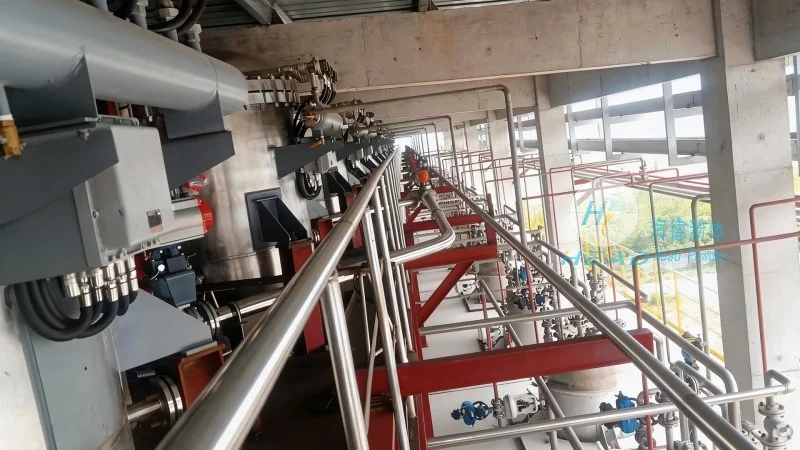
Company Overview: Shandong HeadPowder Engineering Co., Ltd.
HeadPowder, the company behind these advanced feather pneumatic conveying systems, is headquartered in Shandong, China. The company specializes in engineering and manufacturing equipment for material handling, with a particular focus on pneumatic conveying technologies. By leveraging years of experience and continuous innovation, HeadPowder has established itself as a trusted provider of solutions that enhance efficiency and safety in feather processing operations. The company's commitment to quality and customer satisfaction is reflected in its comprehensive product line and dedicated support services.
Types of Feather Pneumatic Conveying Systems
Feather pneumatic conveying systems can be categorized into two main types based on the method of air movement: suction (or vacuum) systems and pressure systems. Suction systems use a vacuum to draw feathers into the conveying line, making them ideal for applications where the material needs to be collected from multiple points or over a wide area. These systems are often used in processing facilities where feathers are scattered or need to be gathered from various sources. Pressure systems, on the other hand, use compressed air to push feathers through the conveying line, providing higher conveying speeds and the ability to transport materials over longer distances. Both types have their unique advantages and are chosen based on the specific requirements of the feather handling process.
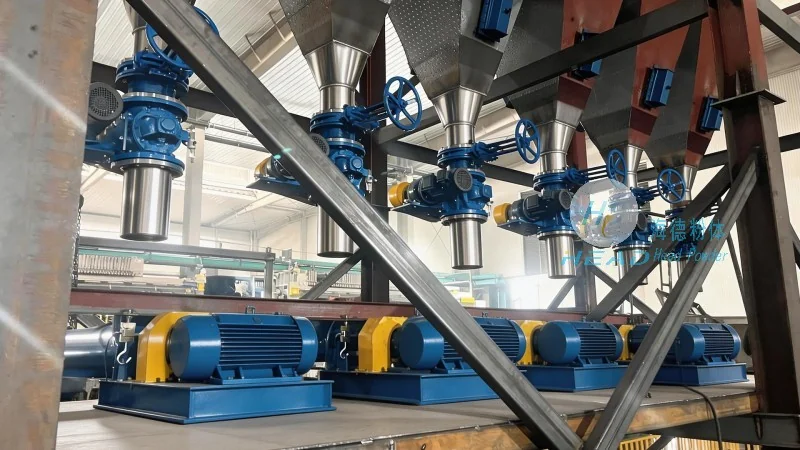
Key Features of Feather Pneumatic Conveying Systems
Feather pneumatic conveying systems from HeadPowder are designed with several key features that enhance their performance and reliability. One of the primary features is the use of flexible hoses or rigid pipes, which allows for easy installation and adaptation to different layouts. The systems are equipped with high-efficiency filters to prevent dust and debris from entering the conveying line, ensuring clean operation and reducing maintenance needs. Additionally, the equipment is constructed from materials that are resistant to corrosion and wear, making it suitable for long-term use in environments where feathers may contain moisture or other contaminants. Another important feature is the inclusion of control systems that allow for precise regulation of air pressure and flow, enabling operators to adjust the conveying rate according to the material's characteristics and processing needs.
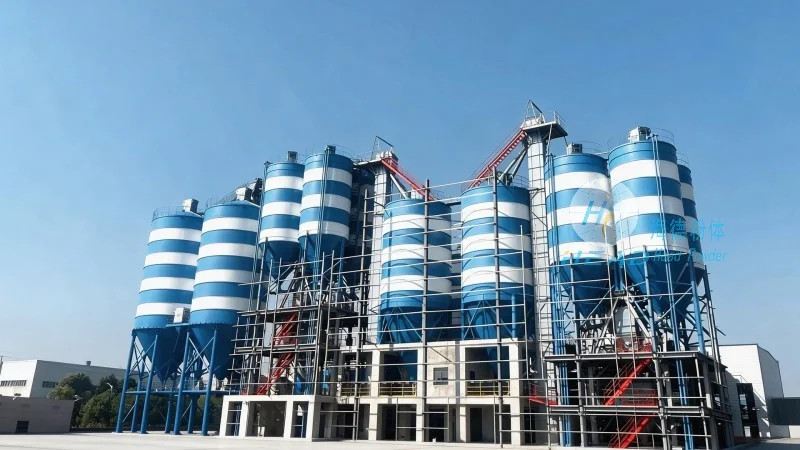
Applications of Feather Pneumatic Conveying Systems
The applications of feather pneumatic conveying systems are diverse and cover various stages of feather processing. In the initial collection phase, these systems are used to gather feathers from farms or processing plants, transporting them to central storage areas. During the cleaning and sorting process, pneumatic conveying helps move feathers through washing and grading equipment, ensuring that only clean and quality feathers proceed to the next stage. In the final processing steps, such as feather down extraction or feather meal production, the systems efficiently transport feathers to processing machinery, where they are further processed into end products. Beyond traditional processing, feather pneumatic conveying can also be used in research and development settings to transport samples for testing and analysis. The versatility of these systems makes them suitable for a wide range of feather handling tasks, from small-scale operations to large industrial facilities.
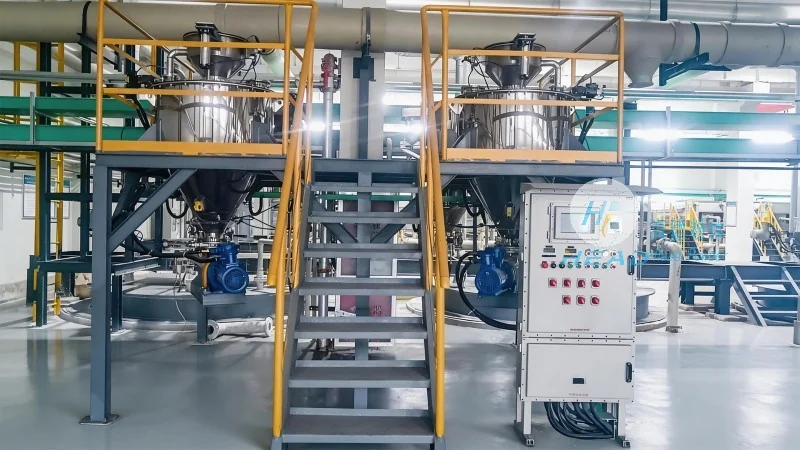
Advantages of Using Feather Pneumatic Conveying Systems
Implementing feather pneumatic conveying systems offers several significant advantages over traditional methods of feather handling. One of the most notable benefits is the reduction in labor costs and manual handling, as the systems automate the transportation process. This not only improves efficiency but also enhances workplace safety by minimizing the risk of injuries associated with manual lifting and moving of feathers. Additionally, pneumatic conveying systems reduce the risk of feather contamination and damage, which is crucial for maintaining the quality of the final products. The systems also provide better control over the conveying process, allowing for consistent material flow and reducing the likelihood of bottlenecks or blockages. Furthermore, the compact design of many pneumatic conveying systems allows for easier integration into existing processing facilities, making them a practical solution for both new and existing operations.
Conclusion
Feather pneumatic conveying systems, as developed by Shandong HeadPowder Engineering Co., Ltd., represent a modern and effective solution for the efficient handling of feathers. By combining advanced engineering with practical application, these systems offer reliable performance and adaptability to meet the diverse needs of the feather industry. Whether used in collection, processing, or research, the systems provide a safe, efficient, and cost-effective method of transporting feathers. With a strong presence in China and a commitment to quality, HeadPowder continues to be a key player in providing innovative pneumatic conveying solutions that enhance the productivity and sustainability of feather processing operations.